
24/7 Customer Support

Free returns

Same-day & Next-day Delivery

Quality Guaranteed

Unlock Your Welcome Offers: FREE Delivery | Up to 80% OFF | Free 30-day JoyPlus trial
Download the APP
A facial exfoliator can help lift surface build-up, improve the feel of uneven texture and make skin look fresher. However, choosing the wrong formula may leave your complexion feeling tight, irritated or more congested.
Three common shopping traps are worth avoiding:
The right facial exfoliator depends on your skin type, preferred format and how much exfoliation your routine already includes.
A facial scrub uses particles such as cellulose, silica, rice powder or other exfoliating materials to polish the surface. Cream-based products are usually massaged onto damp skin and rinsed away.
Look for a smooth, fine-textured formula rather than sharp or irregular particles. Use light pressure and avoid active breakouts, broken skin and the eye area. A scrub can suit shoppers who prefer a straightforward rinse-off step, but it is not necessarily the right choice for daily use.
A chemical exfoliator uses acids or related ingredients to loosen surface build-up without manual scrubbing. The main options include:
Chemical formats include an exfoliating serum, exfoliating toner, peel pads and rinse-off treatments. They can be convenient, but concentration, pH and frequency matter more than the word “acid” on the label.
An exfoliating peel or peeling gel may combine gentle chemical exfoliation with a gommage-style texture that rolls as it is massaged. Cream exfoliators can be more comfortable for shoppers who dislike a watery toner or strong tingling sensation.
Read the ingredient list rather than relying only on phrases such as “pore-cleansing” or “radiance boosting”. For example, a product containing salicylic acid may be more relevant to oily or congested skin, while glycolic or lactic acid may be selected for rough, dull texture.
A higher percentage is not automatically a better match. Intensive products such as a formula combining 30% AHA, BHA, PHA and LHA should generally be treated as occasional treatments, not as a daily facial exfoliator.
Check whether the product is rinse-off or leave-on. A rinse-off scrub, peel or serum has a shorter contact time than a leave-on exfoliating toner or serum.
Start new products gradually, even where the packaging states daily or twice-daily use. Use one exfoliating product at a time and avoid layering it with retinoids or other acid products until you know how your skin responds.
For exfoliator for sensitive skin, consider PHA formulas, low-friction cream textures and ingredients such as glycerin, panthenol, allantoin or sodium hyaluronate. Fragrance, essential oils and denatured alcohol may be relevant considerations if your skin is easily reactive.
For exfoliator for oily skin, salicylic acid, clay or oil-free textures may fit better. Still, over-cleansing can make skin feel uncomfortable, so follow with a suitable moisturiser.
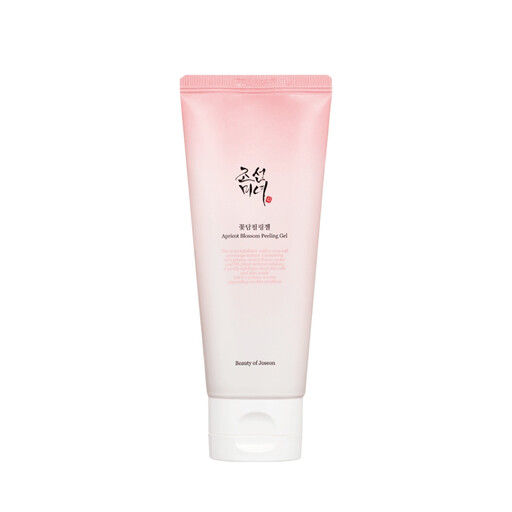
Why This Fits Their Persona: A simple weekly peeling gel is a practical starting point for shoppers who want a rinse-off format without committing to a daily acid routine.
The gommage-style format avoids the need for strong acids or vigorous scrubbing. It is intended for use once or twice weekly.
Contains cellulose and plum flower water; the product is rinsed off after gentle massage.
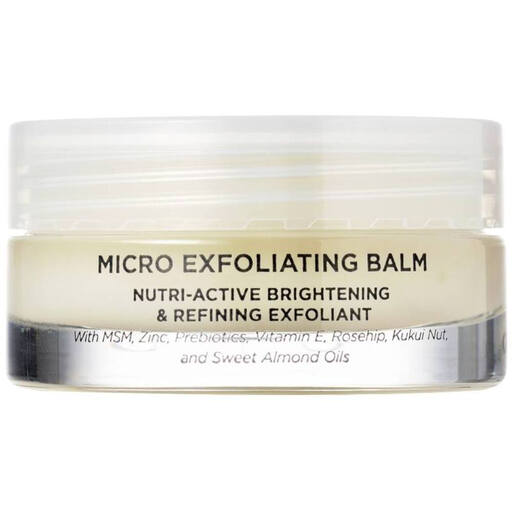
Why This Fits Their Persona: Its balm-to-milk texture suits shoppers who prefer a more nourishing, sensory cleansing step during a measured weekly routine.
It is used two to three times weekly rather than marketed as a compulsory daily scrub, helping limit unnecessary friction.
Uses biodegradable MSM granules, sweet almond oil, shea butter and omegas 3/6/9.
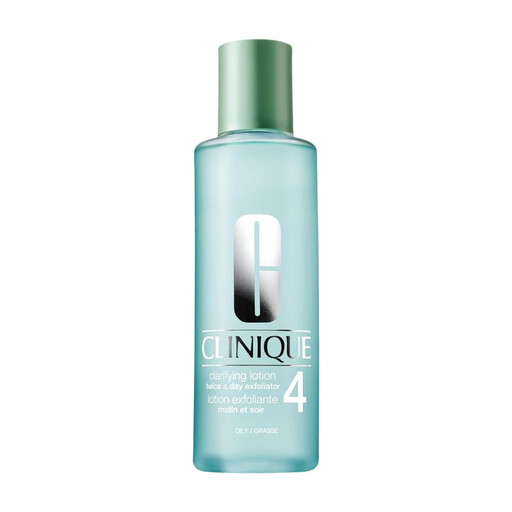
Why This Fits Their Persona: A leave-on exfoliating toner designed for oily skin may suit established routines where shine and pore congestion are regular concerns.
The label clearly identifies salicylic acid and witch hazel, so buyers can assess the formula rather than relying on vague pore-care language.
The 200ml lotion is fragrance-free and intended for use after cleansing with a cotton pad.
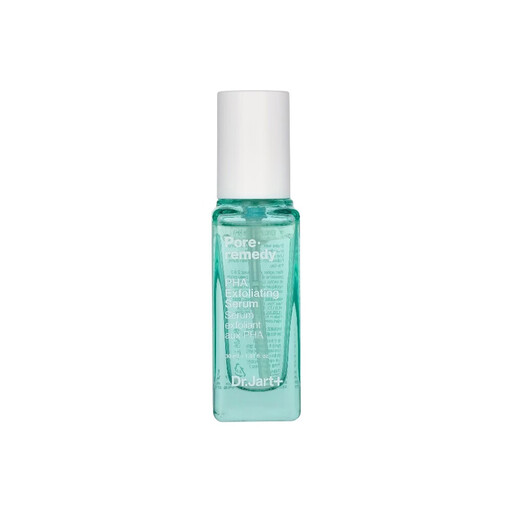
Why This Fits Their Persona: A water-like serum with a stated 7% PHA concentration offers a measured option for shoppers who want chemical exfoliation without a gritty scrub.
PHA is commonly selected for a gentler acid approach, while the directions advise moisturiser and sunscreen after application.
Contains gluconolactone, panthenol and macadamia seed oil; the 30ml serum is applied to clean, dry skin.
We have compiled a complete, real-time list of products that fully satisfy these strict selection criteria and UK safety regulations.
It depends on the formula and your tolerance. A gentle scrub or peeling gel may be used once or twice weekly, while some leave-on products are labelled for more frequent use. Start slowly and do not combine several exfoliating products in one routine.
Some people with sensitive skin prefer a PHA exfoliator because gluconolactone and lactobionic acid are generally positioned as gentler options. Check the full ingredient list, patch test first and avoid using acids on irritated skin.
Only if your skin tolerates it and the product directions support that frequency. A daily facial exfoliator should not be treated as risk-free: dryness, stinging or persistent redness are signs to reduce use or stop. Always pair daytime exfoliation with sun protection.