
24/7 Customer Support

Free returns

Same-day & Next-day Delivery

Quality Guaranteed

Unlock Your Welcome Offers: FREE Delivery | Up to 80% OFF | Free 30-day JoyPlus trial
Download the APP
A facial moisturiser can make a noticeable difference to how comfortable and balanced your skin feels, but choosing one is not simply a matter of selecting the most attractive packaging. UK shoppers often face crowded shelves filled with promises of “glass skin”, instant firmness and long-lasting hydration, while the formula may not suit their skin type or daily routine.
The most useful approach is to assess the product’s ingredients, texture, finish and potential irritants before buying. Whether you are looking for a Korean face cream, a hydrating face cream or a targeted anti-ageing moisturiser, the following guide can help you narrow down suitable options.
A thick cream may feel comforting on dry skin, but texture alone does not indicate how well a product supports moisture retention. Some rich formulas contain oils, waxes or occlusive ingredients that may feel heavy on oily or combination skin.
For daily use, consider whether you prefer a lightweight gel-cream, a medium cream or a richer barrier repair cream. Your choice may also change with the seasons: a lighter formula can be more comfortable during humid summer weather, while a denser moisturiser may suit cold, dry UK conditions.
A prominently displayed percentage does not explain the entire formula. Niacinamide, panthenol, ceramides, hyaluronic acid and botanical extracts can all appear in moisturisers, but their position in the ingredient list, the product’s texture and your personal tolerance also matter.
For example, brightening ingredients may be useful for the appearance of uneven tone, but they do not replace daily sunscreen. A brightening face cream should be considered part of a wider routine rather than a standalone solution.
Fragrance, essential oils and denatured alcohol are not automatically unsuitable for everyone, but they may be a concern if your skin is reactive or easily uncomfortable. Read the complete ingredient list rather than relying only on labels such as “calming” or “natural”.
If you have sensitive skin, patch-test a new moisturiser on a small area first. Stop using it if you experience persistent redness, itching, swelling or discomfort, and seek appropriate medical advice where necessary.
A balanced facial moisturiser often combines three types of ingredients:
A moisturiser for dry skin may benefit from all three. Oily or combination skin may feel more comfortable with humectants and lighter emollients in a gel or lotion texture.
For a compromised-feeling or persistently dry complexion, look for ceramides, cholesterol, fatty acids, panthenol and hydrogenated lecithin. These ingredients are commonly used in barrier-focused skincare and may help the skin feel more comfortable when used consistently.
A barrier repair cream should not be expected to treat a diagnosed skin condition. If your skin is cracked, inflamed or persistently irritated, consider professional medical guidance rather than layering multiple new products.
Check the net content, storage instructions and whether the container is refillable or hygienically designed. A jar may be convenient, but clean hands or the supplied spatula can help reduce contamination. Compare the amount you are likely to use each time rather than judging value by the outer packaging.
If a day cream includes SPF, check its stated protection level and remember that it may not replace a dedicated sunscreen during prolonged outdoor exposure.
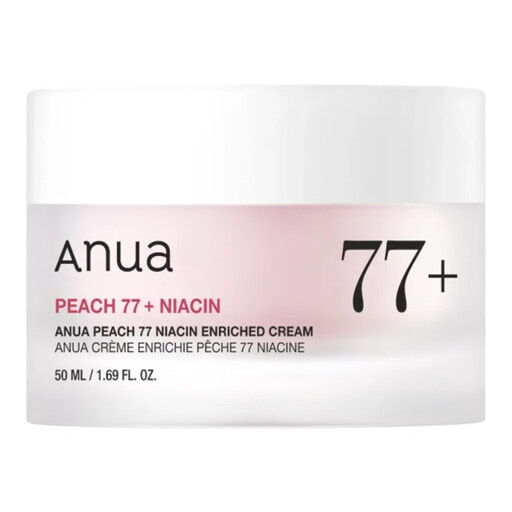
Why This Fits Their Persona: A straightforward everyday option for shoppers beginning a consistent moisturising routine and looking for a soft, lightweight finish.
Its ingredient list identifies niacinamide, glycerin and sodium hyaluronate rather than relying only on vague glow claims. The pudding-like cream is described as non-greasy.
Contains 5% niacinamide and peach extract listed at 77%; suitable for shoppers wanting hydration with a fresh, radiant finish.
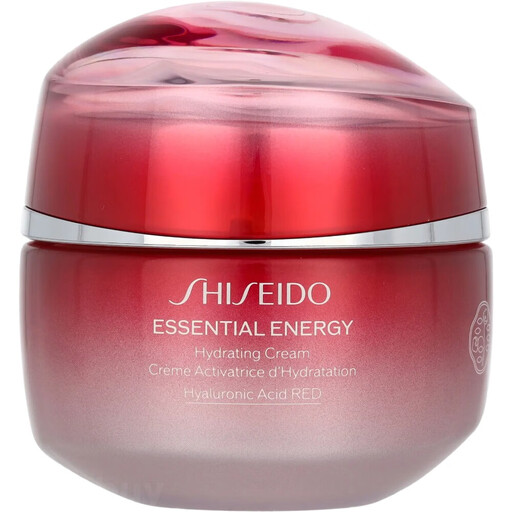
Why This Fits Their Persona: A premium daily moisturiser for shoppers who value a fast-absorbing texture, refillable packaging and a polished morning-and-evening routine.
The product details specify how to apply it and explain the refill system. Shoppers sensitive to fragrance or alcohol should review the full ingredient list before purchase.
Includes sodium hyaluronate and sodium acetylated hyaluronate; the refillable design is intended to reduce packaging waste compared with standard packaging.
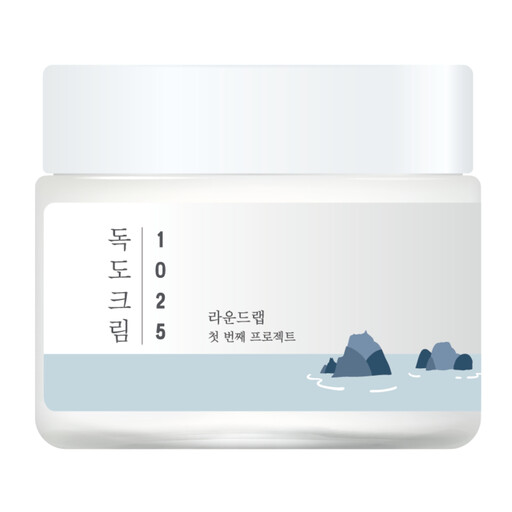
Why This Fits Their Persona: The larger 80ml format suits regular users who want a richer cream for dry, dehydrated or seasonally stressed skin.
The formula clearly lists five ceramides, three forms of hyaluronic acid and panthenol, making its moisturising focus easier to assess.
The listed formula is free from artificial fragrance, parabens and alcohol, with shea butter and allantoin for a comfortable cream texture.
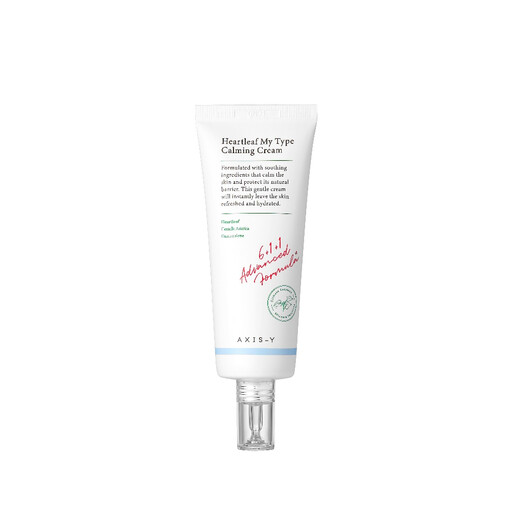
Why This Fits Their Persona: A lightweight choice for people who prefer a calming moisturiser that layers beneath make-up and does not leave a greasy finish.
Its gel-cream format avoids the assumption that sensitive skin always needs a heavy cream. Users should still patch-test before applying it widely.
Contains heartleaf, centella asiatica, glycerin, hyaluronic acid and allantoin; the product is described as vegan-certified and cruelty-free.
Apply moisturiser after cleansing and any lighter serums, usually as the final skincare step. Start with a modest amount and add more only where skin feels tight. In the morning, apply a separate broad-spectrum sunscreen when needed, particularly if using brightening products or spending time outdoors.
Do not introduce several active products at once. Using a niacinamide cream, vitamin C product, exfoliating acid and retinoid together can make it difficult to identify the source of irritation. A simple routine is often easier to maintain consistently.
A small pea-sized amount is a practical starting point for the face, although richer creams may require less and lightweight gels may require slightly more. Spread it gently rather than rubbing aggressively, and include the neck if the product instructions recommend it.
Yes, but choose a lighter lotion or gel-cream and apply a thin layer. Ingredients such as glycerin, betaine and hyaluronic acid can provide hydration without the dense feel associated with some heavier creams. If the product feels congesting or excessively shiny, reduce the amount or select a lighter texture.
Shelf life varies by product, packaging and storage conditions. Follow the open-jar symbol and the manufacturer’s instructions, keep the product away from heat and direct sunlight, and check its smell, colour and texture before use. Discontinue it if it changes noticeably or causes irritation.