
24/7 Customer Support

Free returns

Same-day & Next-day Delivery

Quality Guaranteed

Unlock Your Welcome Offers: FREE Delivery | Up to 80% OFF | Free 30-day JoyPlus trial
Download the APP
Finding the right face moisturiser is not simply a matter of choosing the most expensive jar or the product with the longest ingredient list. UK shoppers often need to balance changing weather, indoor heating, hard water, make-up compatibility and individual skin concerns.
A suitable daily facial moisturiser should support comfortable hydration without creating a greasy finish, irritating sensitive skin or leaving combination areas feeling congested. The right choice depends on texture, ingredients and how you plan to use it.
A thick cream may feel comforting on dry skin, but it can be uncomfortable under make-up or feel excessive on oily and combination skin. Conversely, a lightweight moisturiser may be easier to apply during the day but insufficient for very dry areas.
Look for the balance between humectants, which attract water, and occlusive or emollient ingredients, which help reduce moisture loss. Glycerin, hyaluronic acid and urea are common hydrating ingredients, while oils, silicones and petrolatum can provide a more protective feel.
A label stating that a product suits all skin types does not mean every person will experience the same result. Skin may be oily in the T-zone but dry around the cheeks, or become more reactive during cold, windy weather.
Check the actual formula. An oil-free moisturiser with a gel texture may suit oily skin, while a lotion containing richer emollients may be more comfortable for dry skin.
Ingredients such as salicylic acid can be useful in a routine for blemish-prone skin, but they may not suit everyone, particularly when combined with other exfoliating or acne-focused products. Fragrance can also be an unnecessary source of irritation for some users.
Read the full ingredient list, follow the directions and introduce new products gradually. Stop using a product if irritation, redness or discomfort develops.
If your cheeks feel dry but your forehead becomes shiny, consider using a lighter layer across the whole face and a little more on dry zones.
For sensitive skin, a fragrance-free moisturiser can help simplify the routine. Also look for relevant product information such as allergy-tested, dermatologist-tested, hypoallergenic or non-comedogenic claims. These descriptions refer to product testing or formulation information; they cannot guarantee that irritation or breakouts will never occur.
A patch test on a small area can help you assess personal tolerance. Avoid applying moisturiser directly to broken or visibly irritated skin unless advised by a healthcare professional.
Use moisturiser after cleansing, and apply broad-spectrum sunscreen during the daytime. A moisturiser does not replace SPF.
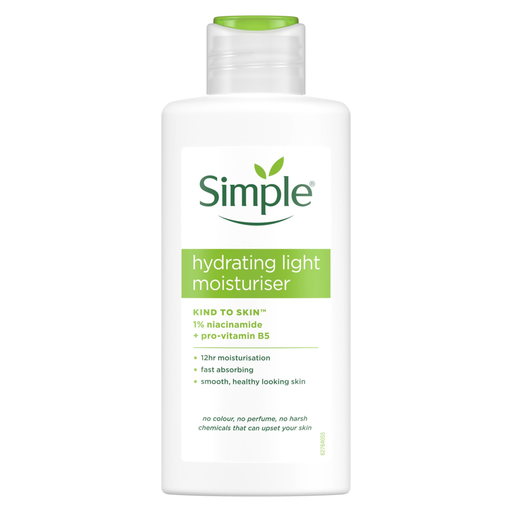
Why This Fits Their Persona: A practical everyday option for shoppers building a straightforward routine, including those seeking a light moisturiser for sensitive skin.
Its lightweight, fast-absorbing texture avoids the assumption that a heavy cream is needed for everyday hydration. It is listed as free from perfume and artificial colours.
125ml size, niacinamide, pro-vitamin B5 and vitamin E; listed as vegan and suitable for all skin types, including sensitive skin.
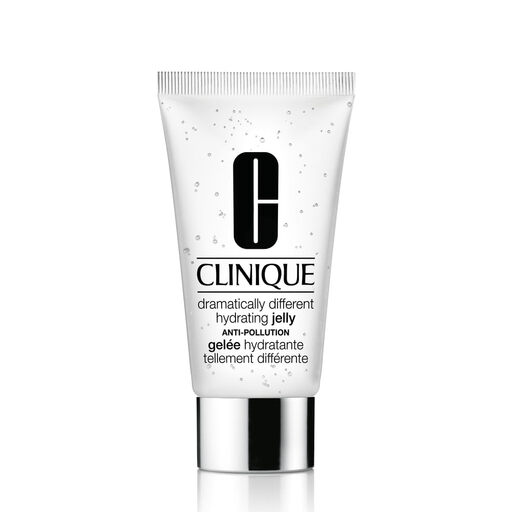
Why This Fits Their Persona: A premium-feeling choice for shoppers who prefer a quick-absorbing water-jelly texture for morning and evening use.
The listed oil-free, non-sticky formula is designed to absorb without a noticeable residue, addressing concerns about a rich product feeling uncomfortable under make-up.
Contains glycerin and sodium hyaluronate; listed as allergy tested, dermatologist tested and 100% fragrance-free.
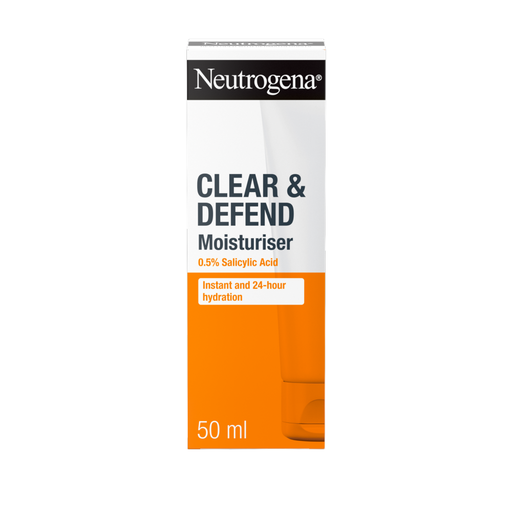
Why This Fits Their Persona: Suits shoppers specifically looking for an oil-free moisturiser with salicylic acid for a blemish-prone skincare routine.
The 0.5% salicylic acid concentration is clearly stated, so shoppers can identify the active rather than relying on vague “clarifying” language. Check compatibility with other active treatments.
Oil-free formula with aloe vera and chamomile extracts; intended for daily morning and evening application according to the product directions.
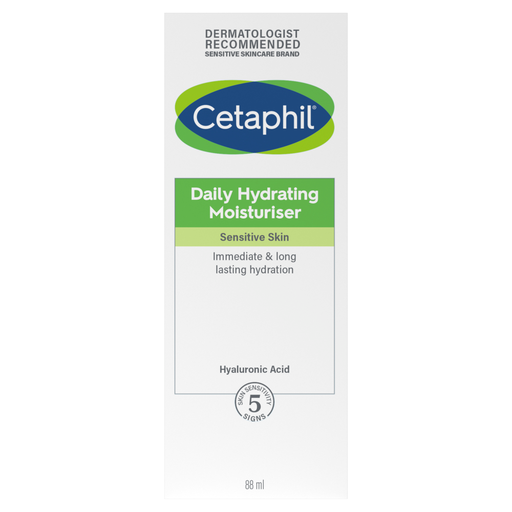
Why This Fits Their Persona: A convenient option for shoppers prioritising a fragrance-free, lightweight daily moisturiser with a simple application routine.
It avoids added fragrance and is listed as non-comedogenic, helping shoppers narrow their choices when avoiding unnecessary sensory ingredients or pore-blocking concerns.
Contains glycerin, hydrolysed hyaluronic acid and sodium PCA; the 88ml format is suitable for regular facial use.
We have compiled a complete, real-time list of products that fully satisfy these strict selection criteria and UK safety regulations.
A small, even layer is usually sufficient for the face and neck. Start with a modest amount, then add more to areas that feel dry. Applying too much can increase pilling under make-up without necessarily improving comfort.
Yes. Apply moisturiser after cleansing and allow it to settle before applying sunscreen. If your sunscreen already feels sufficiently moisturising, you may prefer a lighter layer underneath to avoid a heavy finish.
Storage and shelf life vary by product. Follow the packaging instructions, keep the container closed and store it away from excessive heat and direct sunlight. Discard it if the smell, colour or texture changes, or if the packaging advises a shorter period after opening.