
24/7 Customer Support

Free returns

Same-day & Next-day Delivery

Quality Guaranteed

Unlock Your Welcome Offers: FREE Delivery | Up to 80% OFF | Free 30-day JoyPlus trial
Download the APP
Choosing a facial serum can seem straightforward until you compare hyaluronic acid, peptides, collagen, niacinamide, vitamin C and barrier-supporting ingredients. A small bottle may carry a premium price, yet the formula might not suit your skin type, routine or tolerance.
This guide from the Joybuy Product Recommendation Officer focuses on practical selection rather than marketing language. Whether you want an anti-ageing serum, hydrating serum, brightening serum, collagen serum or sensitive skin serum, check the details below before buying.
A serum containing collagen, hyaluronic acid or vitamin C is not automatically suitable for every concern. For example, hyaluronic acid is mainly used as a humectant to help attract water, while niacinamide is commonly included in formulas designed for uneven tone, oil balance or the appearance of pores.
Look at the complete ingredient list rather than relying on a front-label phrase such as “firming serum” or “wrinkle serum”. Ingredient position can also provide useful context, although it does not predict individual results.
More active ingredients can increase the possibility of dryness, stinging or redness, particularly when combined with exfoliating acids, retinoids or fragranced products. A formula with several types of hyaluronic acid may offer a pleasant, layered hydration feel, but it still needs to be sealed with a moisturiser if your skin is dry.
Likewise, a brightening serum may contain vitamin C, niacinamide or other tone-focused ingredients that require sensible use and daytime sun protection.
A rich luxury face serum may feel comfortable on dry skin but heavy beneath make-up or in an oily T-zone. Watery Korean skincare serum and ampoule textures often layer easily, while single-use vials can be useful for travel and controlled dosing.
Packaging also matters. Dropper bottles require regular opening, whereas sealed ampoules or mix-at-home formats are designed around freshness and measured application. Always check the stated storage instructions, shelf life and batch information on the packaging.
If your skin is sensitive, check for denatured alcohol, fragrance and listed fragrance allergens such as limonene, linalool, citral or geraniol. Their presence does not mean a product will irritate everyone, but it can be relevant when comparing a sensitive skin serum.
Patch test new products and avoid applying serum to broken, inflamed or sunburnt skin. Follow the product instructions and stop use if irritation develops.
A 30ml bottle is a common facial serum size, but value depends on how much you use and how often. A 50ml or 75ml bottle may suit daily users, while 15ml formats can be practical if you are trying a texture or ingredient combination for the first time.
Apply serum after cleansing and, where appropriate, toning. Follow with moisturiser. A morning routine should finish with broad-spectrum sunscreen, particularly when using products focused on brightening or exfoliation.
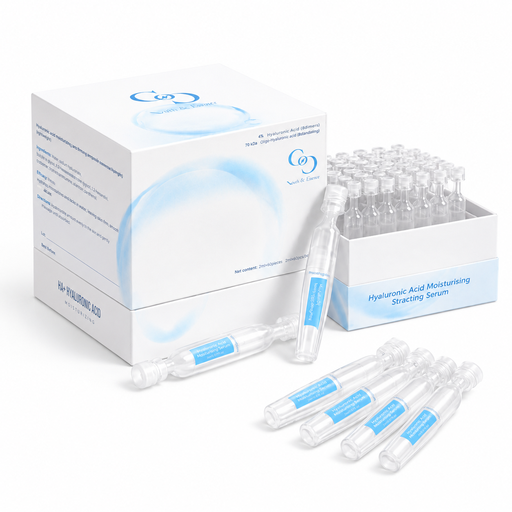
Why This Fits Their Persona: Thirty individual 1ml vials offer measured portions for shoppers beginning a hydration-focused routine or commuting and travelling around the UK.
The single-use format avoids repeatedly opening one bottle and makes the daily amount easier to control.
Contains glycerin, betaine, niacinamide, polyglutamic acid and sodium hyaluronate; the box contains 30 vials.
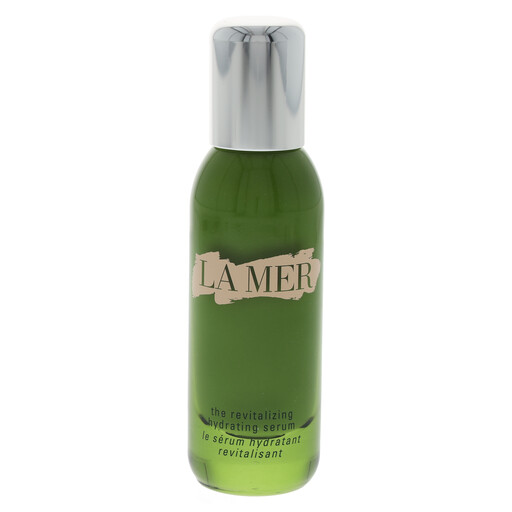
Why This Fits Their Persona: A shopper prioritising an oil-free, marine-inspired formula and a lightweight finish may prefer this 30ml premium option.
Its listed texture and oil-free format help shoppers assess finish before buying rather than relying only on “intensive hydration” wording.
Includes glycerin, algae extract, squalane, sodium hyaluronate and acetyl hexapeptide-8.
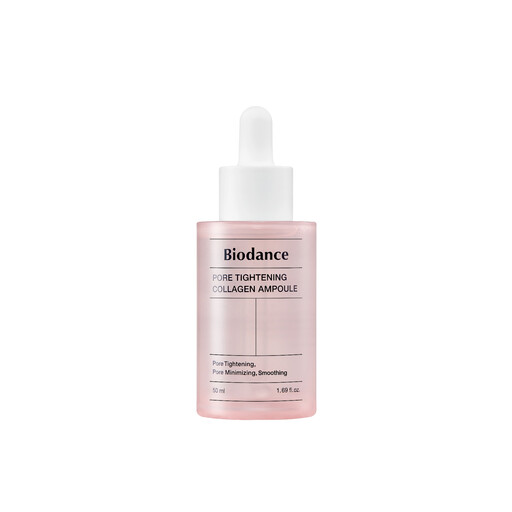
Why This Fits Their Persona: Combination-skin users focused on visible pores, uneven texture and daily layering may appreciate the 50ml format.
The product positioning is specific to pore appearance and texture, rather than presenting one formula as suitable for every concern.
The listed formula contains collagen extract, niacinamide, panthenol, allantoin and multiple hyaluronic acid forms.
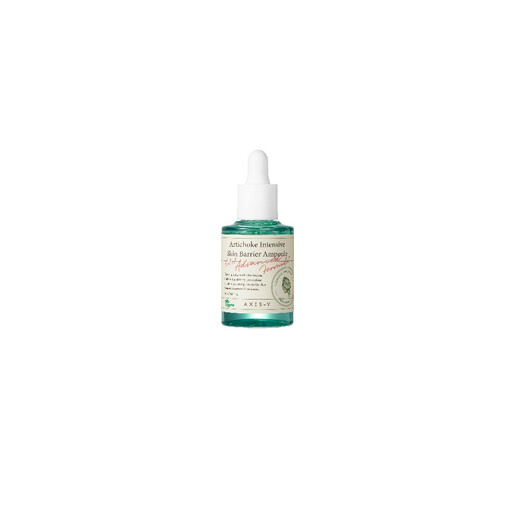
Why This Fits Their Persona: Users simplifying a routine after dryness or sensitivity may prefer an alcohol-free, lightweight ampoule with soothing plant extracts.
The listing clearly identifies an alcohol-free formula, helping shoppers screen one commonly reviewed sensitivity concern.
Contains artichoke leaf extract listed at 10,000ppm, centella asiatica, licorice root, beta-glucan and sodium hyaluronate.
We have compiled a complete, real-time list of products that fully satisfy these strict selection criteria and UK safety regulations.
A 30ml serum may last several weeks to a few months, depending on the dose and whether it is used once or twice daily. Check the recommended amount rather than applying extra product. Single-use ampoules have a defined portion, while mix-at-home vitamin C formats may have a shorter recommended use period after activation.
You can often layer compatible formulas, but using several active products together may increase the chance of irritation. Apply the lighter, water-based formula first, then use moisturiser. If both products contain strong brightening, exfoliating or retinoid-style ingredients, alternate them instead of layering immediately.
Yes, but texture and ingredients matter. Oily or combination skin may prefer a fast-absorbing ampoule, while sensitive skin may benefit from an alcohol-free or fragrance-free option. Always review the current ingredient list, patch test first and discontinue use if redness, itching, swelling or discomfort occurs.