
24/7 Customer Support

Free returns

Same-day & Next-day Delivery

Quality Guaranteed

Unlock Your Welcome Offers: FREE Delivery | Up to 80% OFF | Free 30-day JoyPlus trial
Download the APP
Choosing among the best facial serums can be difficult when every bottle promises brighter, smoother or younger-looking skin. The right choice depends less on attractive claims and more on the formula, your skin’s needs and how easily the product fits into your routine.
For UK shoppers, there are three common pitfalls to avoid:
Start with one clear objective rather than layering several highly active products at once.
A high percentage is not automatically more suitable. Concentration details should be considered alongside the ingredient’s position in the INCI list, the product’s pH where relevant and your tolerance.
For example, Clinique Moisture Surge Active Glow Serum contains 5% lactic acid, vitamin C and hyaluronic acid. That combination may appeal to someone seeking gentle exfoliation and hydration, but the product instructions recommend daily sunscreen and limiting sun exposure while using it. It may not be the first choice for a compromised barrier.
People looking for a serum for sensitive skin should check for fragrance, essential oils, denatured alcohol and exfoliating acids. “Suitable for sensitive skin” is a product description, not a guarantee for every individual. A patch test on a small area is a sensible precaution.
Active ingredients can be affected by light, air and heat. Opaque or sealed packaging may be useful for formulas containing easily oxidised ingredients. Single-use ampoules can also be practical for travel, although buyers should check the volume per vial and the complete ingredient list.
Apply serum after cleansing and, if used, toner. Follow with moisturiser. In the morning, finish with a broad-spectrum sunscreen. Introduce one new active product at a time so that any reaction is easier to identify.
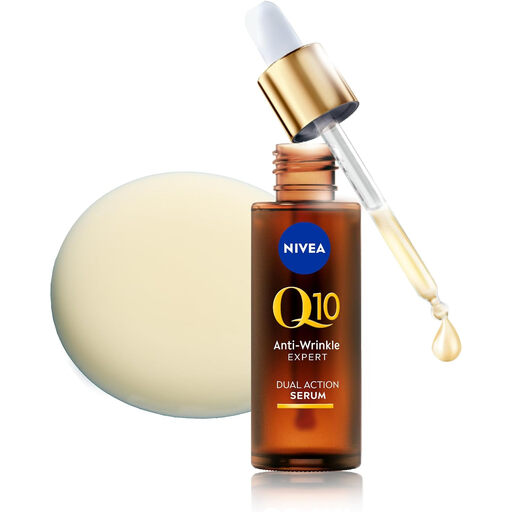
Why This Fits Their Persona: A straightforward option for shoppers beginning an anti-ageing serum routine, with directions for morning and evening use and a familiar 30ml format.
Its ingredient list clearly identifies Q10 and glycerin, allowing buyers to assess the formula rather than relying only on age-related marketing language.
Contains ubiquinone, glycerin and shea butter; the listing describes a lightweight, fast-absorbing texture.
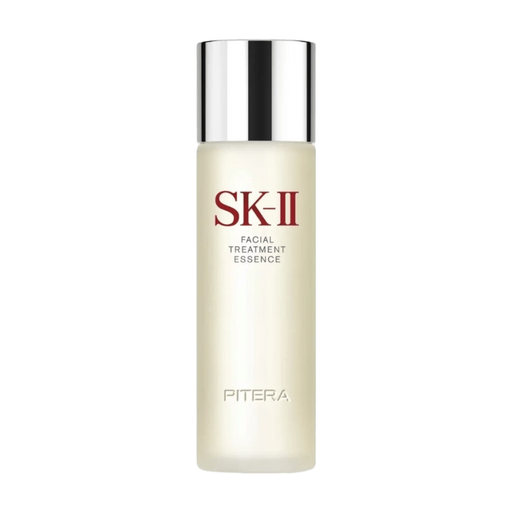
Why This Fits Their Persona: Suitable for shoppers who prefer a lightweight essence step with a short ingredient list and a traditional press-and-pat application.
The formula lists galactomyces ferment filtrate first, rather than hiding the principal ingredient behind a long blend of unnamed actives.
The listing states over 90% PITERA and provides clear morning-and-evening directions for use.
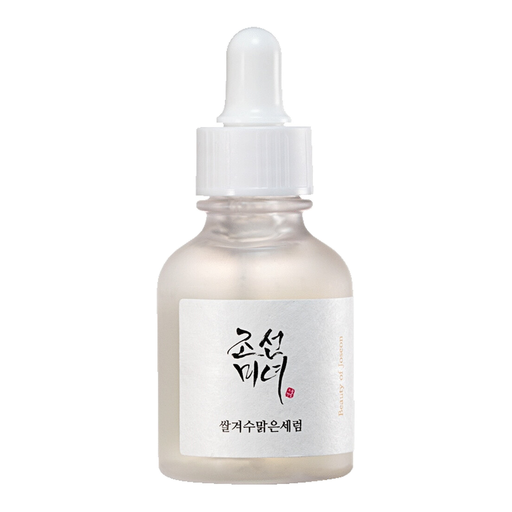
Why This Fits Their Persona: A Korean skincare serum for those prioritising a watery texture, hydration and a more even-looking complexion.
It specifies 2% alpha-arbutin and 68% rice bran water, giving shoppers measurable formulation details instead of only a general “glow” promise.
Fragrance-free and essential-oil-free according to the listing, with glycerin, niacinamide and panthenol also included.
Why This Fits Their Persona: A practical option for dry, dehydrated or easily stressed skin, particularly when a lightweight, alcohol-free layer is preferred.
The listing identifies an alcohol-free formula and gives a patch-test recommendation, helping shoppers assess compatibility before full-face use.
Contains 10,000ppm artichoke leaf extract, centella asiatica, glycerin, sodium hyaluronate and beta-glucan.
We have compiled a complete, real-time list of products that fully satisfy these strict selection criteria and UK safety regulations.
Do not apply products to broken or inflamed skin. If you have a diagnosed skin condition, are pregnant or are using prescribed skincare, seek suitable professional advice before introducing strong actives.
One targeted serum is usually easier to assess than several overlapping formulas. If you combine products, avoid using multiple exfoliating acids or adding vitamin C, BHA and retinoid products together immediately. Alternate them across routines if needed.
There is no single lifespan for every formula. Check the packaging for the period-after-opening symbol, expiry information and storage instructions. Discard a product if its smell, colour or texture changes, particularly if it contains vitamin C or other oxidation-sensitive ingredients.
Price alone does not indicate suitability. Compare the size, ingredient list, active concentration, packaging and usage instructions. A reasonably priced serum that matches your skin concern and is used consistently may be more practical than a costly product containing ingredients you cannot tolerate.