
24/7 Customer Support

Free returns

Same-day & Next-day Delivery

Quality Guaranteed

Unlock Your Welcome Offers: FREE Delivery | Up to 80% OFF | Free 30-day JoyPlus trial
Download the APP
Facial sheet masks can be a convenient addition to a UK skincare routine, particularly when skin feels dry after central heating, cold weather or long days outdoors. However, attractive packaging and words such as “deep”, “repair” and “lifting” do not always explain what you are actually buying.
Before choosing a hydrating face mask, check the format, ingredients, wear time and quantity in the pack. A low-priced box may contain fewer usable applications than expected, while a rich formula may feel uncomfortable on oily or easily congested skin. The following guide explains the main buying pitfalls and matches different facial masks to practical skincare needs.
Most sheet masks leave skin feeling softer and more comfortable because their essence contains water-binding ingredients such as glycerine, betaine or hyaluronic acid. This does not mean that a mask replaces a daily moisturiser, sunscreen or a consistent skincare routine.
A moisturising face mask can provide short-term conditioning, but products labelled “anti-ageing”, “brightening” or “barrier repair” should be judged by their listed ingredients rather than the headline. Collagen in a cosmetic mask, for example, is primarily a conditioning ingredient on the skin’s surface; it should not be interpreted as a medical or structural treatment.
A sheet mask that dries out may become uncomfortable and can leave skin feeling tight. Follow the time stated on the packaging rather than wearing a standard mask overnight. Some hydrogel face masks are designed to remain on the skin for longer, but this depends on the individual product.
The Biodance Bio-Collagen Real Deep Mask, for example, is described for daytime use of three to four hours or overnight use. That is different from a conventional five-to-20-minute sheet, so checking the directions is essential.
“Natural”, “Korean” or “Japanese” does not automatically mean suitable for sensitive skin. Fruit extracts, acids, fragrance, essential oils and preservatives can still cause discomfort for some users. Always read the full INCI list, particularly if you have previously reacted to skincare.
For products purchased in Great Britain, look for clear ingredients, usage instructions, warnings, batch information and responsible-person details where applicable. Northern Ireland may follow different cosmetic-market requirements, so packaging and seller information should be checked carefully.
Choose ingredients that match your immediate need:
A close fit helps keep essence in contact with the skin and reduces slipping. Three-dimensional designs can wrap around the jaw and chin more securely than flat sheets. Hydrogel masks generally feel thicker and more closely moulded, while cellulose or fabric sheets are often lighter and easier to use during a short routine.
Check whether the mask separates into sections, has adjustable tabs or leaves enough room around the eyes and mouth. A poor fit can result in dry edges and wasted essence.
Compare the number of applications rather than the product’s total liquid weight. A single sachet is useful for occasional use or patch testing, while a multipack may suit regular routines. Tub formats can be convenient but should be closed firmly to prevent sheets drying out.
Do not use a mask past its stated period after opening, and store it according to the label. Keep products away from direct sunlight and excessive heat. Stop use if burning, swelling, persistent redness or itching develops.
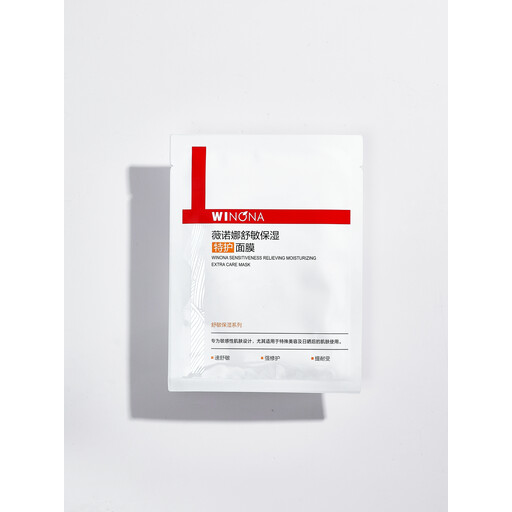
Why This Fits Their Persona: A single sheet is a practical way to try a sensitive skin face mask without committing to a larger pack. It also suits occasional use before a social event or after a dry-weather day in the UK.
The single-piece format makes the actual application quantity clear and reduces the risk of buying a large pack before checking compatibility.
Single sachet format; positioned for soothing and moisturising care.
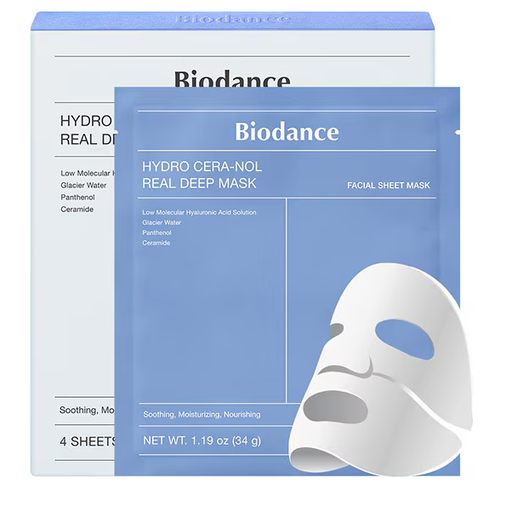
Why This Fits Their Persona: This hydrogel face mask suits shoppers who prefer a close-fitting texture and a longer, planned skincare session rather than a quick five-minute application.
Its listed formula includes panthenol, several hyaluronic acid forms and ceramides, giving buyers identifiable ingredients instead of relying only on “deep repair” wording.
Four-mask pack; hydrogel format; ceramide and panthenol listed in the INCI.
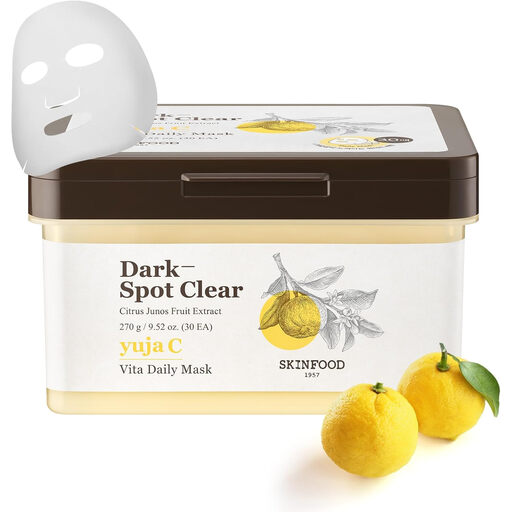
Why This Fits Their Persona: The tub format is suited to users who want a regular Korean skincare step and prefer a short five-to-10-minute application.
The product specifies a short wear period and includes a lid and inner freshness film; users should still reseal it promptly after removing each sheet.
270g multipack format; niacinamide, yuja extract and a vitamin C derivative are listed.
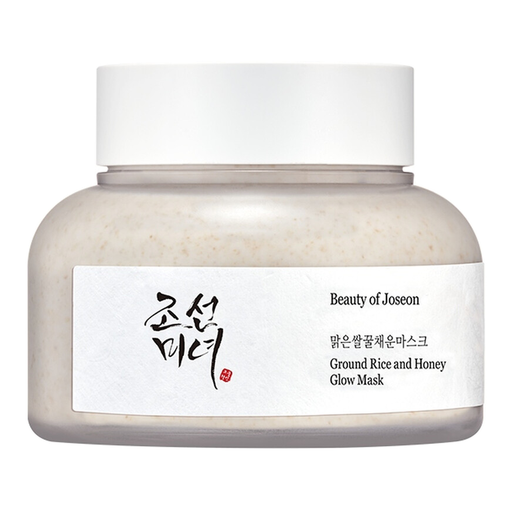
Why This Fits Their Persona: This wash-off glow mask is appropriate for shoppers who prefer a rinse-off treatment rather than a fabric sheet, especially as an occasional weekly step.
The instructions specify five to 10 minutes and advise against letting the product dry completely, helping reduce the tight feeling associated with overlong clay-mask use.
150ml jar; rice hull powder, honey and kaolin are listed; rinse-off format.
We have compiled a complete, real-time list of products that fully satisfy these strict selection criteria and UK safety regulations.
A standard hydrating face mask can usually be used when needed, but frequency depends on the formula and your skin’s tolerance. Follow the packaging instructions. Exfoliating or clay-based masks are generally better treated as occasional products, while a simple moisturising sheet may fit more regularly into a routine.
Usually, yes. After removing the sheet, gently press in excess essence and apply a moisturiser to help reduce water loss. During the day, finish with broad-spectrum sunscreen, particularly when using products containing exfoliating or brightening ingredients.
Some are, but origin is not a guarantee of compatibility. Review the INCI list, avoid known triggers and patch test before applying a new product to the whole face. Do not use a mask on broken skin, active eczema or areas that are already irritated.