
24/7 Customer Support

Free returns

Same-day & Next-day Delivery

Quality Guaranteed

Unlock Your Welcome Offers: FREE Delivery | Up to 80% OFF | Free 30-day JoyPlus trial
Download the APP
Dry indoor heating, cold weather and changing humidity can make facial skincare products feel difficult to choose. One serum may promise radiance, another may focus on hydration, while a face mask claims to detoxify or calm the complexion. The challenge is identifying what your skin actually needs rather than paying for impressive packaging or vague marketing language.
This guide explains the practical details to check before buying facial skincare products, including ingredient suitability, texture, usage frequency and product format. It also highlights suitable options for different budgets and routines.
A high percentage of one ingredient does not automatically make a product suitable for your skin. A hyaluronic acid serum, for example, may help skin feel hydrated, but it generally works best when followed by a moisturiser that helps reduce moisture loss. Likewise, a vitamin C serum may suit dull-looking skin but still require daytime sun protection.
Look at the complete formula, including humectants such as glycerin, emollients such as oils or squalane and potential irritants such as fragrance or essential oils.
Natural botanical extracts and essential oils can still cause discomfort for some users. This is particularly important when shopping for sensitive skin skincare. Check the full ingredient list rather than relying on front-of-pack terms such as “natural”, “vegan” or “clean”.
Vegan status describes the absence of animal-derived ingredients; it does not guarantee that a product will suit reactive or allergy-prone skin.
Using an exfoliating charcoal face mask, vitamin C serum and an overnight treatment in the same routine can be unnecessary and may leave skin feeling uncomfortable. Introduce one new active product at a time, follow the instructions and carry out a patch test where appropriate.
Lightweight watery serums are generally easy to apply beneath a dry skin moisturiser. Oil-rich or bi-phase products may feel more comfortable on dry skin but can be less suitable for people who prefer a quick, non-greasy finish.
A practical routine is cleanser, serum, moisturiser and daytime sunscreen. Use an overnight hydrating mask as an occasional final step rather than automatically adding it every night.
Check whether a product advises avoiding the eye area, using a patch test or stopping if irritation occurs. Packaging also affects convenience. Single-use ampoules can be useful for travel or precise dosing, while a 75ml mask may provide several weekly applications. Always refer to the product packaging for the latest ingredient, batch and storage information.
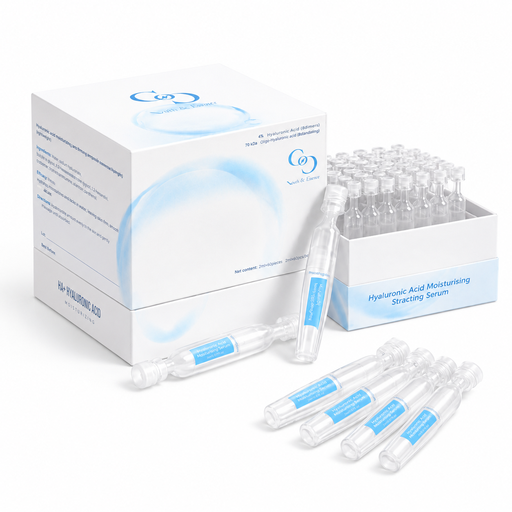
Why This Fits Their Persona: Thirty individually packaged 1ml vials offer a clearly measured introduction to a moisturising serum, with a convenient format for gym bags, commuting and UK travel.
The sealed single-use format avoids repeatedly opening a larger bottle and makes the recommended amount easier to control. Check the full ingredient list if you are sensitive to niacinamide or plant extracts.
Contains glycerin, betaine, polyglutamic acid and sodium hyaluronate; 30 individually sealed 1ml ampoules are supplied.
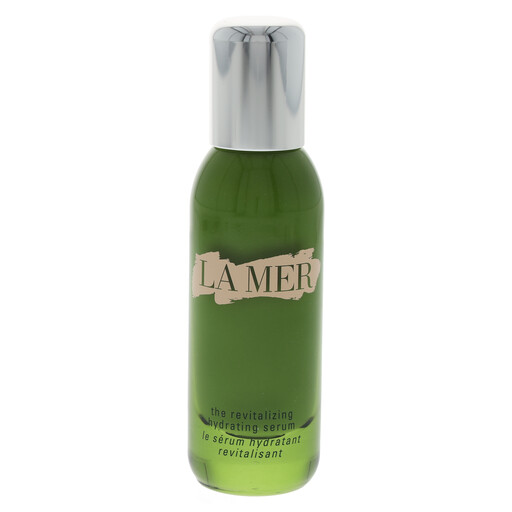
Why This Fits Their Persona: A lightweight, oil-free serum for shoppers seeking a premium facial hydration step that can be used morning and evening beneath moisturiser.
Its stated usage is specific—one to two pumps over the face and neck—so buyers can assess how it fits their existing routine rather than relying only on broad hydration language.
Includes glycerin, algae extract, squalane and sodium hyaluronate in an oil-free serum texture.
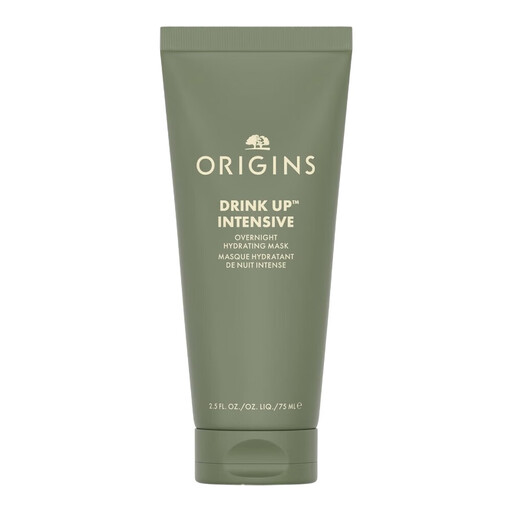
Why This Fits Their Persona: Suitable for shoppers managing very dry or tight-feeling skin during colder months who prefer an occasional overnight treatment.
The instructions specify twice-weekly use or use as desired, helping prevent the common mistake of treating an intensive mask as a daily moisturiser.
Contains glycerin, avocado oil, avocado butter, niacinamide and sodium hyaluronate; it can also be used as a hand mask.
Start with one serum or mask that addresses your main concern. For dryness, apply a hydrating face serum to slightly damp skin and follow with moisturiser. For dullness or uneven tone, introduce a vitamin C serum or dark spot serum gradually and apply sunscreen in the morning.
Use a soothing face mask when skin feels uncomfortable, and reserve a charcoal face mask or exfoliating treatment for occasional use if your skin tolerates it. For body dryness, a gift set containing lotion, body oil and hand cream can be more useful than a single facial product, particularly during colder UK weather.
A simple routine can include cleanser, moisturiser and daytime sunscreen. Add one serum after your basic routine feels comfortable. Masks and exfoliating products can be introduced later and used according to their instructions.
The answer depends on your priorities, formula preferences and how consistently you will use the product. Compare the ingredient list, texture, pack size and recommended amount rather than judging value by branding alone.
Lifespan depends on pack size, frequency and the amount applied. A 30ml serum used once daily will generally last longer than one used morning and evening. Check the packaging for the period-after-opening symbol, expiry information and storage instructions.