
24/7 全天候客户支持

免费退货

当日/次日达

品质保障

开启新人专享福利: 全场免邮 | 低至 2 折 | 免费试用 30 天 JoyPlus 会员
下载 Joybuy
Combining facial sunscreen with a cushion foundation can simplify a morning routine, but the wrong product may leave skin greasy, patchy or under-protected. UK shoppers often compare SPF50 face sunscreen, tinted formulas and cushion foundation SPF40 by looking only at headline claims. That can lead to avoidable purchases.
The most common pitfalls are:
For regular outdoor exposure, look for SPF30 or SPF50+ and check whether UVA protection is clearly stated. SPF primarily relates to UVB protection, while UVA is associated with longer-term skin damage and pigmentation concerns. A product marked PA+++ or PA++++ uses an Asian UVA-rating system; it can help when comparing Korean facial sunscreen products, but UK shoppers should also check the full packaging and product information.
Apply facial sunscreen generously to the face, ears and neck. Reapply after heavy sweating, swimming or towelling, and during extended time outdoors. A make-up product containing SPF can provide an additional layer, but it is difficult to apply enough foundation to reach the labelled protection level.
A lightweight fluid or essence sunscreen is often easier to wear beneath make-up. Dry or sensitive skin may prefer hydrating ingredients such as glycerin, panthenol or hyaluronic acid. Oily and combination skin may find silica, starch or a silky-matte finish more comfortable.
If you are considering sensitive skin sunscreen, inspect the ingredient list for fragrance and alcohol denat. These ingredients are not automatically unsuitable, but reactive skin may benefit from a patch test first. Stop use if redness, itching, stinging or discomfort develops.
A tinted sunscreen, tone-up sunscreen or cushion foundation can even out visible redness and dullness, but shade matching remains essential. Undertone labels such as N for neutral and C for cool can provide a useful starting point, while numbers and shade names vary between ranges.
For make-up, decide whether you need:
A puff is practical for quick touch-ups, although reapplying sunscreen over a full base can be uneven. For outdoor days, a dedicated sunscreen remains the more reliable foundation of the routine.
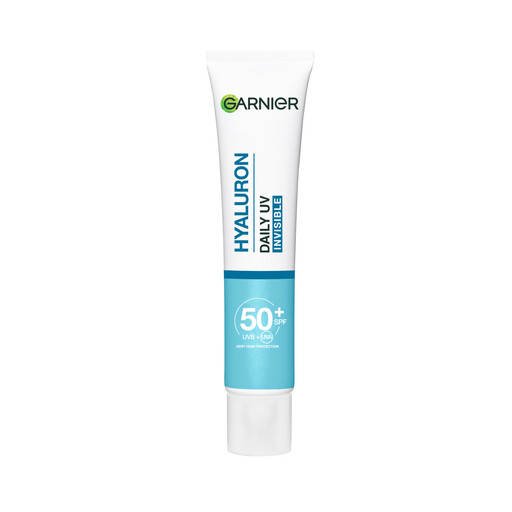
Why This Fits Their Persona: A practical everyday option for commuters wanting SPF50 protection in a fluid that can sit beneath make-up.
Its sheer, non-greasy format avoids relying on a thick make-up layer for sun protection.
SPF50+, hyaluronic acid, glycerin and a finish described as non-sticky and free from visible white traces.
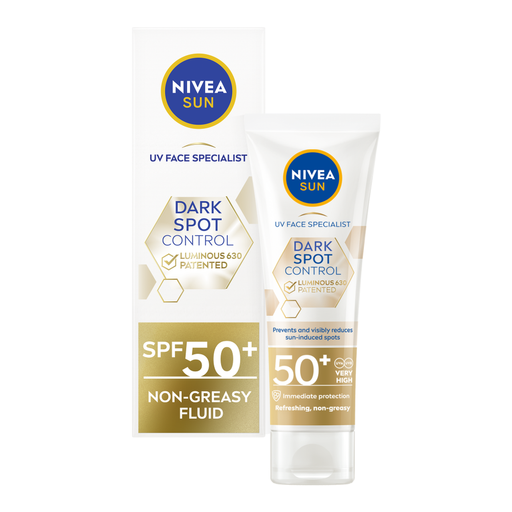
Why This Fits Their Persona: Suits shoppers combining daily protection with a routine focused on the appearance of uneven tone and dark spots.
It separates sun protection from make-up coverage, making it easier to apply a consistent amount.
SPF50+, a fast-absorbing fluid texture and Luminous630 listed as a dark-spot-focused ingredient.
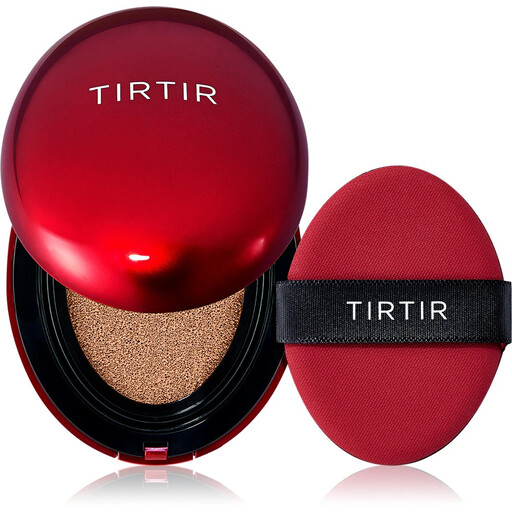
Why This Fits Their Persona: A convenient Korean make-up option for long workdays, travel and quick midday touch-ups where buildable coverage is important.
The puff and buildable application allow controlled coverage rather than requiring one heavy layer.
SPF40 PA++, semi-matte coverage and a compact 18g format designed for on-the-go application.
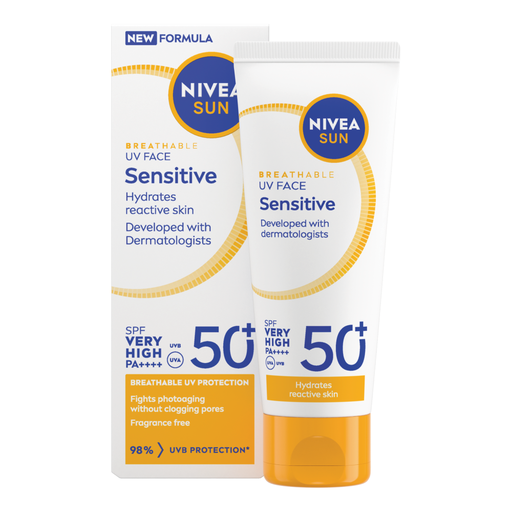
Why This Fits Their Persona: Designed for shoppers who prioritise a dedicated daily face sunscreen before applying primer or foundation.
The separate sunscreen step reduces the risk of applying too little protection while using make-up.
SPF50+ and PA++++, with panthenol and glycerin listed in the formula; the product description also identifies it as non-comedogenic.
We have compiled a complete, real-time list of products that fully satisfy these strict selection criteria and UK safety regulations.
Usually, it should be treated as supplementary protection. The amount of cushion foundation used is normally insufficient to achieve the labelled SPF. Apply a dedicated sunscreen first, particularly during prolonged outdoor exposure.
Yes. Apply sunscreen as the final skincare step and wait for it to settle before using the cushion. A compatible lightweight formula can reduce separation, pilling and excessive shine.
Reapply after swimming, sweating or towelling, and during extended direct sun exposure. For everyday office or commuting routines, follow the product label and consider reapplication when spending more time outside. No sunscreen removes the need to seek shade, wear clothing and avoid prolonged sun exposure.