
24/7 Customer Support

Free returns

Same-day & Next-day Delivery

Quality Guaranteed

Unlock Your Welcome Offers: FREE Delivery | Up to 80% OFF | Free 30-day JoyPlus trial
Download the APP
A facial sunscreen SPF 50 can be a practical part of a daily skincare routine, but choosing one based only on a large number or attractive packaging can lead to disappointment. The right formula needs to suit your skin type, finish preference and routine, whether you want a Korean sunscreen, mineral sunscreen, tinted sunscreen or an invisible product under make-up.
SPF mainly indicates protection against UVB, the rays associated with sunburn. It does not explain the complete UVA performance. For everyday use, check for broad-spectrum protection, a UVA symbol or a clearly stated UVA rating. Some Korean products also use the PA rating, such as PA+++ or PA++++, as an additional indication of UVA protection.
No sunscreen provides complete protection. Application quantity, reapplication and other measures such as sunglasses, hats and shade still matter in the UK, particularly during prolonged outdoor activities.
A sunscreen without white cast may still feel greasy, pill beneath foundation or leave a shiny finish. Mineral filters such as zinc oxide can sometimes appear pale on deeper skin tones, while tinted formulas use iron oxides to add colour and reduce the visible cast.
Before buying, look for the texture description and ingredient list. A fluid or serum texture may suit people who dislike heavy creams, while a richer cream can be more comfortable for dry skin.
Ingredients such as hyaluronic acid, centella asiatica, vitamins and botanical extracts may support the product’s feel or hydration characteristics, but they do not replace the stated SPF and UVA protection. Treat these as additional formulation features rather than a reason to reduce the amount applied.
For regular commuting and everyday errands, SPF 30 face sunscreen may be suitable when applied correctly. If you spend more time outdoors, prefer an extra margin or want SPF 50+ face sunscreen, choose a product labelled SPF 50 or SPF 50+ and check its UVA information.
Apply generously to the face, ears and neck as the final morning skincare step. The often-used two-finger method is a practical guide for the face and neck, although packaging instructions should take priority. Reapply after sweating, swimming or towel drying, and during extended direct exposure.
A mineral sunscreen commonly uses zinc oxide or titanium dioxide. It may appeal to shoppers who prefer mineral filters, although tint and blending technique can affect its appearance.
A chemical or hybrid sunscreen may create a thinner, more transparent layer. People with sensitive skin should still check the full ingredient list, as fragrance, alcohol or particular filters may not suit everyone. Patch testing is sensible when trying a new formula.
A non-greasy sunscreen with a soft satin or semi-matte finish may work well for oily or combination skin. Dry skin may prefer a hydrating facial sunscreen with humectants and emollients. If you want a sunscreen make-up primer, allow it to settle before applying foundation and avoid layering too many products at once, which can contribute to pilling.
Tinted products should be checked against your undertone and complexion. A tinted sunscreen can provide light evening coverage, but it should not be applied too sparingly in an attempt to achieve a foundation-like finish.
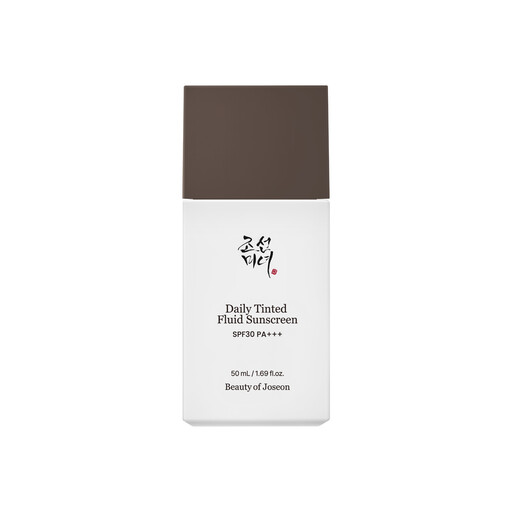
Why This Fits Their Persona: A practical starting point for shoppers who want daily facial protection with light complexion evening in one fluid step.
The tinted mineral fluid is designed to blend without a visible white cast, while the SPF 30 and PA+++ rating are clearly stated.
50ml size, fluid texture, mineral zinc oxide filter and sheer tint for a soft satin appearance.
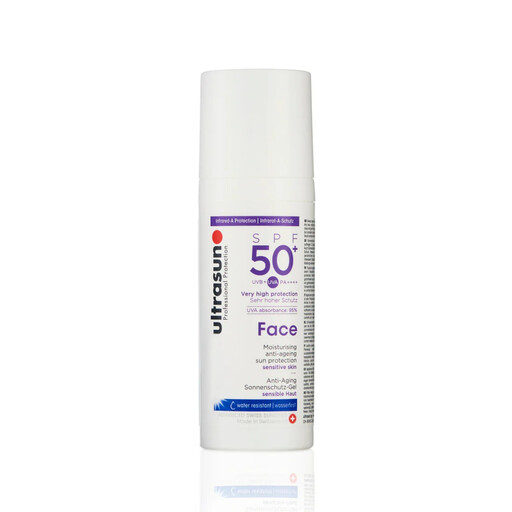
Why This Fits Their Persona: Suits shoppers seeking a dedicated daily face sunscreen SPF 50+ with a primer-friendly, lightweight format.
Its stated SPF50+ broad-spectrum protection is paired with a non-comedogenic facial formula rather than a generic body sunscreen.
Contains Ectoin and uses a lamellar formulation; the product description identifies it as suitable for sensitive skin.
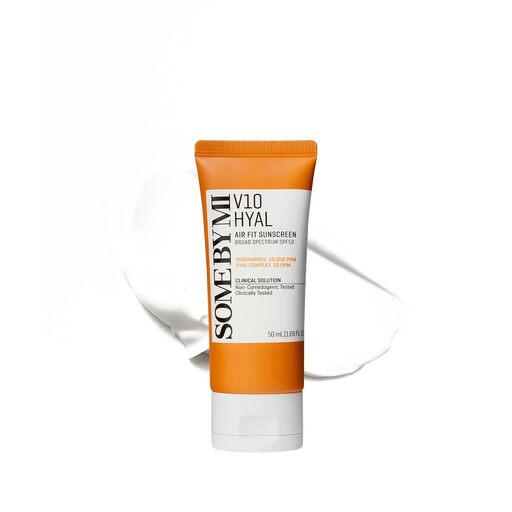
Why This Fits Their Persona: A Korean sunscreen option for active daily routines where a light, hydrating layer is preferable to a dense cream.
The listed SPF50 formula is described as lightweight and without white cast, helping address the common problem of uncomfortable daily wear.
Includes hyaluronic acid, panthenol and centella asiatica; its lotion texture is specified as non-greasy.
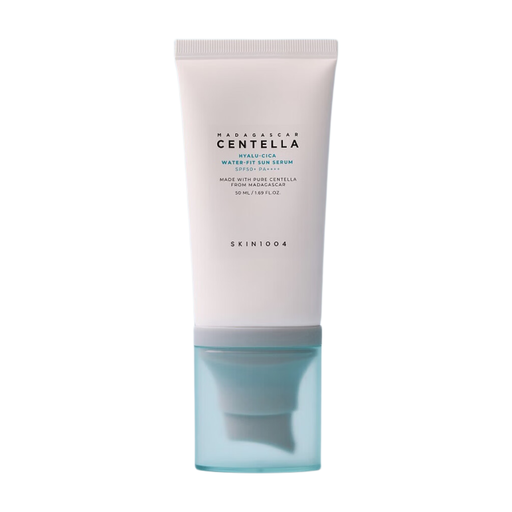
Why This Fits Their Persona: Suitable for shoppers who prefer a fragrance-free, alcohol-free serum texture that sits lightly beneath make-up.
Its product details specify an invisible finish and no added fragrance, while also noting that it is not water or sweat-resistant.
SPF50+ PA++++, hyaluronic acid and centella asiatica in a watery, non-sticky serum format.
Even a well-matched product can provide less protection if too little is used. Apply sunscreen as the final step of skincare and let it settle before make-up. Shake tinted or fluid formulas thoroughly so pigments and filters are evenly distributed.
For a long day in a UK park, on a beach or during outdoor sport, reapply at least every two hours and after swimming, sweating or towelling. Check whether the specific product is water-resistant rather than assuming that SPF 50 indicates resistance.
We have compiled a complete, real-time list of products that fully satisfy these strict selection criteria and UK safety regulations.
Not always. SPF 30 can be appropriate for routine daily exposure when applied generously and reapplied as needed. SPF 50 or SPF 50+ may be preferable for extended outdoor time, strong sunlight or shoppers who want a higher stated UVB protection level. UVA information should be checked separately.
There is no fixed lifespan because it depends on application amount and frequency. A 50ml product used generously on the face and neck every morning will be used more quickly than one applied only occasionally. Check the packaging for the open-jar period and expiry information, and replace it if the texture, colour or smell changes.
Yes, many fluid, serum and primer-style formulas are designed for layering. Apply enough sunscreen first, allow it to settle for a few minutes, then press foundation over the skin rather than rubbing aggressively. Always check the finish and ingredient list if you are prone to pilling or sensitivity.