
24/7 Customer Support

Free returns

Same-day & Next-day Delivery

Quality Guaranteed

Unlock Your Welcome Offers: FREE Delivery | Up to 80% OFF | Free 30-day JoyPlus trial
Download the APP
A facial sunscreen SPF50 can look simple to choose, yet product pages often emphasise texture, glow or skincare ingredients while leaving important details unclear. The right formula should suit your skin, daily routine and expected exposure—not just promise an attractive finish.
SPF mainly indicates protection against UVB, the rays associated with sunburn. For everyday facial UV protection, also check whether the product provides UVA protection. Look for wording such as “broad-spectrum”, “UVA and UVB protection”, a UVA logo or a stated UVA rating.
An SPF50 or SPF50+ sun cream is designed to offer a high protection level, but it still needs to be applied generously and reapplied when exposure continues.
A lightweight sunscreen may feel comfortable on oily or combination skin but may not provide enough moisture for dry skin. Conversely, a rich hydrating sunscreen can feel shiny under make-up or uncomfortable during a warm commute.
Check the formula’s finish and supporting ingredients. Humectants such as glycerine and hyaluronic acid can support a more comfortable feel, while silica and powder-like ingredients may help reduce visible shine.
A no white cast sunscreen can blend more easily across different skin tones, but an invisible finish does not automatically mean it is suitable for sensitive skin. Review the full ingredient list for potential personal triggers, including fragrance, denatured alcohol or particular UV filters.
If your skin is reactive, patch-test a small area first and avoid applying sunscreen to broken or irritated skin.
For regular UK commuting, outdoor errands and holidays, facial sunscreen SPF50 offers a practical high-protection option. SPF50+ appears on products tested at the higher end of the SPF scale. Neither rating removes the need for shade, clothing, sunglasses and sensible limits on direct sun exposure.
A broad-spectrum sunscreen should address both UVB and UVA. Some products also state protection against long-UVA rays. This can be useful if you want the product description to clarify the intended coverage rather than relying on SPF alone.
Under-applying sunscreen reduces the protection delivered in real use. Apply an even, generous layer to the face, neck and exposed ears. The commonly used two-finger approach can help estimate an appropriate amount for the face and neck, although packaging directions should take priority.
Reapply after sweating, swimming or towel drying, and during prolonged outdoor exposure. A sunscreen stick is convenient for carrying in a handbag or pocket, but it should be applied in enough passes to create an even layer rather than used as a quick single swipe.
Choose based on how you plan to wear it:
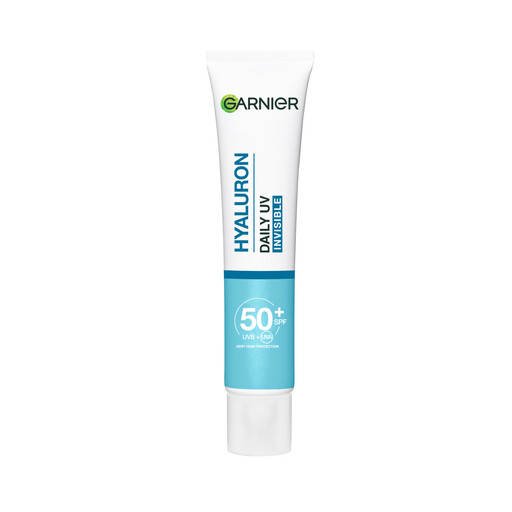
Why This Fits Their Persona: A compact daily UV fluid for shoppers wanting high protection with a simple morning routine before work, commuting or make-up.
Its sheer fluid format is designed to avoid a heavy, sticky layer, while the listed SPF50+ coverage includes UVB, UVA and long-UVA protection.
Contains glycerine, sodium hyaluronate and Ceramide NP; the 40ml fluid is described as non-greasy and non-sticky.
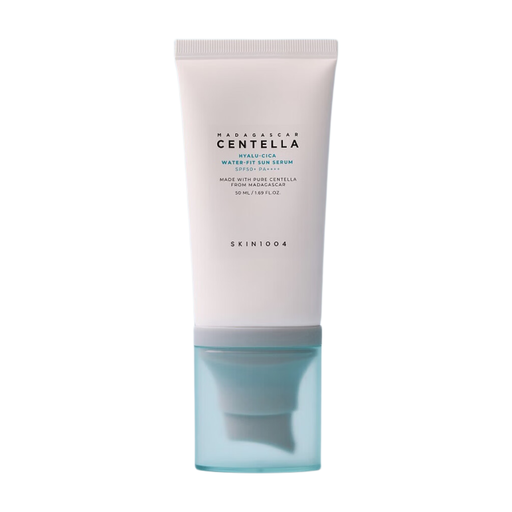
Why This Fits Their Persona: Suitable for shoppers who prefer a Korean sunscreen with a serum-like texture that layers neatly into a considered skincare routine.
The water-fit formula is described as non-sticky and clear after application, reducing the risk of a visible white cast.
Lists SPF50+ PA++++, hyaluronic acid, niacinamide and Centella Asiatica; the formula is listed without fragrance or essential oils.
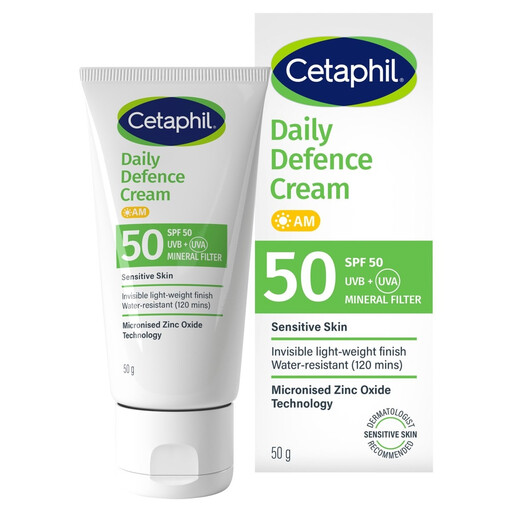
Why This Fits Their Persona: A practical choice for people who spend longer periods outdoors and want a mineral facial sunscreen with stated water resistance.
The product information specifies micronised zinc oxide and up to 120 minutes of water resistance, rather than relying only on texture-led claims.
Fragrance-free, vegan and designed with a non-greasy finish; the 50g format is suitable for regular face and neck use.
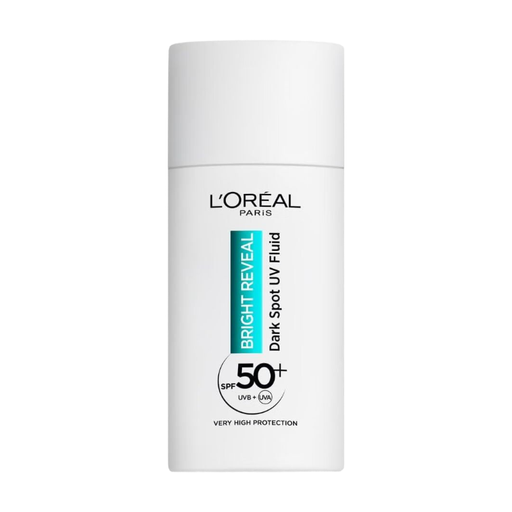
Why This Fits Their Persona: Designed for shoppers seeking an invisible daily face sunscreen that can sit beneath make-up and complement a brightening-focused routine.
Its fragrance-free, dye-free fluid is described as lightweight and non-greasy, with a finish intended to work under make-up.
Provides broad-spectrum SPF50 protection and contains ascorbyl glucoside and tocopherol; the 50ml fluid can also be used as a sunscreen primer.
We have compiled a complete, real-time list of products that fully satisfy these strict selection criteria and UK safety regulations.
Apply sunscreen as the final step of your morning skincare routine, after moisturiser if required and before make-up. Spread it across the face, neck and ears rather than concentrating only on the cheeks or forehead.
Allow a fluid or sunscreen primer to settle before foundation. During outdoor activities, reapply according to the label, particularly after sweating, swimming or towelling. Keep the container closed and store it away from excessive heat and direct sunlight. Check the packaging for the latest ingredient list, batch details and usage period after opening.
Yes. SPF50 is suitable for daily facial use when you expect daylight exposure, including commuting and outdoor errands. Apply enough product and combine it with shade, clothing and sunglasses when UV exposure is strong.
There is no universal time period that applies to every situation. Reapply during prolonged outdoor exposure and after sweating, swimming or towel drying. If you use a sunscreen stick, make several even passes rather than assuming one quick application provides full coverage.
Some hydrating sunscreen formulas can be comfortable enough to use instead of a separate morning moisturiser, while fluid products may sit smoothly beneath make-up. This depends on your skin type and the product’s finish. Apply the required amount of sunscreen first; do not reduce the quantity simply to make make-up look smoother.