
24/7 Customer Support

Free returns

Same-day & Next-day Delivery

Quality Guaranteed

Unlock Your Welcome Offers: FREE Delivery | Up to 80% OFF | Free 30-day JoyPlus trial
Download the APP
A facial sunscreen SPF50 is useful well beyond summer holidays. UVA rays can pass through clouds and windows, while UVB exposure is a concern during brighter days. The right face sunscreen should therefore be comfortable enough for everyday wear, compatible with your skin type and applied in a quantity that delivers the labelled protection.
However, choosing between fluids, creams, tinted formulas and brightening products can be confusing. Marketing language may also hide practical drawbacks. Here are the main buying traps to avoid.
SPF mainly indicates UVB protection, which is associated with sunburn. For broader daily facial sun protection, also look for a stated UVA rating, a UVA logo, broad-spectrum wording or a PA rating such as PA+++ or PA++++.
No sunscreen blocks every ray. Hats, sunglasses, shade and avoiding prolonged midday exposure remain important, particularly during outdoor activities.
A formula can offer high protection but still be unsuitable if it feels sticky, pills under foundation or leaves unwanted shine. This often leads to using too little or skipping reapplication.
Lightweight sunscreen fluids are generally practical for commuting and layering. Those with dry skin may prefer a more moisturising texture, while oily or blemish-prone skin may look for a non-greasy facial sunscreen with a matte or dry-touch finish.
Ingredients such as niacinamide, vitamin C derivatives, hyaluronic acid and anti-dark-spot complexes may support a particular skincare routine, but they do not replace sunscreen or guarantee a specific cosmetic result. Read the ingredient list and product directions rather than relying only on phrases such as “brightening” or “anti-ageing”.
For regular UK use, SPF50 or SPF50+ offers a high level of labelled UVB protection when applied correctly. Check that the product also identifies UVA protection. PA++++ is a high UVA rating used on some imported products, while the UVA circle is commonly recognised on products sold in the UK.
Apply generously to the face, ears, neck and other exposed areas. A commonly used guide is approximately two finger lengths for the face and neck, although the packaging directions should take priority.
A face fluid is often easier to spread evenly than a thick cream. Look for descriptions such as fast-absorbing, non-sticky, invisible finish or non-comedogenic, but remember that individual skin can react differently.
If you wear foundation, allow sunscreen to settle before applying make-up. A tinted face sunscreen can reduce the need for a separate base, but the tint should not encourage you to apply less product.
Sensitive skin may benefit from a simple, fragrance-free formula, although “suitable for sensitive skin” is not a guarantee that irritation will not occur. Patch testing a new product is sensible, especially if your skin is reactive.
For blemish-prone skin, formulas containing niacinamide, salicylic acid or mattifying powders may suit some routines. For dryness, glycerin, hyaluronic acid and other moisturising ingredients can be useful. Always check the current packaging because ingredient lists may change.
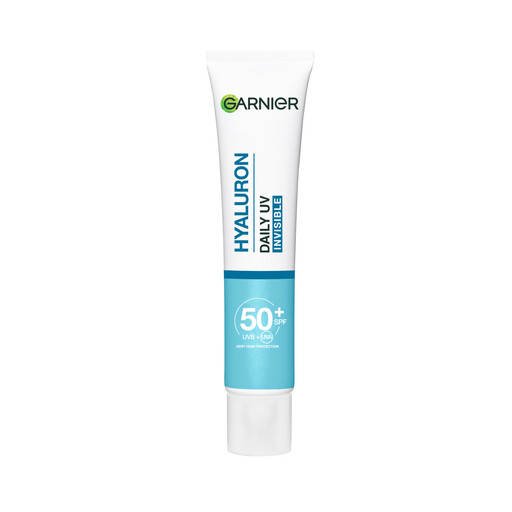
Why This Fits Their Persona: A practical starting point for commuters wanting a lightweight daily fluid that can sit over a day cream before work or make-up.
Its fluid format is positioned as non-greasy and non-sticky, helping reduce the temptation to under-apply because of a heavy feel.
SPF50+ protection, hyaluronic acid, glycerin and ceramide NP; the formula is listed as vegan and suitable for all skin types.
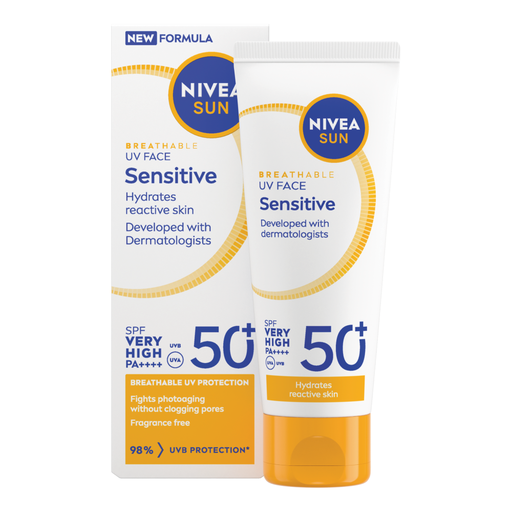
Why This Fits Their Persona: Suits shoppers prioritising a sensitive-skin-focused formula for regular urban use, including days when the skin feels dry or reactive.
The product information specifies a lightweight, non-greasy and non-comedogenic formula, rather than relying only on a high SPF number.
SPF50+, PA++++, panthenol, glycerin and a vegan formula; the listed finish is invisible and designed for layering under make-up.
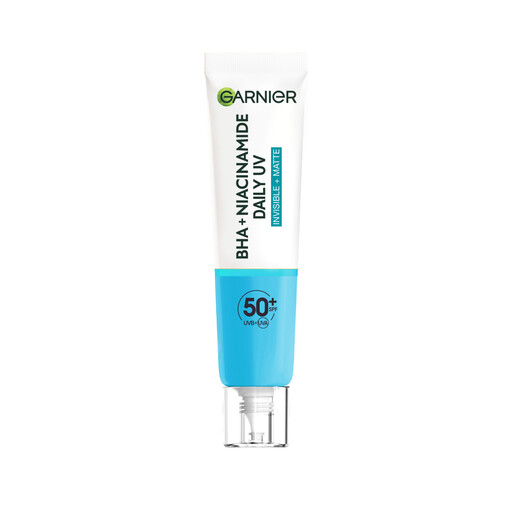
Why This Fits Their Persona: Designed for people who want a daily SPF50 fluid with an invisible matte finish for office hours, commuting and make-up-free wear.
The listed non-sticky, non-greasy texture and fragrance-free formula address common reasons for avoiding daily application.
SPF50+ protection against UVA, UVB and long UVA rays; includes niacinamide, salicylic acid and mattifying silica.
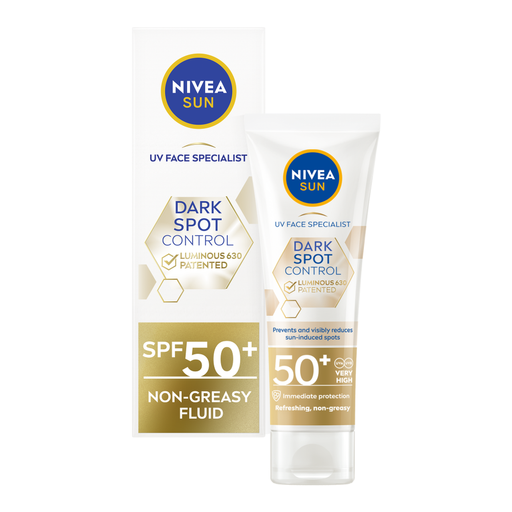
Why This Fits Their Persona: A suitable option for shoppers combining daily UVA and UVB protection with a lightweight product focused on the appearance of uneven tone.
It combines the dark-spot-focused positioning with clearly listed high UV protection, so the product is not being selected on a brightening claim alone.
SPF50+ UVA/UVB protection, a fast-absorbing fluid texture and hyaluronic acid and vitamin E in the listed formula.
We have compiled a complete, real-time list of products that fully satisfy these strict selection criteria and UK safety regulations.
A 40ml tube is portable and convenient, but frequent application means it may not last as long as expected. Treat the printed shelf-life and period-after-opening information as the reference, and replace the product if its texture, colour or smell changes.
Yes, many people use SPF50 or SPF50+ face sunscreen as part of their morning routine, including on cloudy days. Select a texture you can apply generously and reapply when outdoors. UVA and UVB protection, rather than SPF alone, should guide your choice.
Most lightweight facial fluids can be worn under make-up when applied evenly and allowed to settle. A non-greasy or invisible formula may reduce pilling, while a tinted face sunscreen can add light coverage. Always apply enough sunscreen first; mixing it with foundation can reduce the intended protection.
There is no fixed lifespan because usage varies. Daily application to the face and neck, followed by reapplication outdoors, will use a tube faster than occasional use. Check the expiry or period-after-opening guidance on the packaging and store the product away from excessive heat and direct sunlight.