
24/7 Customer Support

Free returns

Same-day & Next-day Delivery

Quality Guaranteed

Unlock Your Welcome Offers: FREE Delivery | Up to 80% OFF | Free 30-day JoyPlus trial
Download the APP
Facial tissues are inexpensive household essentials, but choosing the wrong pack can create recurring problems: sheets that tear during use, fibres left on damp skin, or a large bundle that is awkward to store. The right option depends on how and where you use it, not simply on the number of sheets shown on the front of the packaging.
This guide explains the main buying pitfalls, the specifications worth checking and suitable options for different UK households, from commuters and parents to families preparing for the cold season.
A large number on the pack does not always mean lower cost per use. Compare the total sheet count, number of layers and pack format. A family pack may be economical for a household, while several smaller packs could be more practical if you need tissues in different rooms, bags or vehicles.
Also check whether the advertised quantity refers to individual sheets or pocket packs. “Eight-pack”, for example, may mean eight small packs rather than eight tissues.
Very soft paper can be comfortable for wiping, but it may not hold together when damp. If you use tissues for wet hands, make-up removal, light cleaning or wiping a child’s face, look for descriptions that specify wet-use performance, tear resistance or low lint.
For ordinary nose and face wiping, 2-ply tissues may be sufficient. 3-ply tissues generally provide an additional layer for handling and absorption, although thickness alone does not guarantee a particular performance.
Fragrance and balsam-style lotions may not suit everyone, particularly people who prefer fragrance-free products or are sensitive to cosmetic ingredients. Check the product information rather than relying on phrases such as “gentle” or “skin-friendly”.
Material also matters. Wood pulp, bamboo fibre, cotton and plant-based cellulose have different textures and intended uses. A product described as hypoallergenic or suitable for sensitive skin should still be checked against its stated ingredients and warnings.
Ply refers to the number of tissue layers. Two-ply options can be convenient for general household use, while 3-ply or 4-ply formats may feel more substantial for frequent wiping or travel.
If wet use is important, look for specific information such as “wet and dry tissues”, “remains intact when damp” or “lint-free when wet”. Do not flush facial tissues unless the packaging and local wastewater guidance explicitly permit it. Most should be placed in a household bin.
For people looking for soft facial tissues, compare the stated fibre and added ingredients:
Terms such as FSC certification or responsibly sourced fibres relate to sourcing claims. They should be considered alongside packaging materials, quantity and disposal guidance rather than treated as a complete sustainability assessment.
Boxed tissues work well beside a bed, desk or sofa, while pocket tissues are suited to school bags, handbags, coat pockets and commuting. Measure your storage space if you plan to use a tissue dispenser.
For value comparisons, calculate the approximate number of sheets per pack and total sheets per bundle. A smaller pack can reduce moisture exposure after opening, whereas family pack tissues reduce the need for frequent reordering but require dry storage.
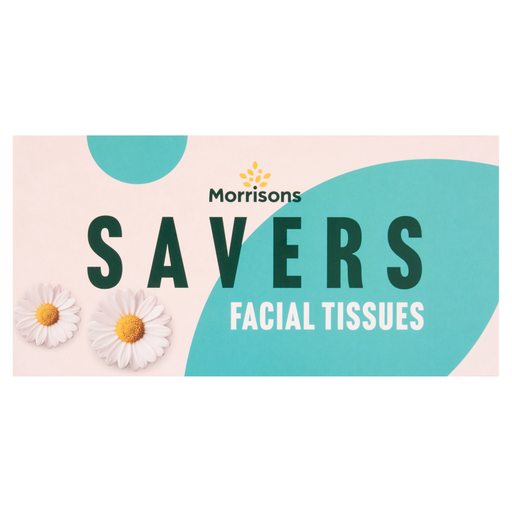
Why This Fits Their Persona: The 180-sheet pack suits flats, student rooms, offices and smaller households that want a straightforward everyday option without buying a large bundle.
Its stated fragrance-free, 2-ply format makes the material and intended everyday use clear, rather than relying on a vague softness claim.
180 sheets per pack; FSC-certified paper is stated in the product information.
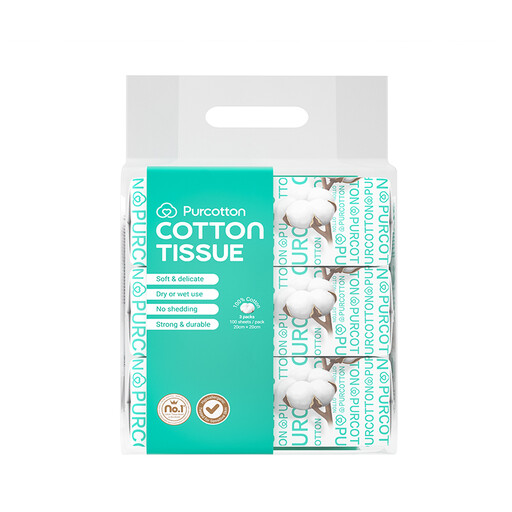
Why This Fits Their Persona: This option is suited to households wanting a cotton-based product for facial cleansing, baby care and travel, with the flexibility to use sheets dry or damp.
The listing identifies 100% cotton and states that the product is free from brighteners and fragrances, helping shoppers compare ingredients more directly.
300 sheets across three packs; suitable for wet and dry use according to the product information.
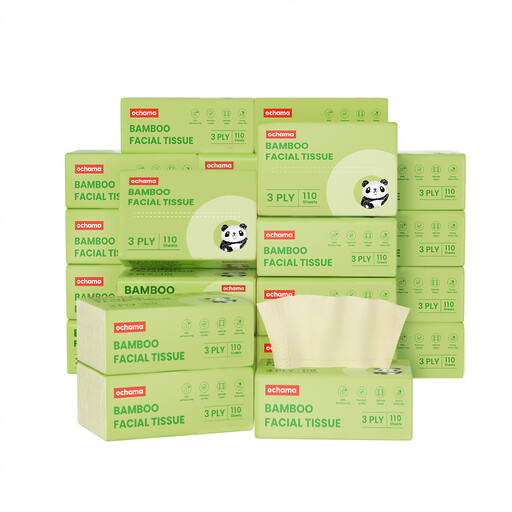
Why This Fits Their Persona: The 24-pack family format is practical for busy UK homes, shared bathrooms, bedrooms and regular everyday wiping.
The listing states 3-ply construction, unbleached bamboo pulp and wet-use suitability, addressing material transparency and wet-tearing concerns.
2640 sheets in 24 packs; FSC certification and unbleached bamboo pulp are stated in the product details.
We have compiled a complete, real-time list of products that fully satisfy these strict selection criteria and UK safety regulations.
They can be useful when you want a thicker sheet for frequent wiping, stronger handling or additional absorbency. However, 2-ply tissues may be adequate for light everyday use. Compare the full pack quantity and sheet dimensions as well as ply.
Some products are specifically described as suitable for wet and dry use, including certain cotton, bamboo and plant-cellulose formats. Conventional facial tissues may break apart when damp. Check the product instructions and dispose of used sheets in a bin rather than flushing them.
A single household pack may last from several days to many weeks depending on the number of users and frequency of use. Families, allergy-season users and carers may benefit from family pack tissues, while pocket tissues help avoid opening a large pack when only occasional use is needed.