
24/7 Customer Support

Free returns

Same-day & Next-day Delivery

Quality Guaranteed

Unlock Your Welcome Offers: FREE Delivery | Up to 80% OFF | Free 30-day JoyPlus trial
Download the APP
Facial tissues are a small household purchase, but the wrong pack can create unnecessary waste and discomfort. A low sheet count may run out during a cold, while heavily scented paper may not suit everyone. Tissues that feel soft when dry can also tear when damp, leaving you reaching for several sheets at once.
As the Joybuy Product Recommendation Officer, I filter out vague marketing language and focus on the details that affect everyday use. Whether you need soft facial tissues for the bedside table, pocket tissues for commuting or family-size tissue packs for a busy home, these checks can help you compare products more sensibly.
“Soft” does not automatically mean durable. A single-ply or loosely bonded sheet may feel light but tear during use. If you regularly need tissues for runny noses, wiping children’s faces or cleaning small spills, check the ply count and material description. Two-ply tissues generally provide a practical balance between flexibility and strength, while three- or four-ply options may offer a thicker feel.
A floral scent or lotion may appeal to some shoppers, but it is not suitable for every household. People who prefer fragrance-free products should check the packaging for added perfume, balsam, aloe or lotion. “Hypoallergenic” and “dermatologically tested” are product descriptions rather than guarantees that every individual will tolerate a tissue. Stop using any product that causes discomfort and follow the label guidance.
A cheaper-looking box may contain fewer sheets, or a pocket tissue bundle may include several small packs with a low sheet count per pack. Compare price per 100 sheets where possible. Also consider whether you need compact portability or a larger supply for a fixed location. A family-size box can reduce restocking, while pocket tissues avoid carrying a full rectangular box.
For regular home use, look at total sheets as well as the number of boxes or packs. A 180-sheet family-size box can be suitable for a living room, bedroom or office. Smaller boxes may work better in a car or on a desk. Pocket tissues are convenient for handbags, coat pockets and school bags, but their individual pack size means the total number of sheets can vary considerably.
Ply refers to the number of paper layers bonded together. Two-ply facial tissues are common for everyday wiping, while thicker formats may feel more substantial. However, facial tissues are not the same as kitchen roll. Kitchen roll is designed for household spills and surface wiping; facial tissues are intended primarily for the face and light personal use.
Do not flush facial tissues, disposable face towels or kitchen roll unless the packaging specifically states that the product is suitable for your local plumbing system. Even then, follow the instructions carefully. Used tissues should normally go in a household waste bin.
Look for clear material and sourcing details. FSC-certified tissues indicate that the paper comes from sources covered by the Forest Stewardship Council certification system; check the packaging for the relevant mark and licence information. Some products use virgin wood pulp, cotton or non-woven materials, and these should not be treated as interchangeable.
Cotton facial tissues and disposable face towels may be suitable for shoppers looking for a thicker, wet-and-dry format, but they should be disposed of in the bin rather than flushed. Keep all paper products dry, particularly in bathrooms, kitchens and car interiors.
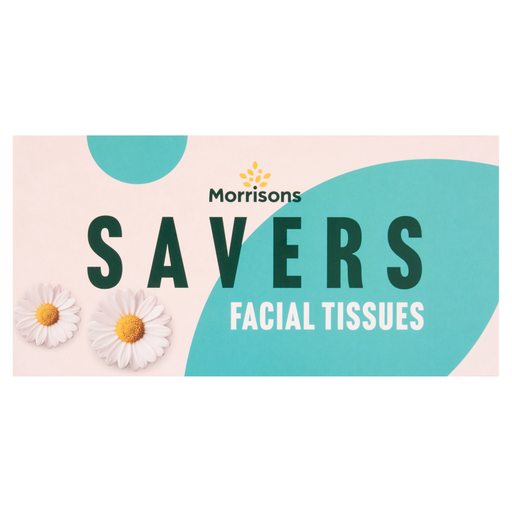
Why This Fits Their Persona: The 180-sheet box is suited to UK households wanting a straightforward supply for daily use without relying on multiple small packs. Its rectangular format also fits desks, shelves and standard tissue holders.
The listed 2-ply structure and 180-sheet count make strength and quantity easier to assess than a vague “value” claim. The product is described as fragrance-free and hypoallergenic; check the current pack before purchase.
2-ply paper; 180 sheets per box; FSC-certified paper is listed; compact box design for home, office or car storage.
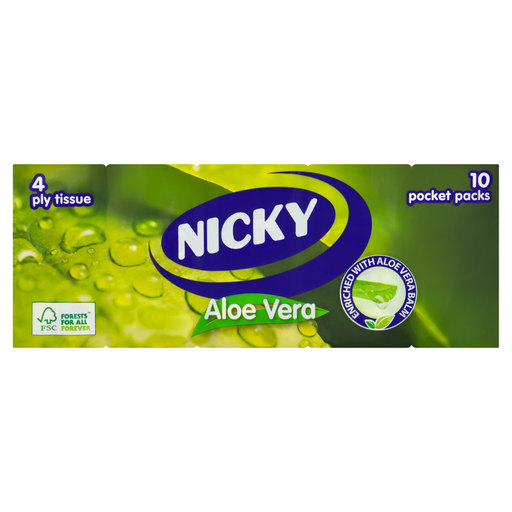
Why This Fits Their Persona: Commuters, office workers and parents can distribute the ten pocket packs between bags, coat pockets, cars and desk drawers. The 4-ply format offers a thicker hand feel in a portable design.
The stated 4-ply construction addresses the risk of choosing a thin tissue solely because it is soft. The aloe balsam feature is clearly disclosed, allowing fragrance- or lotion-sensitive shoppers to decide whether it suits them.
Four-ply tissue; ten pocket packs; aloe balsam; FSC-certified sourcing is listed by the product description.
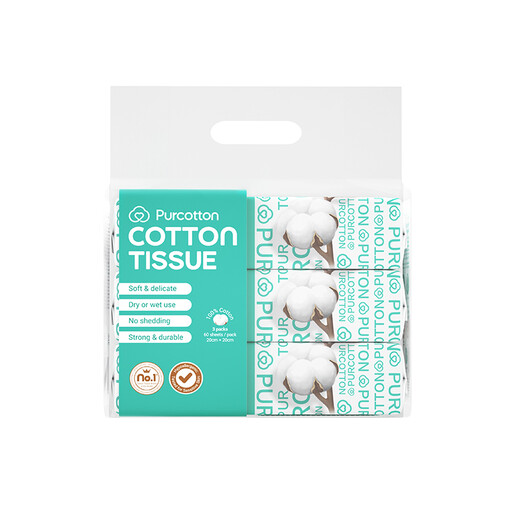
Why This Fits Their Persona: This wet-and-dry format may suit shoppers who want a thicker alternative to conventional paper tissues for facial cleansing, make-up removal or baby-care routines at home.
The material is identified as cotton rather than leaving shoppers to infer composition from “premium” wording. It is also labelled for single use and disposal in the bin, preventing confusion with flushable toilet tissue.
100% cotton material listed; 180 sheets across three packs; suitable for dry or damp use; no fragrance or optical brighteners listed.
We have compiled a complete, real-time list of products that fully satisfy these strict selection criteria and UK safety regulations.
Facial tissues are only one part of a practical household paper cupboard. Consider toilet tissue separately, since bathroom rolls prioritise roll dimensions, ply and plumbing guidance. Kitchen roll is more appropriate for grease and surface spills. Disposable face towels may offer greater wet strength, while cotton facial tissues provide a non-paper alternative for particular routines.
For offices and study areas, a box of 150–180 sheets can reduce interruptions. For allergy or cold-season shopping, compare fragrance-free options and keep spare packs in frequently used rooms. Always check the latest packaging for sheet count, disposal instructions, certifications and material details before ordering.
Generally, no. Facial tissues are made to retain strength when wet and can contribute to blockages. Put used facial tissues, disposable face towels and kitchen roll in a bin unless the product packaging specifically gives different instructions. Toilet tissue is designed for a separate use and should not be substituted with facial tissue.
Dry, unopened tissues can usually be stored for a considerable period, but the precise shelf-life guidance varies by product. Keep packs in a cool, dry place away from direct sunlight, high humidity and strong odours. Discard any tissue that has become damp, discoloured or contaminated.
They may not suit everyone. Scented facial tissues contain fragrance, whereas fragrance-free products avoid added perfume. Check the ingredient or feature information and choose according to your household’s preferences. If irritation occurs, discontinue use and seek appropriate medical advice where necessary.