
24/7 Customer Support

Free returns

Same-day & Next-day Delivery

Quality Guaranteed

Unlock Your Welcome Offers: FREE Delivery | Up to 80% OFF | Free 30-day JoyPlus trial
Download the APP
Facial tissues are a small household purchase, but the wrong box can quickly become wasteful. Thin sheets may tear during use, scented varieties may not suit everyone and a seemingly generous pack can contain fewer sheets than expected. During cold and flu season, frequent nose wiping can also make softness and tissue surface feel more important than they are for occasional everyday use.
Before adding a product to your basket, watch for three common buying traps:
Ply refers to the number of layers in each tissue. Two-ply facial tissues can be suitable for light everyday use, while 3-ply tissues provide an additional layer for handling, absorbency and general wiping. Four-ply products may offer a more substantial feel, but they can also cost more per sheet.
Sheet dimensions are worth checking when tissues will be used for spills, children’s messes or frequent nose wiping. A larger sheet may be more practical for household clean-ups, whereas a compact format works well beside a bed, on a desk or in a car.
Do not assume that a thicker tissue is suitable for every purpose. For basic hand or face wiping, a 2-ply option may meet your needs. For heavier use, compare both ply and the stated sheet quantity.
For everyday comfort, look for descriptions such as soft facial tissues, low-lint construction or gentle-touch materials. If the tissues are intended for repeated nose wiping, products with balsam, aloe vera, Vitamin E or moisturising ingredients may offer a smoother feel.
Balsam tissues and moisturising tissues are not identical. Balsam products usually leave a protective-feeling layer on the skin, while lotion tissues contain moisturising ingredients designed to make the paper feel smoother. Review the ingredient information and discontinue use if irritation occurs.
Fragrance is another practical consideration. Cologne-scented tissues can be appealing for general use, but unscented or fragrance-free tissues may be a more suitable choice for households that prefer a neutral product. A product described as hypoallergenic or dermatologically tested should still be checked against its listed ingredients if you have known sensitivities.
A boxed facial tissue pack is convenient for living rooms, offices, bathrooms and bedside tables. A cube tissue box takes up less conventional shelf space and can look neat on a desk or side table. Pocket-sized or compact boxes are useful for commuting and travel.
For larger households, compare family pack tissues by total sheet count, not simply the number of boxes. The ochama bamboo pack, for example, contains 24 packs of 110 sheets, while its wood-pulp family pack contains 24 packs of 150 sheets.
Sustainability claims should be specific. Look for details such as FSC certification, responsibly sourced fibres, bamboo pulp, recycled content or recyclable packaging. FSC certification relates to the sourcing of forest-based materials; it does not automatically mean that every part of the packaging is recyclable.
Used facial tissues should generally go into a household waste bin rather than the toilet. Even tissues marketed for wet use can contribute to blockages and local plumbing systems vary. Follow the packaging instructions and keep plastic wrapping away from young children and pets.
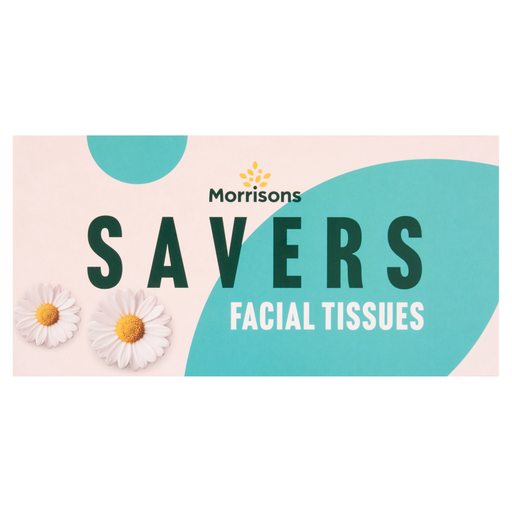
Why This Fits Their Persona: A practical 180-sheet box suits everyday use in UK homes, offices or cars without committing to a large bulk case.
The listed 2-ply construction and 180-sheet count make the format clear, while the fragrance-free description avoids uncertainty about added scent.
FSC-certified paper, hypoallergenic and dermatologically tested according to the supplied product information.
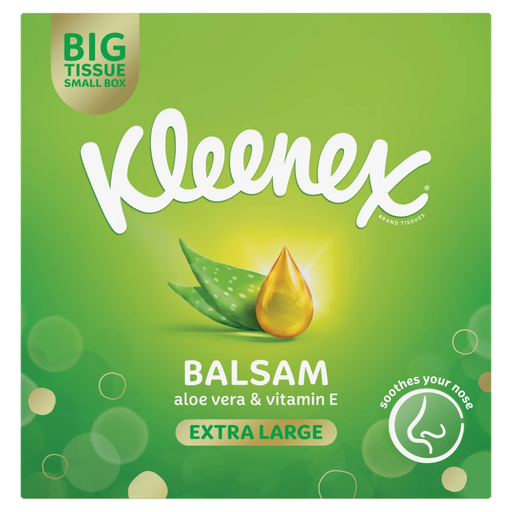
Why This Fits Their Persona: A suitable option for shoppers prioritising a soft, soothing-feeling tissue for frequent nose wiping during colds, allergies or winter use.
The product description identifies Aloe Vera, Vitamin E and a protective balm, so the added ingredients are not hidden behind a general softness claim.
Extra-large sheets and a compact single-box format; the listed product features focus on softness for sensitive noses.
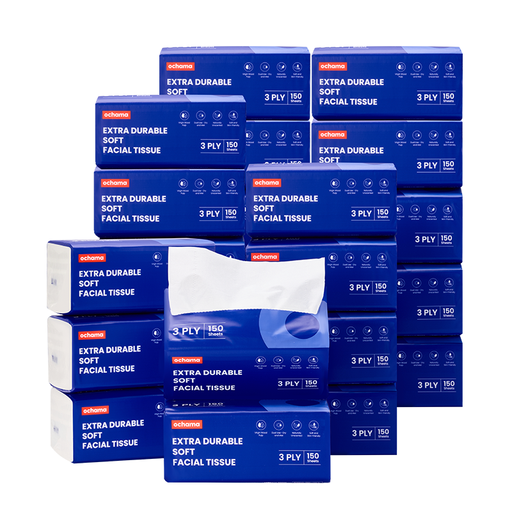
Why This Fits Their Persona: The 24-pack family format is designed for busy households, shared spaces, carers and shoppers who prefer to replenish less often.
The total quantity, sheets per pack and 3-ply specification are clearly stated, making bulk value easier to compare.
3,600 sheets in total, made from virgin wood pulp, with stated wet-tear resistance and low-fluff performance.
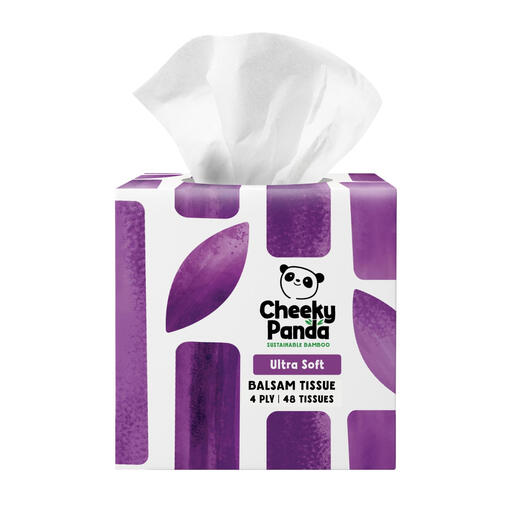
Why This Fits Their Persona: A compact cube suits desks and bedside tables, while bamboo and plastic-free packaging appeal to shoppers considering material and packaging choices.
Its material and packaging claims are specific: FSC-certified bamboo, biodegradable tissue and plastic-free construction.
4-ply construction, aloe vera, PFAS-free description and recyclable card packaging.
We have compiled a complete, real-time list of products that fully satisfy these strict selection criteria and UK safety regulations.
Use this checklist when comparing facial tissues online:
They can be useful when you want additional thickness, strength or absorbency, particularly for frequent wiping and household clean-ups. For light everyday use, 2-ply facial tissues may be sufficient. Compare the price per 100 sheets rather than judging value from ply alone.
Balsam tissues are designed with added ingredients that create a softer or more protective-feeling surface. However, individual reactions vary. Check the ingredient list, especially if you have known sensitivities and stop using the product if irritation occurs. Plain, fragrance-free tissues may be preferable for some households.
When kept sealed in a cool, dry place, many products list a shelf life of around three years, although the packaging should be treated as the final source of information. Avoid storing tissue boxes in damp bathrooms or near sinks, as humidity can affect paper softness and dispensing.