
24/7 Customer Support

Free returns

Same-day & Next-day Delivery

Quality Guaranteed

Unlock Your Welcome Offers: FREE Delivery | Up to 80% OFF | Free 30-day JoyPlus trial
Download the APP
Facial tissues are a household essential, but choosing the right pack is not always straightforward. A low price may hide a small sheet count, while attractive claims such as “extra soft” or “strong” do not always explain the material, ply or intended use.
For UK households, families, commuters and office workers, the right choice depends on where the tissues will be used and how frequently they will be needed. A compact pack may suit a handbag, while a large box of tissues can be more practical for a shared living room or during cold and allergy seasons.
A family pack may contain hundreds or thousands of sheets, but packs can vary considerably in sheet size, ply and thickness. Compare the total sheet count, number of packs and sheet dimensions rather than relying only on the number printed on the front.
A pack with 150 smaller sheets may not provide the same usable coverage as one with 110 larger sheets. Price per sheet is a useful starting point, but also consider whether the tissue is suitable for the intended task.
2-ply, 3-ply and 4-ply facial tissues contain different numbers of paper layers. More layers can offer added structure and absorbency, but ply alone does not guarantee softness or wet strength. Manufacturing method, fibre type and sheet size also affect handling.
For everyday face and hand use, 2-ply may be sufficient. If tissues are used frequently for runny noses, small spills or damp wiping, 3-ply or 4-ply may provide a more substantial feel.
Scented tissues can be pleasant for some users, but fragrance is not suitable for everyone. People with sensitive skin or noses may prefer unscented tissues, while lotion tissues or aloe vera tissues may offer a smoother surface during frequent wiping.
Always check the product description and ingredients. A tissue described as soft is not automatically fragrance-free, and a lotion tissue is not the same as a medical or therapeutic product.
Common materials include virgin wood pulp, bamboo pulp and cotton-based nonwoven fabric. Virgin wood pulp is widely used for conventional facial tissues, while bamboo facial tissues may appeal to shoppers looking for an alternative plant fibre.
If sustainability is important, look for a clearly stated certification such as FSC-certified tissues. Certification relates to the sourcing standard identified by the product or packaging; it should not be confused with a guarantee that every part of the packaging is recyclable.
Check the number of layers and the stated dimensions. A larger sheet may be more useful for wiping hands or cleaning a small surface, while a smaller format can be convenient beside a bed or in an office drawer.
Facial tissues are designed for single use. Even when a product description says it can be used damp, dispose of it in a bin rather than flushing it. UK plumbing systems vary, but ordinary facial tissues can contribute to blockages.
Choose between:
Keep unopened packs in a cool, dry place. Humidity can affect the feel and pull-out performance of paper products, particularly in bathrooms.
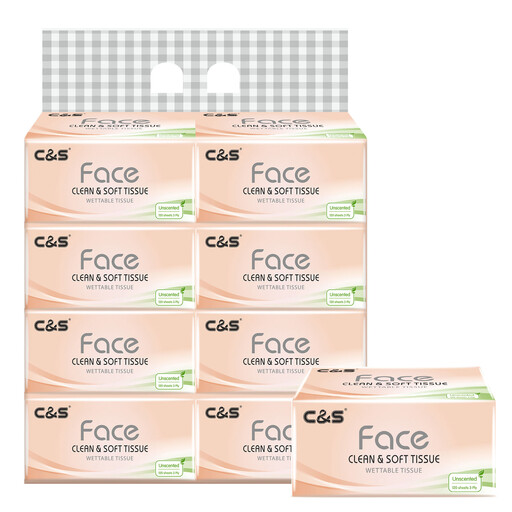
Why This Fits Their Persona: Eight packs of 120 sheets provide a straightforward household supply for bedrooms, desks and shared living areas.
The listing states the ply, pack count and total sheet count clearly, while the unscented format avoids an unwanted fragrance.
3-ply construction; 960 sheets in eight packs; pull-out packaging; made from stated virgin wood pulp.
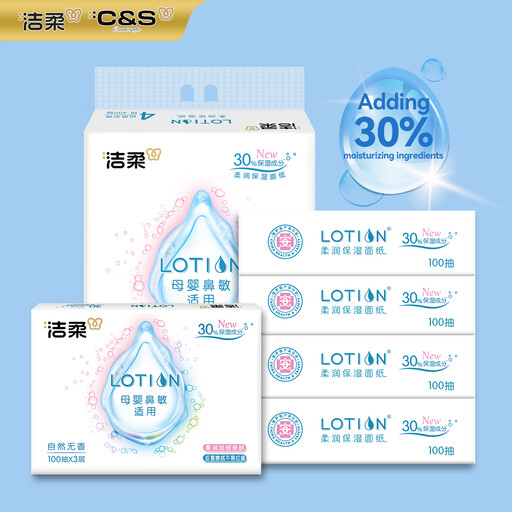
Why This Fits Their Persona: A lotion tissue format may suit shoppers who prefer a smoother-feeling sheet for repeated everyday use.
The product information identifies the added moisturising cream ingredients, so shoppers can make an informed choice instead of assuming the tissue is untreated.
3-ply format; 400 sheets across four packs; stated fragrance-free and optical-brightener-free specification.
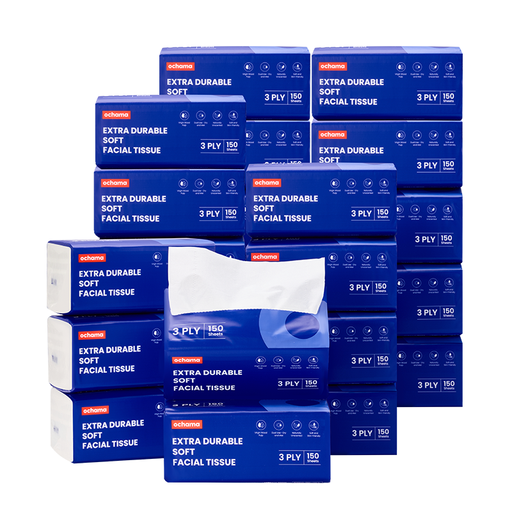
Why This Fits Their Persona: The 24-pack family format is suited to busy households, shared offices or periods when tissues are used frequently.
The listing provides the complete quantity, sheet size and 3-ply specification rather than relying only on a general softness statement.
3,600 sheets; 150 sheets per pack; stated virgin wood pulp; designed for dry or damp everyday wiping.
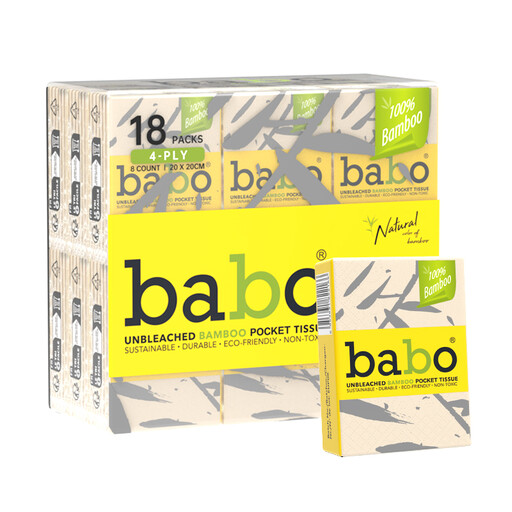
Why This Fits Their Persona: Mini packs are easy to keep in a coat pocket, backpack, handbag or car for commuting and outdoor activities.
The pack is clearly identified as unbleached and fluorescent-free, helping shoppers distinguish material details from vague eco-style packaging.
4-ply construction; 18 mini packs; bamboo pulp; stated wet strength and lint-free handling when wet.
We have compiled a complete, real-time list of products that fully satisfy these strict selection criteria and UK safety regulations.
They can be useful when you want a balance of softness, structure and absorbency. However, compare sheet size, material and price as well as ply. A 2-ply tissue may suit light everyday use, while 3-ply or 4-ply options may be more suitable for frequent wiping or small clean-ups.
Look for unscented tissues and check whether the product contains lotion, balm or added fragrance. Softness is subjective, so the material and ingredient information are important. If a product causes discomfort, discontinue use.
This depends on household size and daily use. A single box may suit an office desk or bedside table, while a family pack with several boxes or soft packs reduces the need for frequent restocking. Store spare packs in a dry cupboard to help preserve their texture.