
24/7 Customer Support

Free returns

Same-day & Next-day Delivery

Quality Guaranteed

Unlock Your Welcome Offers: FREE Delivery | Up to 80% OFF | Free 30-day JoyPlus trial
Download the APP
Buying facial tissues and paper napkins seems straightforward until a thin tissue tears during a cold, a scented sheet irritates sensitive skin or a party pack runs out before guests have finished eating. Marketing often focuses on softness, sustainability or attractive packaging, but the useful details are usually the sheet count, ply, dimensions, material and intended use.
This guide highlights common buying traps, explains the specifications that matter and matches selected products to different UK household and event needs.
A large-looking bundle may contain several small packs or boxes with fewer sheets than expected. Compare the total sheet count, not just the number of boxes. For example, a family pack containing 16 boxes of 106 sheets provides 1,696 sheets, while a compact cube bundle may contain 24 boxes but only 56 or 70 sheets per box.
For party supplies, also calculate napkins per guest. A 16-pack may suit a small gathering, but a larger family event could need two or more packs, particularly if napkins are used for both serving and cleaning spills.
A floral fragrance can make tissues feel more pleasant to some users, but it is not automatically suitable for everyone. People with fragrance sensitivities should check the ingredients and choose unscented facial tissues where possible. The C&S floral-scented pack, for instance, lists fragrance and possible fragrance allergens such as linalool and limonene, so it may not suit every household.
Facial tissues are designed for light personal wiping, while lunch napkins are intended for food service, hands and small spills. A pocket tissue is convenient on a commute but is not a substitute for a table napkin at a buffet. Likewise, paper napkins should not be used as a rough-surface cleaning cloth unless the packaging specifically permits it.
Ply describes the number of paper layers. Two-ply party napkins offer a balance between lightness and practical handling, while three- or four-ply facial tissues may feel more substantial for frequent use. Ply alone does not determine softness, so also check whether the product is made from virgin pulp, bamboo pulp or cotton-based nonwoven material.
If you need wet and dry tissues, confirm that the product is designed for damp use. Cotton tissues such as the Purcotton range are described as retaining their structure when wet or dry. Standard paper tissues may weaken when damp and should generally be discarded in the bin rather than flushed.
Material labels help narrow down suitable choices:
Terms such as “hypoallergenic”, “sustainable” or “skin-friendly” should be read alongside the full product description and packaging information. These descriptions do not replace personal judgement or medical advice.
Format affects convenience. Pocket tissues belong in handbags, school bags, coat pockets and cars. Boxed tissues are easier to dispense at home, in an office or in hospitality settings. Cube boxes can fit neatly on bedside tables and desks, while soft packs are useful where storage space is limited.
Check the unfolded size of napkins as well. Some lunch napkins measure approximately 33 × 33 cm unfolded, while smaller party napkins may measure 16.5 × 16.5 cm. Store all paper products in a cool, dry place away from moisture and open flames. Used tissues and napkins should not be flushed unless local guidance and the product packaging specifically allow it.
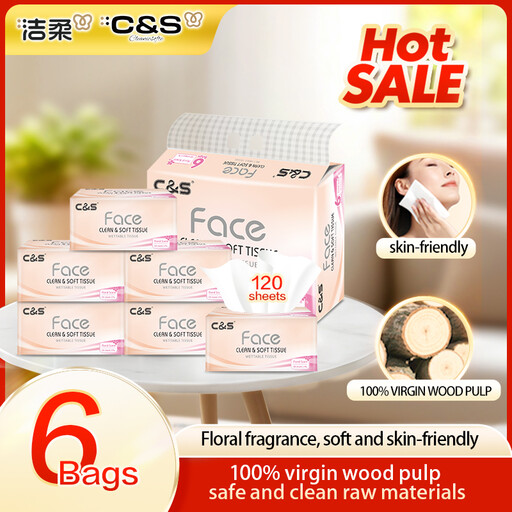
Why This Fits Their Persona: A six-pack family format provides a substantial household supply for everyday wiping, hand cleaning and general home use.
The listing states the total quantity clearly: 120 sheets per pack and six packs, helping shoppers compare usable supply rather than pack appearance.
Three-ply construction; 720 sheets in total; made from 100% virgin wood pulp. Note that it contains floral fragrance.
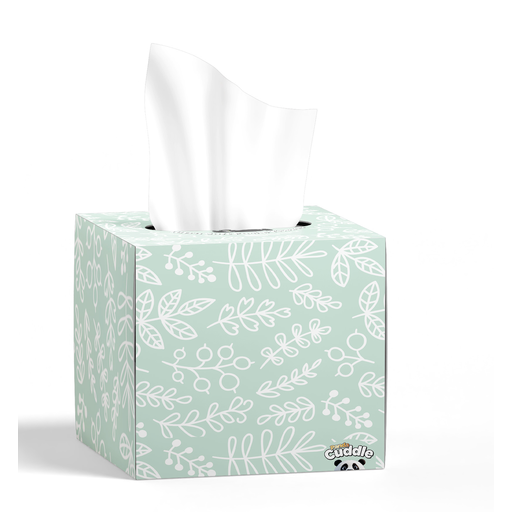
Why This Fits Their Persona: The compact cube format suits bedrooms, desks, cars and hospitality spaces where presentation and easy dispensing matter.
The unscented format avoids the assumption that fragrance is necessary for a comfortable facial tissue.
Three-ply sheets; 24 cube boxes; 100% virgin pulp; unscented and described as lint-free.
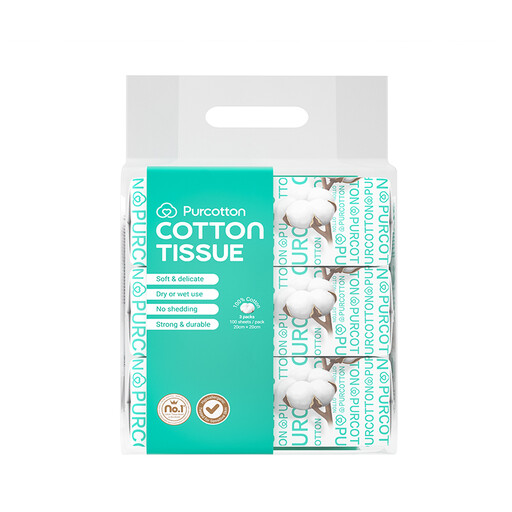
Why This Fits Their Persona: Suitable for shoppers needing a reusable-in-use format that can be dampened for facial cleansing, travel, baby care or household tasks.
Its stated dry-and-wet use helps avoid using ordinary paper tissues for tasks where they may break apart when moistened.
100% cotton; fragrance- and brightener-free according to the listing; 300 sheets across three packs.

Why This Fits Their Persona: A 20-pack is practical for a small football gathering, match-day buffet, children’s birthday or family get-together.
The pack count and unfolded size are stated, reducing the risk of ordering a visually appealing design that is too small for the table.
Two-ply FSC-certified paper; 20 napkins; 33 × 33 cm unfolded; football-themed print.
We have compiled a complete, real-time list of products that fully satisfy these strict selection criteria and UK safety regulations.
For birthdays and themed events, design and quantity are usually as important as absorbency. Party napkins, including Pokémon, unicorn, football, Halloween and K-pop party napkins, can coordinate with plates, cups and table covers.
Halloween napkins with bats or black-and-gold spider webs can provide a coordinated table setting, while bright neon or character designs suit birthdays and fan events. Treat sustainability wording carefully: look for specific information such as FSC certification or responsibly sourced forest material rather than relying only on broad “eco” language.
No. Facial tissues are primarily for light personal use, while paper napkins are made for serving food, wiping hands and handling minor table spills. Their size, strength and intended use can differ.
This depends on household usage. Divide the total sheet count by the number of sheets your household uses each day. A family pack with 720 or 1,696 sheets may reduce how often you reorder, but store unopened packs somewhere dry to preserve paper quality.