
24/7 Customer Support

Free returns

Same-day & Next-day Delivery

Quality Guaranteed

Unlock Your Welcome Offers: FREE Delivery | Up to 80% OFF | Free 30-day JoyPlus trial
Download the APP
As a household staple, buying facial tissues seems straightforward. You grab a box off the shelf and the job is done. Yet, many of us have felt the frustration of a tissue that tears at the slightest moisture, feels scratchy on a sore nose or, worse, leaves behind a trail of lint. These seemingly small annoyances point to common purchasing pitfalls that are easy to fall into.
As the Joybuy Product Recommendation Officer, my role is to help you see past the marketing clutter. Before you add another multipack to your basket, let’s look at the frequent traps UK households encounter and how to sidestep them for a smarter purchase.
To ensure you get a product that performs well for your needs, focus on these key technical aspects rather than just the claims on the box.
The raw material dictates a tissue's fundamental characteristics of softness, strength and absorbency.
Ply refers to the number of layers a tissue is made of. While not the only factor, it's a useful indicator of thickness and durability.
Added ingredients can enhance the user experience, but it's crucial to choose the right ones for your needs.
Instead of a one-size-fits-all approach, we've matched some standout options to different household needs.
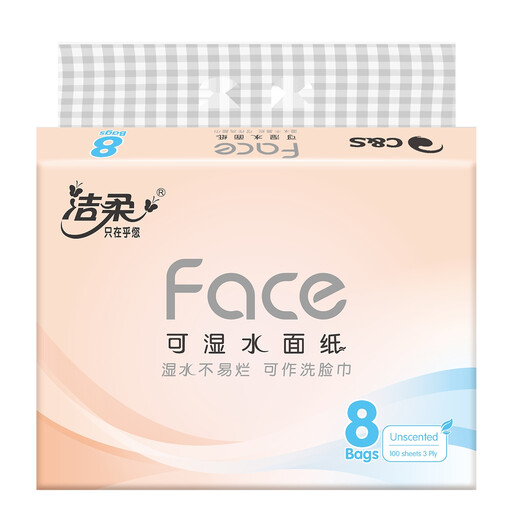
Why This Fits Their Persona: This bulk pack is ideal for families who need a reliable, everyday tissue without a premium price tag. It focuses on core functionality, making it a practical choice for stocking up the pantry and ensuring there's always a pack on hand in the living room, kitchen and bedrooms.
It sidesteps the "Ply-Count Misconception" by delivering a dependable 3-ply tissue that balances softness and strength effectively. As an unscented product, it also avoids the "Sensitive Formula" gamble for general family use.
Excellent value with 800 sheets in total, making it a cost-effective solution for high-usage households. The soft pack design is also easy to store.
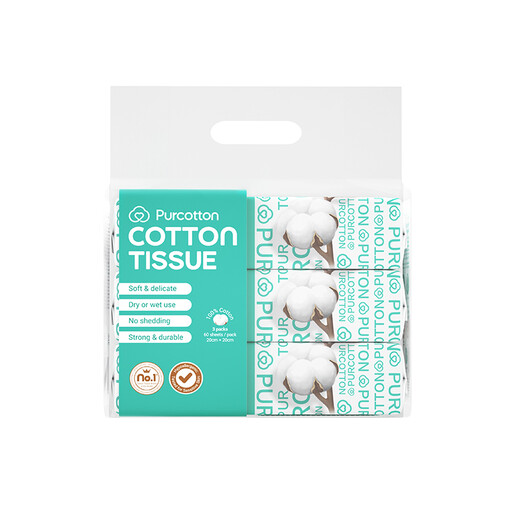
Why This Fits Their Persona: For those with allergies, eczema or highly reactive skin, this product is a game-changer. It's also ideal for parents needing a gentle wipe for babies or for use in a skincare routine, as it can be dampened without falling apart.
It directly counters the "Sensitive Formula" gamble by using 100% cotton with no fragrances, lotions or optical brighteners. It also beats the "Softness vs. Strength" illusion by offering genuine softness and durability when wet.
Hypoallergenic and exceptionally gentle due to its pure cotton material. Its dual wet-and-dry use adds a layer of versatility not found in standard paper tissues.
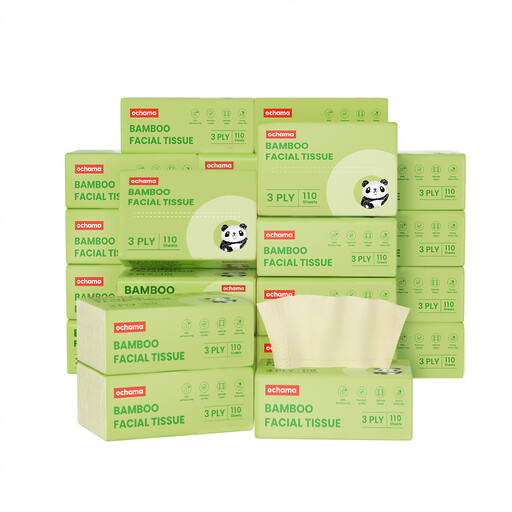
Why This Fits Their Persona: This massive family pack is perfect for those who prioritise sustainability without sacrificing performance or value. The use of 100% virgin bamboo makes it a more renewable choice than traditional tree-based paper, and the bulk quantity reduces packaging waste and shopping frequency.
This product avoids the chemical-heavy processing trap by being unbleached and free of fluorescent whitening agents. Its strong 3-ply construction also proves that eco-friendly tissues can be highly durable.
Made from sustainable bamboo and FSC Certified. The large 24-pack format offers excellent long-term value and convenience.
We have compiled a complete, real-time list of products that fully satisfy these strict selection criteria and UK safety regulations.
No, they should not be used interchangeably. While they may look similar, facial tissues are engineered for strength, especially when wet, and often contain lotions or binders. These properties prevent them from breaking down quickly in water, which can lead to serious plumbing blockages. Toilet paper, on the other hand, is specifically designed to dissolve rapidly upon contact with water, making it safe for UK sewage systems.
'Ply' refers to the number of individual layers of paper that make up a single tissue. For example, a 3-ply tissue is composed of three layers. While a higher ply count generally suggests a thicker and more absorbent tissue, the quality of the raw material and the manufacturing process that bonds the layers together are equally important for overall performance and feel.
To make a more sustainable choice, look for specific indicators on the packaging. Prioritise products made from alternative fibres like 100% bamboo, which is a highly renewable resource. Also, check for certifications like the FSC (Forest Stewardship Council) logo, which guarantees the paper comes from forests managed in an environmentally and socially responsible way. Opting for unbleached tissues also reduces the chemical load during production.