
24/7 Customer Support

Free returns

Same-day & Next-day Delivery

Quality Guaranteed

Unlock Your Welcome Offers: FREE Delivery | Up to 80% OFF | Free 30-day JoyPlus trial
Download the APP
Facial tissues are a non-negotiable staple in every UK household. From cold season sniffles to everyday clean-ups, we reach for them without a second thought. Yet, not all tissues are created equal. A poor choice can lead to frustration, waste and even skin irritation. As a Joybuy Product Recommendation Officer, my role is to help you see past the marketing jargon and make smarter purchasing decisions.
Many shoppers fall into common traps that end up costing them more in the long run. Before you add another box to your basket, let's look at the pitfalls to avoid.
To ensure you get value and performance, focus on these core parameters rather than just the sheet count or price tag.
The raw material has the biggest impact on a tissue's feel and function.
The number of layers is only part of the story. Pay attention to how those layers are put together.
Additives can enhance the user experience, but it's important to choose what's right for your family.
Based on these practical criteria, here are a few options tailored to different household needs and preferences.
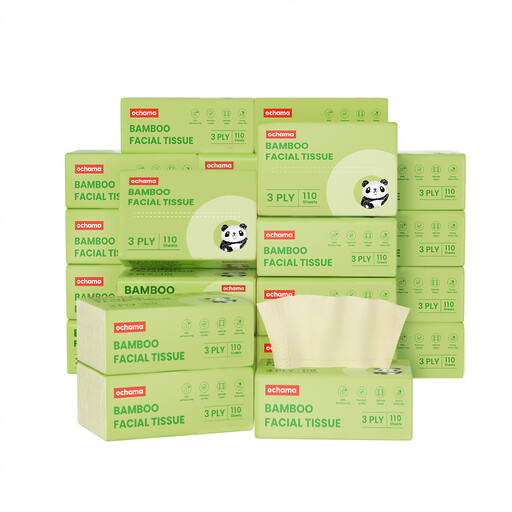
Why This Fits Their Persona: This jumbo pack is ideal for busy UK families who want to stock up. The use of bamboo pulp appeals to their desire for more sustainable household products without sacrificing performance.
It directly counters the bulk-buy value trap. The durable 3-ply bamboo construction is strong even when damp, meaning you use fewer sheets per task and the 2640-sheet supply lasts longer.
Made from 100% virgin bamboo pulp and is free from bleach and fluorescent whitening agents. The massive 24-pack quantity offers excellent long-term value.
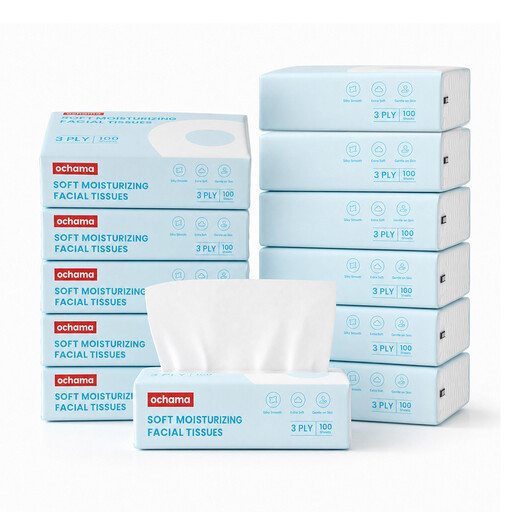
Why This Fits Their Persona: Perfect for anyone who suffers from hay fever or frequent colds. This user prioritises gentleness above all to avoid the discomfort of a raw, irritated nose and is happy to invest in that comfort.
It solves the softness vs. strength trade-off. The moisturising cream coating provides a silky-smooth feel that reduces friction, while the 3-ply structure ensures it remains strong enough for use.
Contains a moisturising cream with glycerine for a noticeably smoother touch. The 12-pack format is convenient for placing in multiple rooms around the house.
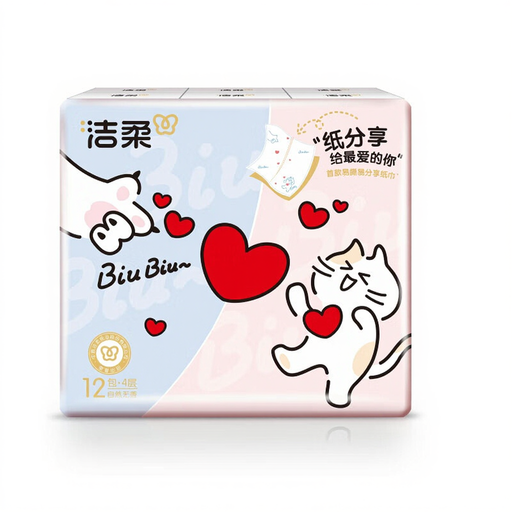
Why This Fits Their Persona: This user needs a reliable tissue that can be stashed in a coat pocket, handbag or car glovebox without taking up space. Portability and durability are their main concerns for quick clean-ups while out and about.
It avoids the ply misconception by delivering genuine performance. The 4-ply construction provides exceptional strength in a small format, ensuring it won't tear or fall apart when you need it most.
The mini share-pack format is extremely compact and portable. Its 4-ply design offers superior strength and absorbency for its size, making it highly reliable for on-the-go use.
For those who value aesthetics, consider pairing your chosen tissue refills with a stylish tissue box holder. This allows you to buy more economical soft packs while maintaining a cohesive look in your living room or office.
We have compiled a complete, real-time list of products that fully satisfy these strict selection criteria and UK safety regulations.
1. Can I use facial tissues instead of soft toilet roll? While they may feel similar, they are designed for different purposes. Facial tissues are engineered with "wet strength" to hold together when they come into contact with moisture. This is great for your nose but bad for your plumbing, as they do not break down easily and can cause blockages. A soft toilet roll is specifically designed to dissolve quickly in water, making it safe to flush. It's advisable to only flush paper designed for that purpose.
2. What does 'ply' actually mean for facial tissues? 'Ply' simply refers to the number of layers of paper that make up a single sheet of tissue. A 2-ply tissue has two layers, a 3-ply facial tissue has three, and so on. While a higher ply count generally suggests more thickness and absorbency, the quality of the paper fibres and the way the layers are bonded together are equally important for overall performance.
3. How can I choose tissues that don't leave behind lint? Lint or dust is often the result of short, loose paper fibres. To minimise this, look for tissues made from high-quality virgin pulp or bamboo, as they often use a blend of long and short fibres for better integrity. Tissues with a visible embossed pattern can also help, as the process binds the layers more securely. Some users find that lotion tissues also tend to produce less lint due to the moisturising agent.