
24/7 Customer Support

Free returns

Same-day & Next-day Delivery

Quality Guaranteed

Unlock Your Welcome Offers: FREE Delivery | Up to 80% OFF | Free 30-day JoyPlus trial
Download the APP
Facial tissues are a small household essential, but choosing the wrong pack can lead to wasted money, uncomfortable wiping and empty boxes at inconvenient times. UK households often need different options for everyday use, children, office desks, allergies or cold and flu season.
Before buying, look beyond phrases such as “ultra-soft” or “extra comfort”. The useful details are usually in the specifications: ply count, sheet quantity, added lotions, fragrance, box format and disposal guidance.
A large number on the front of a pack does not always mean better value. A family pack may contain many sheets but use a thinner 2-ply construction, while a smaller box may offer thicker 3-ply or 4-ply tissues. Compare the total sheet count and price per sheet, while also considering how many layers you need for each use.
For a busy home, family pack tissues or multi-box cases can reduce how often you need to restock. For a bedside table or office desk, a compact cube may be more practical than a large rectangular box.
Soft facial tissues can feel comfortable but may tear when wet or during repeated nose wiping. Conversely, thicker tissues may be more durable but take up more storage space. Ply count is a useful starting point, although it does not describe every aspect of tissue quality. Look for product information about absorbency, wet strength and whether the tissue is intended for facial use.
Balsam tissues, moisturising tissues and scented tissues are not interchangeable. Lotion or balm may feel more comfortable around a frequently wiped nose, but added ingredients are not suitable for everyone. Cologne-scented tissues may be less suitable for people who prefer fragrance-free products.
Check the ingredient information and stop using a product if irritation occurs. For sensitive skin, fragrance-free or lotion-free tissues may be a more suitable starting point, while tissues with aloe vera, vitamin E or balm may appeal to shoppers seeking a softer feel during colds and flu.
Do not assume that every 3-ply tissue has the same feel. Fibre type, embossing, sheet size and lotion treatment can all affect handling.
A single box is useful for a bedroom, bathroom or desk. Multi-box formats help distribute tissue boxes around the home, office or classroom. Cube boxes are space-saving and can fit neatly on bedside tables, shelves and car consoles.
For comparison, one listed case contains 16 boxes with 106 sheets each, giving 1,696 sheets in total. A smaller pack may be easier to store, even when its per-sheet price is higher. Check the number of boxes, sheets per box and the dimensions of the packaging before ordering in bulk.
For frequent nose wiping, consider tissues for sensitive skin, balsam tissues or moisturising tissues. However, “gentle” is not a universal guarantee, so read the product details carefully.
Some options include aloe vera, vitamin E, calendula or protective balm. Others are explicitly fragrance-free, while some contain cologne fragrance. If you are buying for a mixed household, an unscented everyday tissue can be a versatile choice, with balsam or moisturising versions reserved for users who prefer them.
Look for clearly stated information such as FSC certification, recycled or responsibly sourced fibres, recyclable packaging or bamboo content. These labels relate to sourcing or packaging characteristics; they do not automatically indicate that a tissue is suitable for flushing.
Used facial tissues should generally go into a household waste bin. Do not flush them, as they can contribute to blockages. Keep plastic packaging away from babies, children and pets, and store tissue boxes in a dry place.
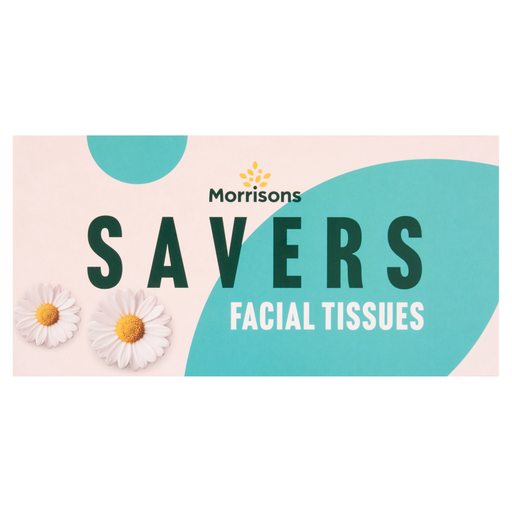
Why This Fits Their Persona: The 180-sheet, 2-ply box is suited to everyday household use, including bedrooms, living rooms, offices and cars.
The stated sheet count makes quantity easier to compare, while the fragrance-free description avoids an unexpected scented tissue purchase.
2-ply construction, 180 sheets and FSC-certified paper are listed product features.
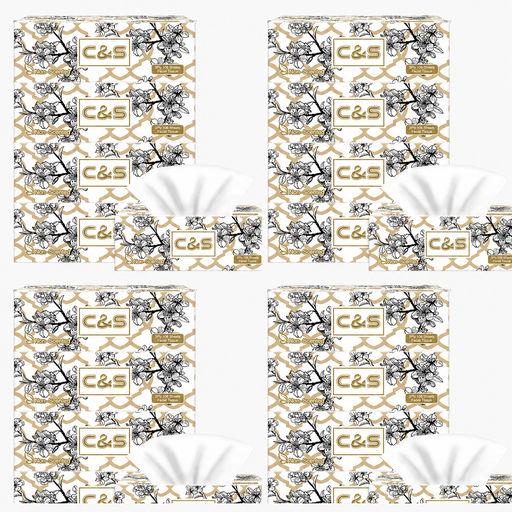
Why This Fits Their Persona: This 16-box case suits households or offices wanting a substantial supply of boxed tissues distributed across several rooms.
The 3-ply construction and 1,696-sheet total are specified, so you can assess both thickness and supply rather than relying on front-of-pack wording.
3-ply sheets, 16 individual boxes and a classic pull-out format are listed features.
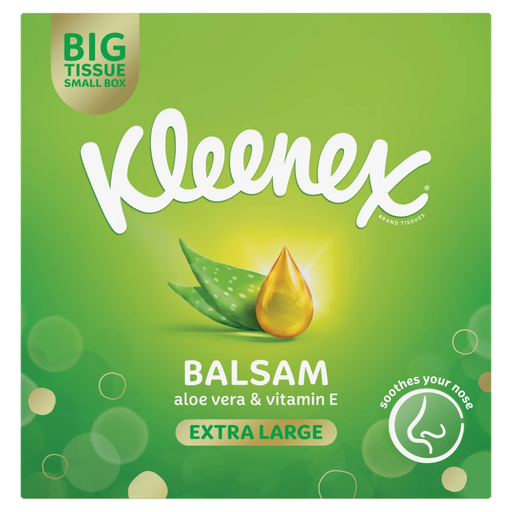
Why This Fits Their Persona: A practical choice for frequent nose wiping during cold and flu season, particularly when a larger sheet and balm-treated format are preferred.
The product description identifies aloe vera, vitamin E and protective balm, making the added ingredients clear before purchase.
Extra-large sheet format, compact single box and balm with aloe vera and vitamin E.
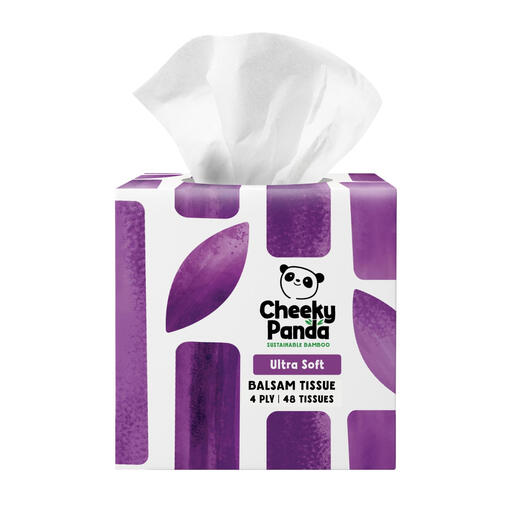
Why This Fits Their Persona: The compact cube format suits desks and bedside tables, while the listed bamboo and packaging details may appeal to shoppers considering eco-friendly tissues.
The specification states FSC-certified bamboo, plastic-free packaging and aloe vera, rather than leaving sustainability claims undefined.
4-ply construction, aloe vera, FSC-certified bamboo and a 48-sheet cube box.
We have compiled a complete, real-time list of products that fully satisfy these strict selection criteria and UK safety regulations.
Estimate your normal weekly use and multiply it by the number of rooms or people using them. A single person may manage with one or two boxes in regular locations, while families, offices and households dealing with frequent colds may benefit from multi-box or family pack tissues. Always check the total sheet count rather than the number of outer packs alone.
Three-ply tissues can offer a softer, more substantial feel, but ply count alone does not determine skin suitability. Check whether the tissue is fragrance-free, lotion-treated or balsam-enriched, and review the listed ingredients. If irritation occurs, discontinue use and choose a simpler format.
No. Used facial tissues should be placed in a bin, even when they appear thin or biodegradable. They are not designed to break down in the same way as toilet paper and may contribute to plumbing blockages. Dispose of packaging according to the material and local council guidance.