
24/7 Customer Support

Free returns

Same-day & Next-day Delivery

Quality Guaranteed

Unlock Your Welcome Offers: FREE Delivery | Up to 80% OFF | Free 30-day JoyPlus trial
Download the APP
Facial tissues are a small household purchase, but the wrong box can become frustrating quickly. A tissue may feel soft at first yet tear when wet, leave lint behind or irritate a sore nose after repeated use. Buying a large multipack can also create poor value if the sheets are smaller or thinner than expected.
Whether you need everyday tissues for the family, soft facial tissues for a bedside table or balsam tissues for cold and hay fever season, compare the details rather than relying on packaging language. Here are the main pitfalls to avoid and the specifications worth checking before you buy.
A large number on the outer packaging does not always mean lower cost per use. Boxes may contain different sheet counts, and sheets can vary in size and ply. Compare the total number of sheets, number of boxes and price per sheet where possible.
For example, a family-size box may suit occasional household use, while a bulk facial tissue case with many smaller boxes may be more practical for several rooms, an office or a busy family.
“Soft” is not a precise technical standard. A tissue can feel smooth but still lack the thickness or lotion that makes frequent wiping more comfortable. If your nose is prone to soreness, look for features such as 3-ply construction, balsam, moisturising ingredients or a fragrance-free formulation.
People with allergies or sensitive skin should also check the product information and ingredient list. A balsam tissue may contain ingredients such as aloe vera, vitamin E or other emollients, so stop using it if irritation occurs.
A stylish tissue box may look attractive but occupy more space than a standard rectangular box. Cube boxes can work well on desks, bedside tables and reception areas, whereas compact rectangular boxes are easier to store in cupboards, cars or conventional tissue holders.
Used facial tissues should be placed in a bin rather than flushed down the toilet. This helps reduce the risk of blockages, particularly because facial tissues are not designed to break down in the same way as toilet paper.
Ply refers to the number of layers in each tissue. Two-ply tissues can be suitable for general wiping, hands and light household use. 3-ply tissues generally provide a thicker feel and can offer a more substantial barrier during nose blowing. Four-ply options may appeal to shoppers who prioritise extra thickness and strength.
Ply is only one part of the decision. Also consider whether the listing describes the tissue as lint-reduced, absorbent or suitable for frequent use. If the product is intended for children, cold sufferers or an office, a balance of softness and tear resistance is more useful than thickness alone.
Balsam tissues and moisturising tissues are designed with added lotion or conditioning ingredients. In the supplied product range, some products include aloe vera and vitamin E, while others use a moisturising cream formulation. These features may make repeated wiping feel more comfortable, but they are not suitable for everyone.
Read the ingredients and warnings before buying, particularly if you have known sensitivities. Fragrance-free or listed hypoallergenic tissues may be preferable for some households, although “hypoallergenic” should be treated as a product description rather than a guarantee that no user will react.
For eco-conscious shoppers, check for recognised sourcing information such as FSC-certified tissues. FSC certification relates to responsible forestry supply chains, but it does not automatically mean every component of the packaging is plastic-free or recyclable.
Bamboo tissues can be another option. The Cheeky Panda Balsam Facial Tissues Cube is listed as using FSC-certified bamboo, with aloe vera, 4-ply sheets and plastic-free packaging. Check local council guidance before recycling packaging, as collection rules vary across the UK.
Finally, match quantity to your routine. A single box works for a desk or guest room, while a multi-box case may reduce restocking for larger households. Do not choose bulk facial tissues solely because the pack looks economical; check storage space and the cost per sheet.
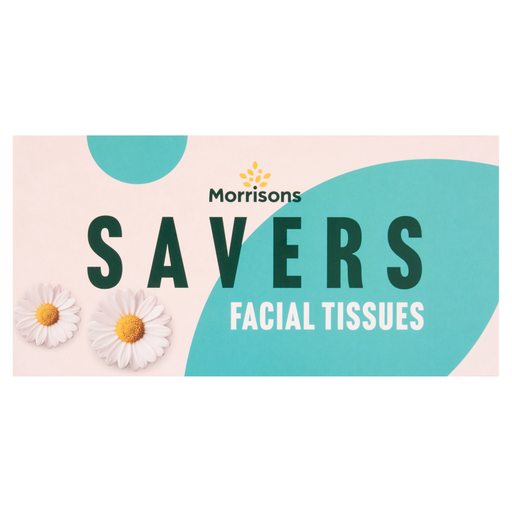
Why This Fits Their Persona: A family-size 180-sheet box is a straightforward choice for everyday wiping in living rooms, bedrooms, offices or cars.
The stated 180-sheet count makes quantity easier to compare, while the 2-ply format avoids paying for unnecessary extra layers for routine use.
FSC-certified paper, fragrance-free formulation and a compact rectangular box.
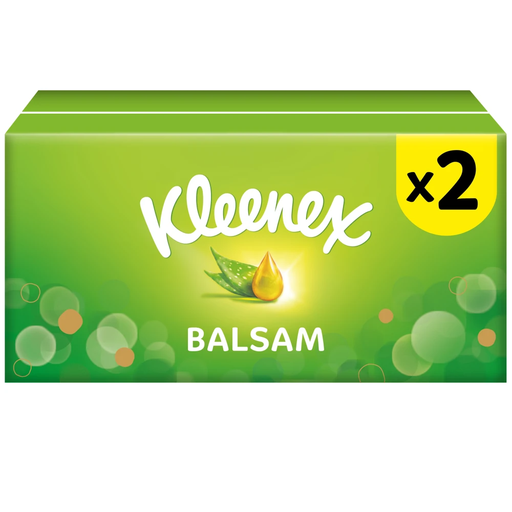
Why This Fits Their Persona: Suitable for shoppers seeking a lotion tissue for cold, flu or allergy periods, with two boxes for separate rooms.
The listing clearly identifies a protective balm and names aloe vera and vitamin E, so you can compare the formulation rather than relying only on “soft” wording.
Balsam-coated tissues with aloe vera and vitamin E; FSC-certified sourcing is listed.
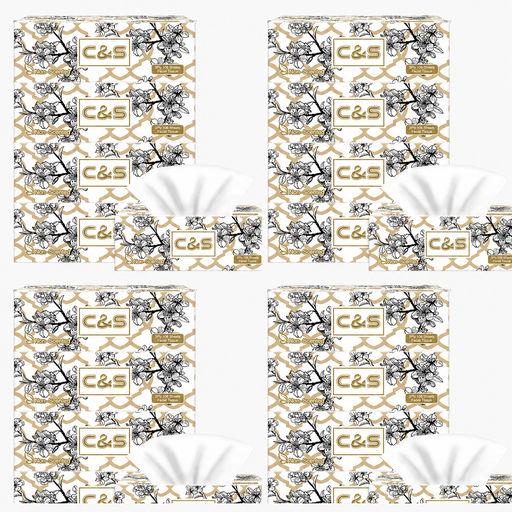
Why This Fits Their Persona: Sixteen boxes with 106 sheets each suit larger households, offices, classrooms or buyers who prefer less frequent restocking.
The total sheet count and 3-ply specification make the pack easier to assess for frequent use than a vague “mega” label.
3-ply construction, 1,696 sheets in total and individual boxed dispensing.
We have compiled a complete, real-time list of products that fully satisfy these strict selection criteria and UK safety regulations.
Facial tissues generally do not have a short use-by period, but they should be stored in a cool, dry place away from direct moisture and sunlight. Keep the box closed or covered where possible. If tissues become damp, dusty or visibly contaminated, replace them.
That depends on how you use them. For occasional hand wiping or light household cleaning, 2-ply may be sufficient. For frequent nose wiping, family use or situations where a tissue must hold together when damp, 3-ply can provide a thicker construction. Compare sheet count and price as well as ply.
No. Facial tissues should be disposed of in a household bin because they may not disperse quickly enough and can contribute to blockages. This applies even when the tissue appears thin or biodegradable.