
24/7 Customer Support

Free returns

Same-day & Next-day Delivery

Quality Guaranteed

Unlock Your Welcome Offers: FREE Delivery | Up to 80% OFF | Free 30-day JoyPlus trial
Download the APP
A facial toner can add hydration, light exfoliation or targeted ingredients to your skincare routine. However, choosing one based only on words such as “glow”, “poreless” or “miracle” can lead to wasted money and avoidable irritation.
The right choice depends on your skin’s needs, the formula’s active ingredients and how often you realistically intend to use it. This guide explains the key checks to make before buying, then matches several options to different skincare routines.
Some toners are gentle, water-based layers designed to add moisture after cleansing. Others contain exfoliating acids, alcohol, essential oils or fragrance. Treating an exfoliating toner as an everyday hydrating toner may leave skin feeling dry or uncomfortable.
Read the ingredient list rather than relying on the product name. A hydrating toner commonly includes ingredients such as glycerin, betaine, panthenol, trehalose or hyaluronic acid. An exfoliating toner may contain salicylic acid, glycolic acid, lactic acid, gluconolactone or other acids.
Pores do not permanently close or disappear. A pore-minimising toner may help remove excess oil, loosen surface build-up or temporarily improve the appearance of texture. Salicylic acid can be useful for oily or congested areas, but frequency still matters.
Products with astringent ingredients or high alcohol content may create a tight sensation that feels effective but is not necessarily a sign of better skin. Check whether the formula suits your tolerance and whether it leaves your skin comfortable after use.
A toner containing numerous botanical extracts, fragrance or essential oils is not automatically unsuitable, but it may be less appropriate for reactive skin. A toner for sensitive skin is often easier to assess when it has a shorter formula and avoids unnecessary fragrance.
Always check the current packaging, as ingredient lists and directions can change. Patch testing is sensible when introducing a new formula, particularly one containing acids, fragrance or multiple active ingredients.
A salicylic acid toner is generally selected for oily or congested skin, while glycolic or lactic acid works mainly at the skin’s surface. PHA ingredients such as gluconolactone are often considered a gentler exfoliating option, but individual tolerance varies.
Begin with the frequency stated on the packaging, or less often if your skin is sensitive. Do not layer several exfoliating products together until you know how your skin responds. Use broad-spectrum sunscreen during the day, as AHA and BHA products may increase sensitivity to sunlight.
A watery toner can be patted into the skin with clean hands or applied with a cotton pad. A dual-layer mist may need shaking before use. Toner pads offer convenience and can be used as a short contact mask on selected areas, but avoid rubbing aggressively.
For most toners, apply after cleansing and before serum or moisturiser. Do not apply to broken or inflamed skin, avoid the eye area and stop if persistent irritation develops.
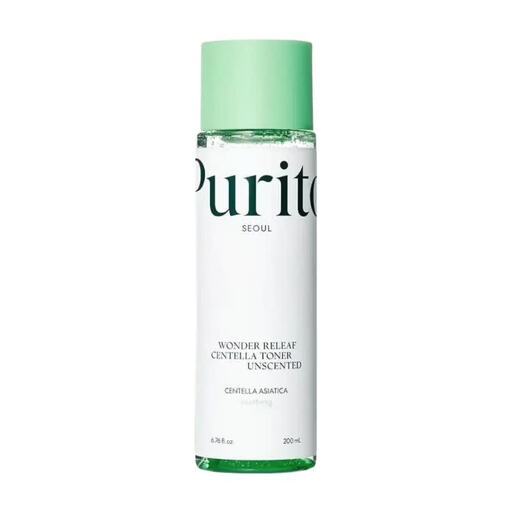
Why This Fits Their Persona: A straightforward daily option for shoppers starting a routine and wanting a fragrance-free, watery toner that can be used morning and evening.
It is listed as fragrance-free, alcohol-free and essential-oil-free, helping buyers avoid adding unnecessary potential irritants at the first step.
Contains centella asiatica extract, panthenol and sodium hyaluronate; supplied in a 200ml size.
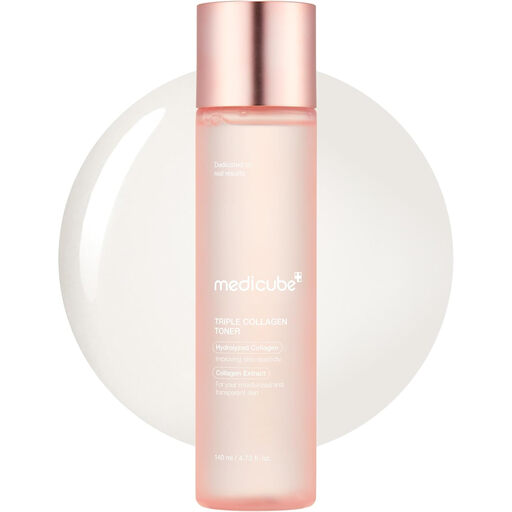
Why This Fits Their Persona: Suits shoppers who prefer an essence-like texture and want a more substantial hydration step before serum and moisturiser.
The product description identifies its texture and fragrance clearly, allowing shoppers to assess whether a richer, scented formula suits them.
Includes glycerin, niacinamide, hyaluronic acid and three listed collagen forms.
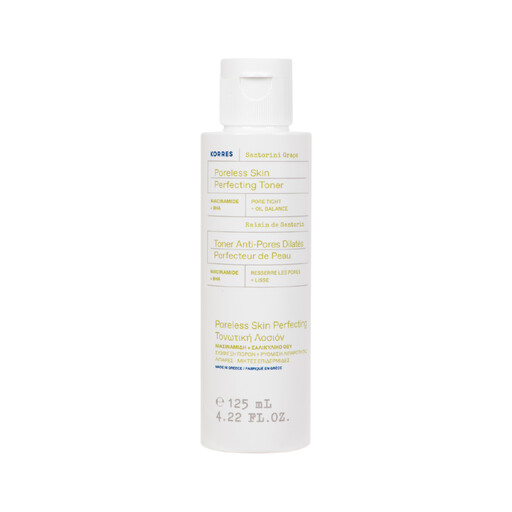
Why This Fits Their Persona: Designed for shoppers focused on excess oil, visible texture and clogged-looking pores who are prepared to introduce an acid toner gradually.
Its ingredient list specifies 2% salicylic acid, while the directions advise starting every other day and observing skin response.
Combines salicylic acid with niacinamide and Santorini grape extract; includes an AHA and BHA sun-sensitivity warning.
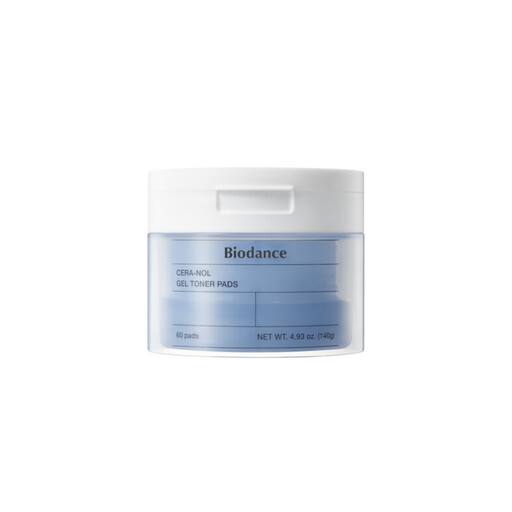
Why This Fits Their Persona: Useful for commuters, frequent travellers or anyone who prefers a ready-to-use format instead of pouring liquid toner onto a pad.
The pack contains 60 pre-soaked pads and provides directions for both wiping and short contact-mask use, making the format’s purpose clear.
Contains panthenol, five listed ceramides, allantoin and hyaluronic acid.
It depends on the formula. A basic hydrating toner may be suitable for daily use after cleansing, while an exfoliating toner may need to start once or twice a week. Follow the product directions and reduce frequency if your skin becomes dry, uncomfortable or irritated.
No. A toner is an optional step. It can provide extra hydration, light exfoliation or convenient delivery of selected ingredients, but cleanser, moisturiser and daytime sunscreen may be more important foundations. Choose a toner only when its ingredients and texture address a specific need.
Yes, toner pads can replace a liquid toner step. Check whether they are hydrating or exfoliating, and avoid repeatedly rubbing the skin. If a pad contains acids, introduce it gradually and use sunscreen during the day.