
24/7 Customer Support

Free returns

Same-day & Next-day Delivery

Quality Guaranteed

Unlock Your Welcome Offers: FREE Delivery | Up to 80% OFF | Free 30-day JoyPlus trial
Download the APP
A facial toner can add hydration, prepare skin for serum and remove the tight feeling that sometimes follows cleansing. However, choosing the right one is not simply a matter of selecting the product with the longest ingredient list. UK shoppers need to consider skin sensitivity, texture, active ingredients, packaging and how the toner fits into an existing routine.
This guide explains the main buying pitfalls, the specifications worth checking and our top recommendations for different skincare needs.
A product may highlight ingredients such as vitamin C, niacinamide, collagen or fermented extracts. These can be useful formulation clues, but a percentage alone does not establish how your skin will respond. The supporting ingredients, product texture and your overall routine also matter.
For example, a vitamin C toner may suit a brightening-focused routine, while a hyaluronic acid toner may be more appropriate when dehydration is the main concern. Neither automatically replaces a moisturiser or daily sunscreen.
Some toners contain exfoliating acids, retinoids, fragrance or essential oils. These may be unsuitable for easily irritated skin, particularly if combined with other active products. A toner for sensitive skin should be assessed by its complete ingredient list rather than claims such as “gentle” or “calming”.
If you already use retinol, exfoliating acids or prescription skincare, introduce one new active product at a time. Patch testing is a sensible precaution, especially where the product contains fragrance, menthol, salicylic acid or retinoid ingredients.
Modern formulas range from clear liquids to milky lotions, mists and facial essence toners. A rich essence toner may be useful for dry or mature skin, but can feel excessive if you prefer a simple, fast-drying routine. Conversely, a very light toner may not provide enough comfort in winter or in centrally heated homes.
A watery Korean toner or Japanese toner can be pressed into the skin with clean hands, while a thicker formula may work better in a small amount followed by moisturiser. Mists are convenient for use at a desk or while travelling, but spraying around the eyes should be avoided.
Cotton pads are useful for a light sweeping application, although repeated rubbing can feel uncomfortable on reactive skin. Patting with your hands generally creates less friction.
Check the current INCI list on the packaging, particularly if you have known sensitivities. Look for clear net content, usage instructions, storage guidance and responsible manufacturer or importer information. Cosmetic products should be used externally, kept away from children and discontinued if persistent irritation develops.
A toner containing retinol or retinal requires extra care. Use it according to the label, consider evening application and apply broad-spectrum sunscreen during the day. Do not combine several new exfoliating or retinoid products at once.
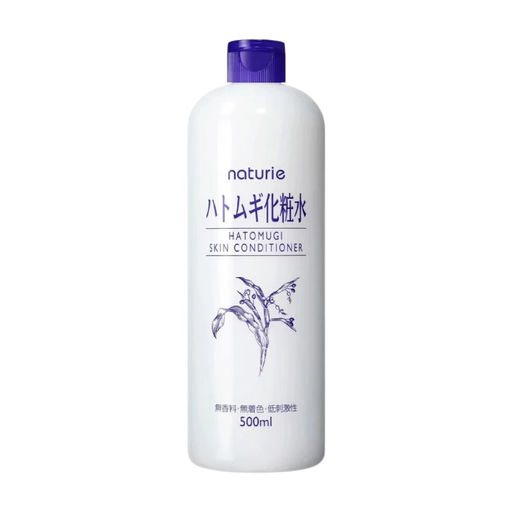
Why This Fits Their Persona: The generous 500ml size suits beginners who want one straightforward hydrating product for the face and body, including during dry UK winters.
Its simple ingredient profile avoids an overloaded active formula. It is also listed as free from added fragrance, artificial colour and alcohol.
Watery texture, coix seed extract, dipotassium glycyrrhizate and a large 500ml format.
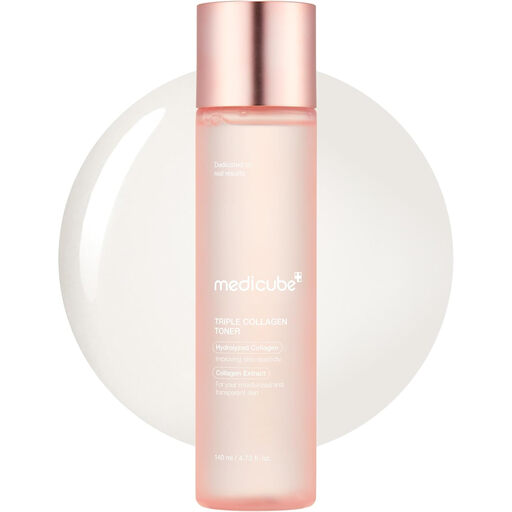
Why This Fits Their Persona: Its essence-like texture is suited to shoppers who prefer a more substantial first layer before serum and moisturiser, particularly for mature or dry-feeling skin.
The product information identifies its texture and ingredients clearly, helping shoppers distinguish an essence-style toner from a thin astringent formula.
Contains three listed collagen types, hyaluronic acid and niacinamide; designed to absorb without a sticky finish.
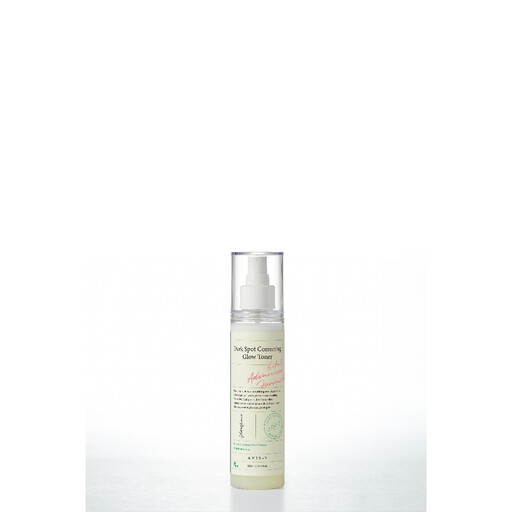
Why This Fits Their Persona: The mist format works for shoppers who want quick application after cleansing or over makeup, while the dual-layer formula suits a targeted brightening and hydration routine.
The instructions tell users to shake the two layers before application, reducing the risk of using an incompletely mixed formula.
Includes niacinamide, a vitamin C derivative, willow bark extract, panthenol, squalane and several forms of hyaluronic acid.
We have compiled a complete, real-time list of products that fully satisfy these strict selection criteria and UK safety regulations.
No. Toner is optional, but it can provide extra hydration or deliver a selected active ingredient after cleansing. If your cleanser, serum and moisturiser already meet your needs, you do not need to add one.
This depends on bottle size, frequency and whether you apply it to the face or body. A 120–200ml bottle used once or twice daily may last several weeks to a few months. Larger formats, such as 500ml, can last longer but should still be stored as directed and used within the recommended period after opening.
Some can be used daily, but check the label and consider the complete routine. Vitamin C derivatives and niacinamide are commonly included in daily formulas, while products containing salicylic acid, PHAs or retinoids may need a slower introduction. Stop use if persistent redness, itching or discomfort develops.