
24/7 Customer Support

Free returns

Same-day & Next-day Delivery

Quality Guaranteed

Unlock Your Welcome Offers: FREE Delivery | Up to 80% OFF | Free 30-day JoyPlus trial
Download the APP
Choosing between gel, foam, cream and low-pH facial cleansers can be surprisingly difficult. A product may promise brighter-looking skin, smaller-looking pores or a “deep” cleanse, yet still leave your face tight, itchy or unusually oily a few hours later.
For UK shoppers, changing weather, hard water, indoor heating and daily sunscreen use can all influence how a cleanser feels. The right choice should remove sweat, sebum and surface impurities without making your skin uncomfortable.
A squeaky or very tight feeling after washing is not a reliable sign that a face wash has removed more dirt. It may indicate that the formula is removing too much surface oil for your skin. If your skin feels dry immediately after cleansing, a gentle facial cleanser or hydrating cleanser may be more suitable.
Botanical extracts, fruit waters and essential oils can make a formula sound appealing, but they do not automatically make it suitable for sensitive skin. Check the full ingredient list for fragrance, essential oils, exfoliating acids and cooling ingredients such as menthol.
A brightening cleanser containing fruit extracts, niacinamide or acids may offer a fresh, smooth-feeling wash, but it is a rinse-off product rather than a replacement for leave-on skincare or daily sunscreen.
Salicylic acid, willow bark, clay, charcoal and physical particles are often used in pore-cleansing face wash formulas. These may appeal to oily or blemish-prone shoppers, but using several exfoliating products at once can make a routine feel harsh. Consider whether you need an everyday cleanser or a more targeted option used less frequently.
A gel cleanser usually feels light and rinses quickly, while a foaming face cleanser creates lather that can be useful for oily or combination skin. Cream and non-foaming formulas often suit normal-to-dry skin that dislikes a stripped feeling.
Ingredients such as decyl glucoside, sodium cocoyl glutamate, coco-betaine and amino-acid-derived surfactants are commonly found in milder cleansing systems. However, no single ingredient determines how a formula will feel. The complete formulation, your water temperature and how long you massage it all matter.
A low-pH cleanser is generally formulated to be mildly acidic rather than strongly alkaline. This can be a useful consideration if conventional soap-based products leave your skin feeling uncomfortable. Look for supporting ingredients such as glycerin, panthenol, betaine, ceramides, hyaluronic acid or niacinamide.
pH alone does not guarantee suitability. A low-pH product can still contain fragrance or exfoliating ingredients, so sensitive skin shoppers should review the packaging and ingredient list carefully.
A fragrance-free cleanser may be preferable if you are sensitive to scented products. Conversely, formulas containing fragrance, limonene, linalool, menthol or essential oils may provide a noticeable sensory experience but are not suitable for everyone.
For acne-prone skin cleanser options, note whether salicylic acid or other exfoliating ingredients are included. Avoid applying cleanser to broken or severely irritated skin, and stop using it if persistent redness, itching or stinging develops. Always check the current packaging because ingredients and directions can change.
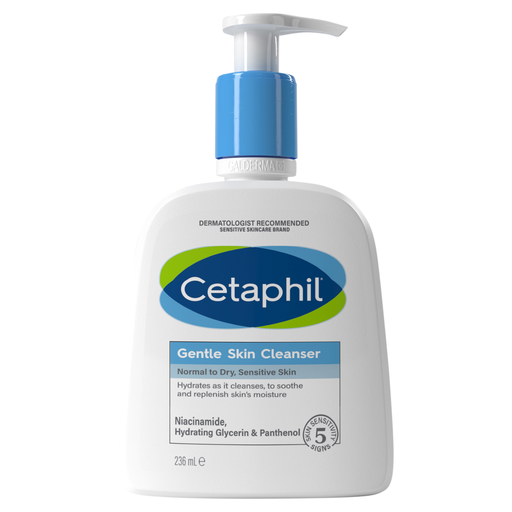
Why This Fits Their Persona: A straightforward option for shoppers building a simple morning and evening routine, including those managing dry or sensitive-feeling skin in centrally heated UK homes.
Its creamy, non-foaming format avoids relying on a tight after-feel to signal cleanliness and is listed as fragrance-free and soap-free.
236ml size; contains glycerin, panthenol and niacinamide; can be used with or without water according to the product directions.
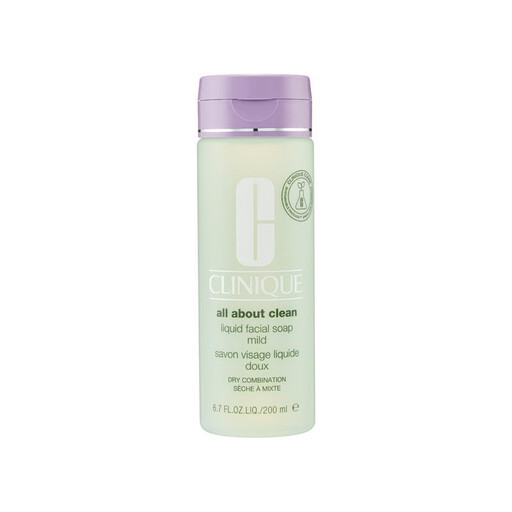
Why This Fits Their Persona: Suitable for shoppers who prioritise established product information, a familiar liquid texture and a cleanser that fits neatly before moisturiser or other skincare steps.
The listed formula is fragrance-free and free from drying alcohol, helping shoppers avoid adding unnecessary scent to a daily cleansing routine.
200ml volume; soft lather; listed as allergy-tested, ophthalmologist-tested and dermatologist-developed.
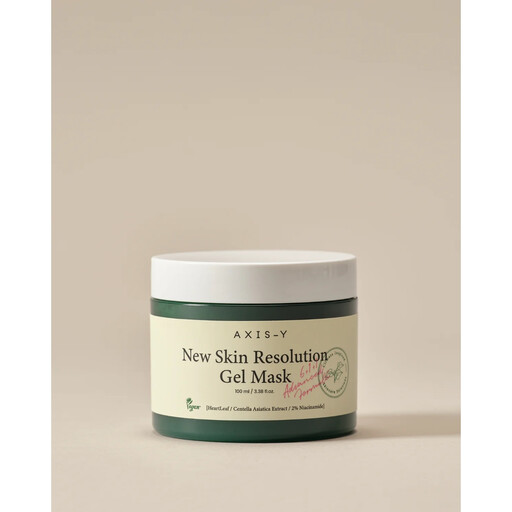
Why This Fits Their Persona: A practical Korean facial cleanser for shoppers wanting a gel texture, mild lather and a one-step evening cleanse for everyday impurities.
Its product details focus on gentle cleansing and moisture balance rather than an aggressively degreasing finish.
180ml size; contains quinoa, glycerin, betaine and centella asiatica extract; vegan-certified and cruelty-free according to the product information.
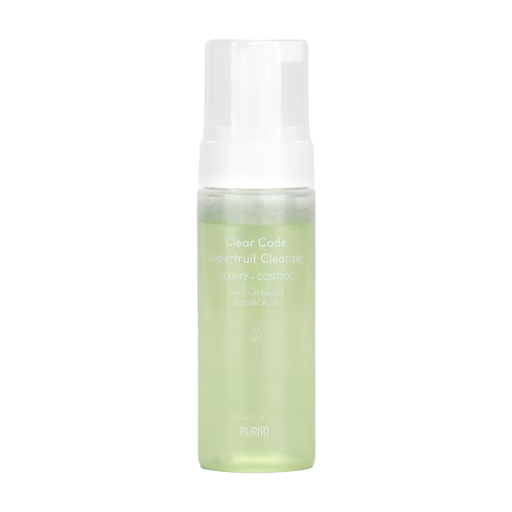
Why This Fits Their Persona: Designed for shoppers who want a foaming cleanser with an ingredient specifically associated with excess sebum and congested pores.
The product information identifies salicylic acid clearly, allowing buyers to account for exfoliation instead of overlooking it behind “deep cleanse” language.
150ml size; contains salicylic acid, glycerin and noni fruit extract; vegan and cruelty-free according to the listing.
We have compiled a complete, real-time list of products that fully satisfy these strict selection criteria and UK safety regulations.
Many shoppers use a cleanser once in the evening and optionally in the morning, depending on skin type and routine. Oily skin may prefer twice-daily cleansing, while dry or sensitive skin may find one evening cleanse sufficient. Follow the product instructions and adjust if discomfort develops.
A 100–150ml cleanser may last several weeks to a few months, depending on how much you dispense and whether it is used once or twice daily. Larger 180–236ml bottles can be practical for regular household use. Avoid using extra product to create a stronger cleansing effect.
A low-pH formula can be a useful choice for shoppers who prefer a mildly acidic cleanser, but it is not automatically suitable for every skin type. Check for fragrance, acids and other potential irritants, and compare the complete ingredient list with your own preferences.