
24/7 Customer Support

Free returns

Same-day & Next-day Delivery

Quality Guaranteed

Unlock Your Welcome Offers: FREE Delivery | Up to 80% OFF | Free 30-day JoyPlus trial
Download the APP
Facial cleansing wipes can be useful for removing make-up after a late journey, freshening up after the gym or simplifying a travel wash bag. However, choosing by pack colour or a bold “gentle” claim can lead to disappointing results. The right facial cleansing wipes should match your skin, the products you want to remove and how you intend to dispose of them.
Waterproof mascara, long-wear foundation and SPF can require more contact time than ordinary dirt. A wipe that feels wet may still leave residue if its cleansing formula or fabric is not suited to heavier make-up. Look for product information that specifically states removal of waterproof make-up, then hold the wipe over the area for a few seconds rather than rubbing repeatedly.
These terms describe different disposal considerations. A facial wipe may use plant-based or biodegradable fibres but still be unsuitable for the toilet. Most facial cleansing wipes should go into general waste unless the packaging gives clear, specific disposal instructions. Even then, follow the label carefully and avoid flushing several wipes together.
A product described as compostable may also require particular conditions. For example, some Simple wipes in this selection state that they biodegrade in 42 days when disposed of in a garden compost bin. That does not mean every local authority accepts them in food or garden waste collections.
Wipes gradually lose moisture when the resealable label or cap is not closed properly. This can make the final few sheets less comfortable to use and reduce value for money. Aqua-lock features, secure caps and careful resealing are practical details worth checking, particularly for 20- or 25-wipe packs used over several weeks.
For sensitive skin cleansing wipes, check whether the product is described as hypoallergenic or dermatologically tested. Fragrance, essential oils, alcohol and colourants may be unwanted if your skin is easily irritated, although a product label cannot guarantee that irritation will not occur.
Ingredients such as glycerin, panthenol, vitamin E, aloe vera and hyaluronic acid are commonly included in hydrating face wipes. They can contribute to a comfortable, moisturised feel after use, but wipes should not automatically replace a complete cleansing and skincare routine.
If you prefer micellar cleansing wipes, check whether the formula is fragrance-free and whether it is intended for eye-area use. Always follow the product directions, avoid direct contact with the eyes and stop using the product if irritation develops.
Plant-based face wipes and vegan cleansing wipes can be suitable for shoppers looking to reduce plastic in their routine. Read the material description carefully: “plant-based fibres”, “plastic-free” and “biodegradable” are useful but different terms.
A fibre claim does not tell you how the wipe should be disposed of. Check the packaging for instructions and never flush facial wipes unless the product is specifically labelled for that purpose. Compostable cleansing wipes may need a home garden composting setup rather than a standard kerbside bin.
A 7-count pack may work for a handbag, holiday or occasional use, while 20- and 25-wipe packs suit regular cleansing. A 50-wipe pack can reduce repurchasing if you use wipes frequently, but only if the pack remains well sealed.
For households, travel groups or general hygiene, bulk wet wipes can offer a lower cost per sheet. Pure-water wet wipes are not make-up remover wipes by default, so check whether the intended use covers face cleansing, hands and body rather than assuming they will dissolve waterproof cosmetics.
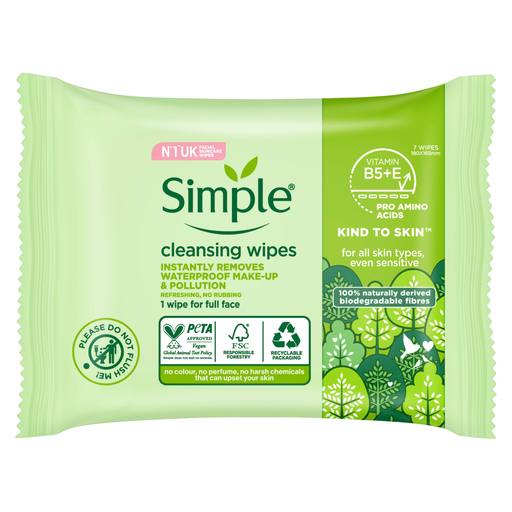
Why This Fits Their Persona: A compact 7-count pack suits occasional users, first-time buyers and commuters who want a small make-up removal option for a handbag or gym kit.
The product description specifies waterproof mascara removal and advises resealing the pack to help prevent drying.
Hypoallergenic, dermatologically tested and described as free from artificial perfume, colour and alcohol.
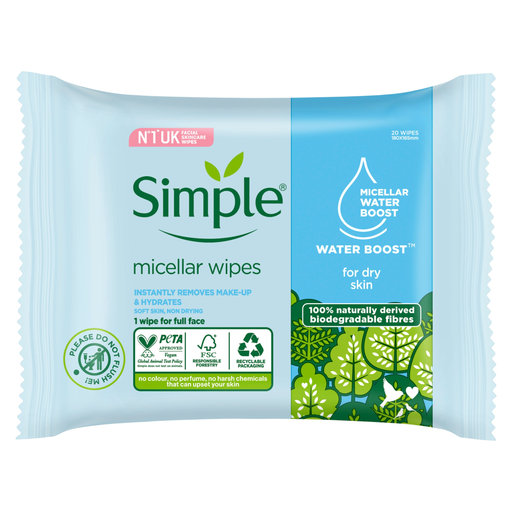
Why This Fits Their Persona: Suitable for shoppers prioritising a softer cleansing feel and added hydration during daily morning or evening routines.
The listing identifies glycerin, pro-vitamin B5 and vitamin E, while also stating that the wipes are free from artificial perfume and alcohol.
Micellar formula, plant-based FSC-certified fibres and stated 42-day biodegradation in a garden compost bin.
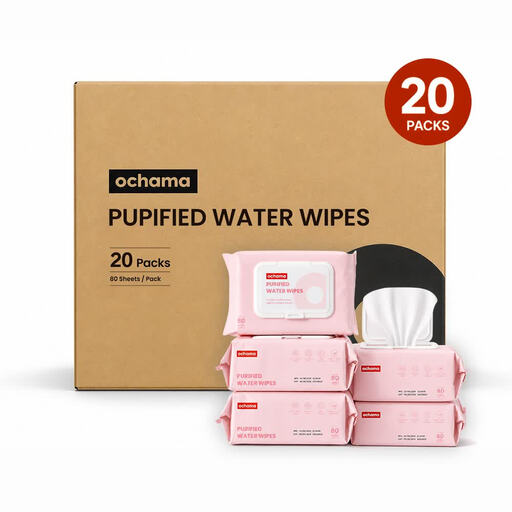
Why This Fits Their Persona: The jumbo multipack is designed for households, workplaces, travel storage or frequent face, hand and body wiping rather than occasional make-up removal.
Its stated use covers face, hands and body, and the packaging includes a secure cap to help retain moisture across multiple packs.
1,600 sheets in 20 packs, with an alcohol-free formula made from EDI pure water and hydroentangled non-woven fabric.
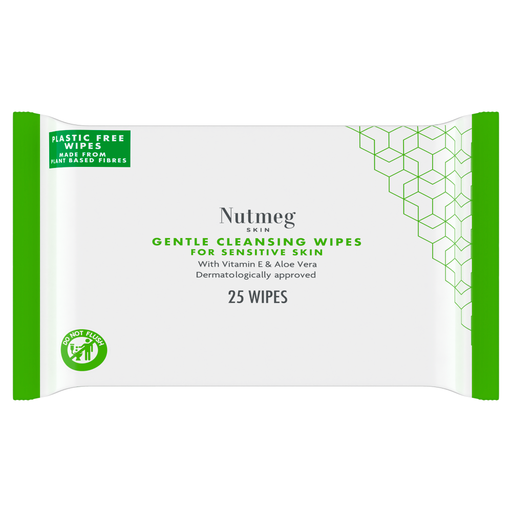
Why This Fits Their Persona: A practical option for shoppers seeking sensitive skin cleansing wipes for regular use at home, work or while travelling around the UK.
It is specifically described for sensitive skin and gives clear warnings to avoid sore or broken skin and stop use if irritation occurs.
Contains vitamin E and aloe vera, and uses biodegradable plant-based fibres with plastic-free packaging according to the listing.
They can be convenient for daily or occasional cleansing, particularly when water is unavailable. However, people with sensitive or dry skin should check the formula and monitor how their skin responds. A wipe may be followed by a conventional cleanser and moisturiser when a more complete routine is preferred.
There is no universal lifespan after opening. Moisture retention depends on the seal, storage conditions and how often the pack is opened. Keep wipes in a cool, dry place and close the packaging straight after removing a sheet.
Most cannot. Biodegradable or plant-based fibres do not automatically make a wipe flushable. Check the packaging and dispose of facial cleansing wipes in general waste unless the product clearly states otherwise.