
24/7 Customer Support

Free returns

Same-day & Next-day Delivery

Quality Guaranteed

Unlock Your Welcome Offers: FREE Delivery | Up to 80% OFF | Free 30-day JoyPlus trial
Download the APP
Facial face masks can make a skincare routine feel more targeted, but attractive packaging and ingredient-led claims do not always tell the full shopping story. A sheet mask may contain plenty of essence yet fit poorly, while a clay mask can leave skin feeling uncomfortable if it is allowed to dry completely.
For UK shoppers, the practical choice depends on format, ingredients, wear time and your skin’s current condition. The following guide highlights common buying traps, explains the specifications worth checking and matches several options to distinct skincare routines.
Hyaluronic acid, niacinamide and vitamin-rich extracts are popular in a hydrating face mask or brightening face mask. However, an ingredient name alone does not indicate whether the overall formula suits you. Fragrance, alcohol, fruit acids and botanical extracts may be less comfortable for some people with sensitive skin.
Always check the complete ingredient list on the packaging. If your skin is reactive, introduce one new product at a time and carry out a small patch test first.
A sheet face mask is generally designed for a set period, often around 10 to 20 minutes. Leaving a tissue mask on until it becomes dry can make the experience feel tight rather than comfortable. Hydrogel masks have different instructions: some are intended for several hours or overnight use, but this should be confirmed on the product label.
Clay products also need careful timing. A clay face mask should not usually be left until it becomes completely cracked and dry, particularly if your skin is dry or easily irritated.
A pore-refining mask can remove surface oil and impurities, making skin look temporarily cleaner and more matte. Similarly, a brightening face mask may leave the complexion looking fresher through hydration and conditioning. These are cosmetic, user-perceivable effects rather than permanent changes to pore size, pigmentation or skin structure.
Choose the format that fits your routine:
A mask that requires 15 minutes may suit a short evening routine, while a multi-hour hydrogel product is more appropriate for planned self-care.
For face masks for dry skin, look for humectants and moisturising ingredients such as glycerin, sodium hyaluronate, betaine and polyglutamic acid. A hyaluronic acid face mask can provide a temporary plumper, softer feel by adding moisture to the skin’s surface.
For dull-looking skin, niacinamide or vitamin C derivatives feature in many brightening products. A niacinamide face mask may also suit combination or oily skin, but tolerance varies.
For oily or congested areas, kaolin and bentonite are common in pore-cleansing formulas. These ingredients can absorb excess oil, but applying clay only to the T-zone may be more comfortable than covering the entire face.
Compare the number of applications, not only the pack price. A 120g wash-off mask may provide multiple uses, whereas an individually wrapped sheet mask provides one treatment. Check whether the instructions require rinsing, a follow-up moisturiser or several hours of wear.
Also inspect storage instructions, expiry information and the ingredient list printed on the packaging. Do not use a product on broken, sunburned or inflamed skin, and stop immediately if redness, itching, swelling or burning develops.
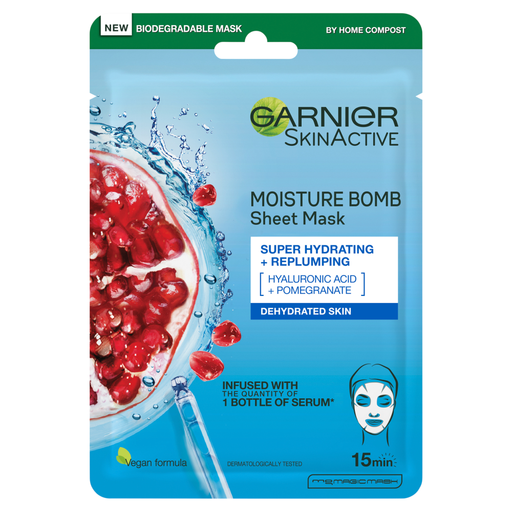
Why This Fits Their Persona: A straightforward 15-minute sheet mask suits shoppers starting an at-home routine or preparing for a quick evening of self-care.
Its stated wear time is clear, reducing the temptation to leave a tissue mask on until it dries.
Contains glycerin and sodium hyaluronate; the single-use tissue format requires no mixing or rinsing.
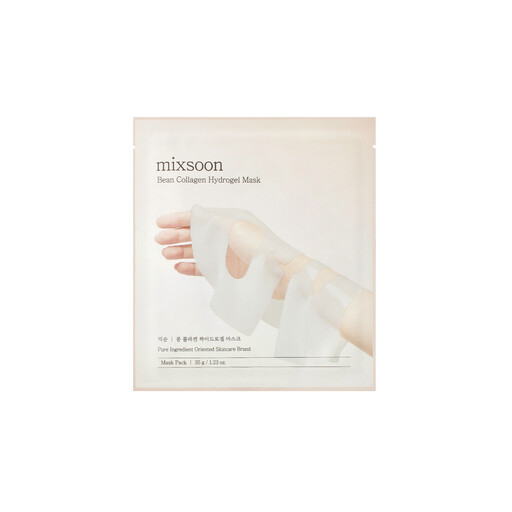
Why This Fits Their Persona: The five-pack and longer 1-to-3-hour wear time suit shoppers who prefer a more substantial weekly hydration ritual.
The hydrogel material and transparency-based removal instruction make its usage expectations different from a conventional tissue mask.
Pack contains five hydrogel masks; formula includes glycerin, betaine, niacinamide and allantoin.
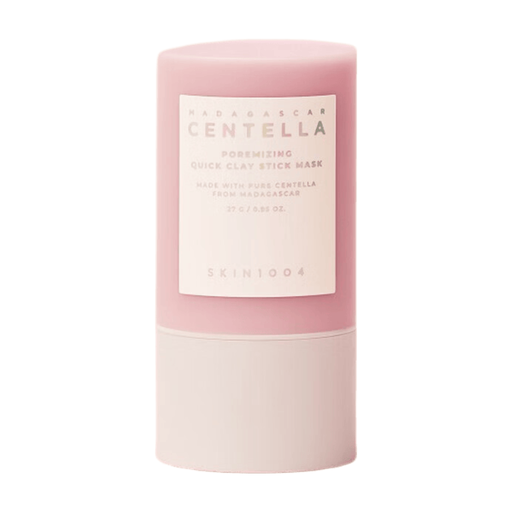
Why This Fits Their Persona: Useful for oily or combination skin and targeted T-zone care, especially when applying a full mask feels unnecessary.
The instructions specify a short 3-to-5-minute application and advise not allowing the clay to dry completely.
Stick format supports cleaner application; formula contains kaolin, bentonite and centella asiatica extract.
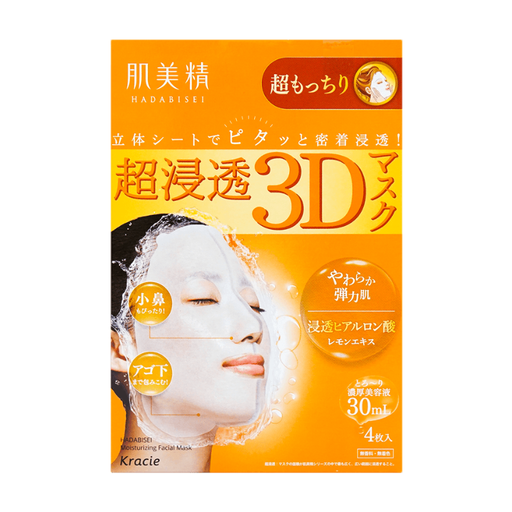
Why This Fits Their Persona: A four-piece pack works for regular weekly use, including during colder indoor heating periods when skin may feel dry.
The 3D design is intended to follow facial contours, while the listed wear time gives a clear limit for use.
Contains hyaluronic acid and glycerin; individual sachets help keep each application hygienic and portable.
We have compiled a complete, real-time list of products that fully satisfy these strict selection criteria and UK safety regulations.
It depends on the format and formula. A wash-off clay mask is commonly used once or twice a week, while a hydrating sheet mask may be used more frequently according to its label. Sensitive skin benefits from a slower introduction rather than a fixed schedule.
Some products are formulated with soothing or moisturising ingredients, but no mask is automatically suitable for everyone. Check for fragrance, alcohol, acids and known personal triggers. Patch test first, avoid compromised skin and stop use if irritation occurs.
Most serum-soaked sheet and hydrogel masks are designed to be removed without rinsing, allowing the remaining essence to be patted into the skin. Wash-off products, including clay and rice masks, should be removed completely with lukewarm water. Always follow the packaging directions.