
24/7 Customer Support

Free returns

Same-day & Next-day Delivery

Quality Guaranteed

Unlock Your Welcome Offers: FREE Delivery | Up to 80% OFF | Free 30-day JoyPlus trial
Download the APP
A facial sunscreen SPF50 can be an essential part of a daily skincare routine, but choosing one is not simply a matter of picking the highest number on the bottle. Texture, UVA coverage, skin compatibility and application habits all affect whether you use enough product consistently.
Several common marketing traps can also lead to wasted money:
For daily facial sun protection, choose SPF50 or SPF50+ and confirm that the product also addresses UVA. UVA exposure can occur through cloud cover and windows and is associated with tanning and visible signs of photoageing.
A high SPF does not mean you can stay outdoors indefinitely. In the UK, apply sunscreen generously to exposed areas, seek shade during stronger sunlight and use hats and clothing when appropriate. Babies and young children should be kept out of direct sunlight.
A sunscreen that pills, leaves a cast or feels greasy is less likely to be applied properly every day. Consider the finish you prefer:
Always allow skincare to settle before make-up. If a formula irritates the eye area, avoid applying it too close to the eyes and follow the packaging instructions.
Read the packaging rather than relying solely on front-label claims. Fragrance, denatured alcohol and certain botanical extracts may not suit reactive skin. Mineral formulas containing zinc oxide can be an option for shoppers looking for physical UV filters, while modern organic filters are commonly used in lightweight fluids.
“Vegan” and “cruelty-free” are separate considerations from skin tolerance. If either matters to you, verify the specific product description and current packaging information. Ingredient lists can change, so check the product label before use.
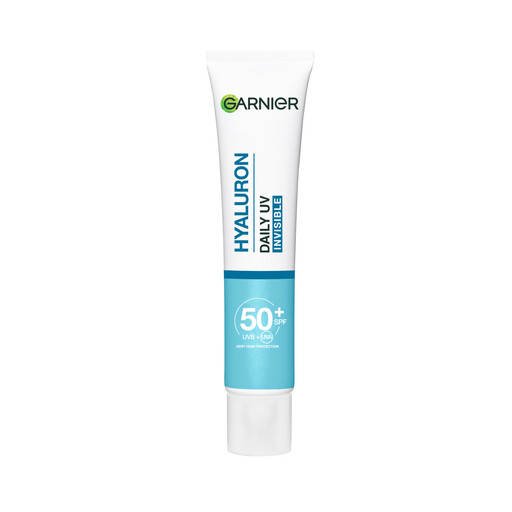
Why This Fits Their Persona: A practical starting point for commuters who want daily SPF50 protection in a lightweight 40ml facial fluid.
The product description specifies UVB, UVA and long-UVA protection, plus a non-greasy, non-sticky finish designed to blend without visible white traces.
Contains glycerin and sodium hyaluronate; listed as vegan and cruelty-free, with dermatological and ophthalmological testing stated in the description.
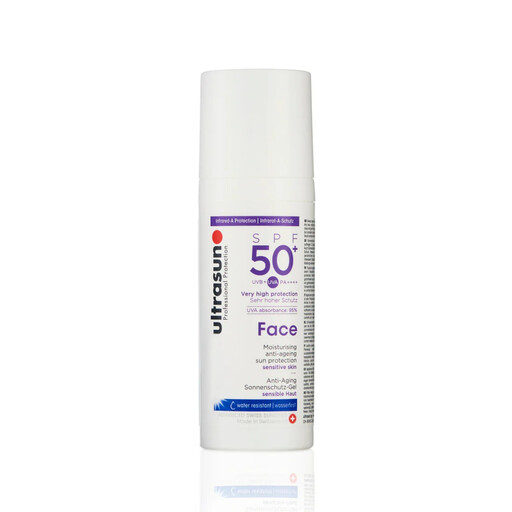
Why This Fits Their Persona: A considered option for people who want a dedicated facial sunscreen that can sit within a skincare and make-up routine.
The listed formula is described as lightweight and non-comedogenic, while the directions specify a measured two-finger application for face, neck and décolletage.
Uses lamellar technology and includes Ectoin in the ingredient list; it is positioned as a primer, moisturiser and facial sunscreen.
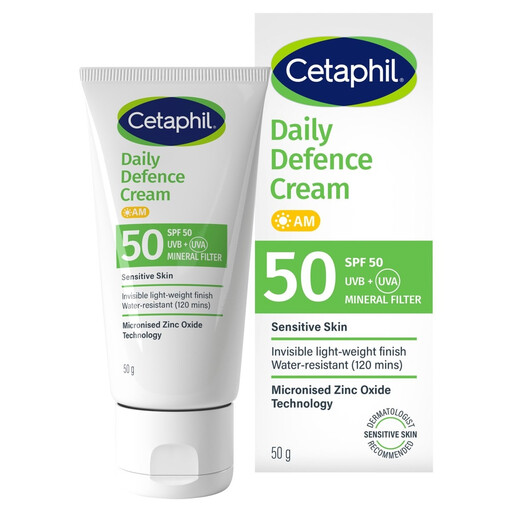
Why This Fits Their Persona: Suitable for shoppers prioritising a fragrance-free facial sunscreen with a mineral filter and a creamier feel.
The product information identifies micronised zinc oxide, no added fragrance and a non-comedogenic formulation, helping shoppers compare more than just the SPF number.
Vegan and fragrance-free according to the listing, with water resistance stated for up to 120 minutes. Patch test before regular use.
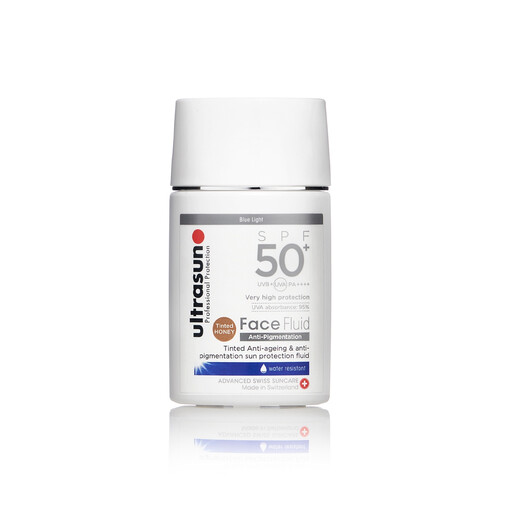
Why This Fits Their Persona: A tinted facial SPF for shoppers who want a warm, even-looking finish beneath or instead of light make-up.
Its tint addresses the visible-finish issue, while the product information clearly presents broad-spectrum SPF50+ protection rather than colour as a substitute for sunscreen.
Includes glycerin, Ectoin and a natural tint; the listing describes it as non-comedogenic and suitable for sensitive skin.
We have compiled a complete, real-time list of products that fully satisfy these strict selection criteria and UK safety regulations.
Apply sunscreen as the final step of your morning skincare routine, before make-up. Use the amount stated on the packaging; a commonly used facial guide is approximately two finger lengths for the face and neck, but follow the individual product instructions.
Reapply when spending extended time outdoors, particularly after swimming, sweating or towelling. Water resistance does not mean waterproof protection. Carry a smaller tube or fluid in your bag if you commute, walk, garden or exercise outside.
For children, use a product specifically labelled for their age group. The NIVEA Sun Kids Protect & Care SPF50+ Lotion is listed for children aged three and over, but it should not be used to justify prolonged sun exposure. Protective clothing, shade and careful supervision remain important.
UV exposure is possible throughout the year, including on bright or cloudy days. SPF50 may be particularly useful for people who spend time outdoors, have pigmentation concerns, use products that increase sensitivity to sunlight or simply prefer a high-protection daily facial formula. Choose UVA and UVB protection rather than relying on SPF alone.
It depends on how much you apply and whether you reapply. A 40ml tube may last several weeks with daily facial use, but frequent outdoor reapplication will use it more quickly. Check the open-jar symbol and packaging guidance for the recommended period after opening, and replace the product if its smell, colour or texture changes.
Yes. Lightweight fluids and invisible facial sunscreen formulas are generally designed for layering. Apply enough sunscreen first, allow it to settle, then add primer or foundation. If pilling occurs, reduce the number of skincare layers, wait longer between products and press make-up on rather than rubbing vigorously.