Caterers working to a fair-trade brief
If the event specifies the FAIRTRADE Mark, you need evidence for the exact tea ordered. A brief that accepts other named fair-trade schemes gives you a different set of options.


If the conference brief requires the FAIRTRADE Mark, check the mark and certification claim on each exact herbal-tea pack; an organic claim or a different fair-trade label does not meet that specific requirement. If the brief accepts Fair for Life, Pukka offers a separate certification route, but check the chosen blend’s pack, ingredients and serving format before ordering. For a self-service station, confirm caffeine-free claims product by product and keep ingredient and allergen information accessible.
If the event specifies the FAIRTRADE Mark, you need evidence for the exact tea ordered. A brief that accepts other named fair-trade schemes gives you a different set of options.
Check the caffeine claim on each herbal infusion rather than assuming that every product described as tea is caffeine-free. Clipper describes its catering peppermint and chamomile infusions as naturally caffeine-free.
Bag format and replenishment matter alongside the menu. Keep the current ingredient and allergen information for every option available to attendees and catering staff.
Settle which certification the event accepts before comparing flavours or pack formats. Then check the exact product against the requirements of the tea station.
Choose when: The client specifically requests Fairtrade-labelled tea. Clipper Tea Shop lists Fairtrade Organic peppermint and chamomile infusions in 250-envelope catering formats.
Check: Confirm the mark and claim on the exact pack; a claim on one infusion does not establish the status of another.
Choose when: The brief accepts Fair for Life rather than requiring the FAIRTRADE Mark. Pukka states that all its teas are Fair for Life certified.
Check: Fair for Life is a separate scheme, and the certified-ingredient percentage can differ between blends; use the chosen pack’s declaration.
Consider when: You also need a trade supplier for the wider tea station. Twinings describes Jacksons of Piccadilly as a Fairtrade range of teas and infusions for caterers.
Check: Obtain the specification for the particular herbal infusion before approving it against the event brief.
| Priority | What to check | Your needs |
|---|---|---|
| Certification | Confirm the scheme named in the brief, then check the exact pack’s mark or label and certification statement. For Fair for Life blends, check the declared percentage of fair-trade ingredients. | I need the tea ordered to match the client’s specified label, not just a general ethical-sourcing description. |
| Caffeine | Look for an explicit caffeine-free statement for each infusion. Clipper Tea Shop describes its peppermint and chamomile catering infusions as naturally caffeine-free. | Delegates should be able to identify a caffeine-free choice without guessing from a flavour name. |
| Serving format | Check whether bags are enveloped, how many are in a pack and whether the format works for replenishing the station. Clipper lists 250-envelope peppermint and chamomile catering packs. | For a self-service station, I want portions that staff can set out and replenish in the planned space. |
| Ingredients | Obtain current ingredient and allergen information for each blend; review any product-specific warnings. The Food Standards Agency says retail and catering food businesses must provide allergen information. | Attendees need a clear way to check what is in each tea, particularly when the menu includes botanical blends. |
A Fair for Life label or organic claim does not establish that a tea carries the FAIRTRADE Mark. That distinction matters if the client has specified a particular mark.
Write the accepted certification into the order specification and retain the current pack image or supplier specification for each chosen product.
Fairtrade International permits mass balance for tea, so Fairtrade-labelled tea does not necessarily mean the tea in each bag remained physically separate throughout the supply chain.
If the event calls for physical traceability, specify that separately and ask the supplier to confirm how the chosen tea meets it.
Clipper Tea Shop’s lemon-and-ginger blend lists liquorice and carries a warning that people with hypertension should avoid excessive consumption.
Review warnings on every blend offered, make its ingredient information accessible and consider a single-herb option alongside mixed blends.
A supplier’s Fairtrade foodservice range does not, by itself, establish the certification, ingredients or format of the particular herbal product you intend to serve.
Request the chosen infusion’s specification, pack image, ingredient and allergen information, and case format before approving the order.
These brand references describe possible sourcing routes, not certification or availability for every product in a range.
Clipper Tea Shop lists Fairtrade Organic peppermint and chamomile infusions in 250-envelope catering packs and describes both as naturally caffeine-free.
Pukka states that all its teas are Fair for Life certified. This is a route for briefs that accept that scheme rather than specifying the FAIRTRADE Mark.
Twinings operates a UK trade site and describes Jacksons of Piccadilly as a Fairtrade range of teas and infusions for caterers.
These Pukka herbal teas are options for a conference brief that accepts Pukka’s Fair for Life route. They do not replace a requirement for the FAIRTRADE Mark; check each chosen pack’s certification declaration and ingredient information before ordering.
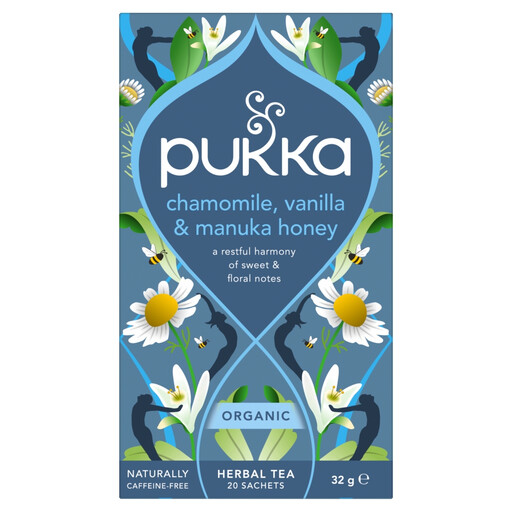 No image available
A chamomile-led option to consider when the brief accepts Pukka’s Fair for Life scheme. The product information advises caution for people allergic to plants in the chamomile family; check the current ingredients, allergen information and pack certification declaration before service.
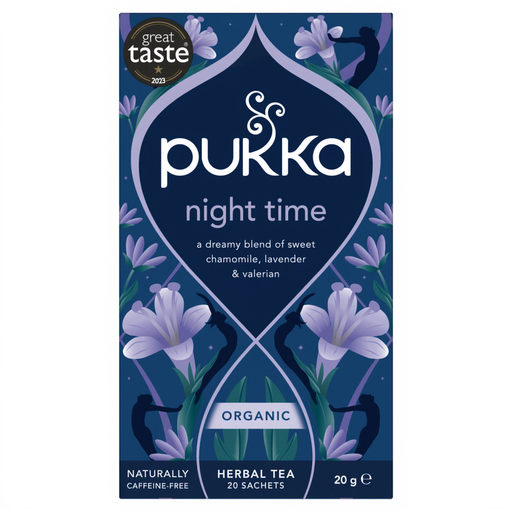 No image available
A 20-bag herbal option for a brief that accepts Pukka’s Fair for Life scheme. Oats are flagged as an allergen for this blend, so confirm the current pack information and make the ingredient and allergen details available at the tea station.
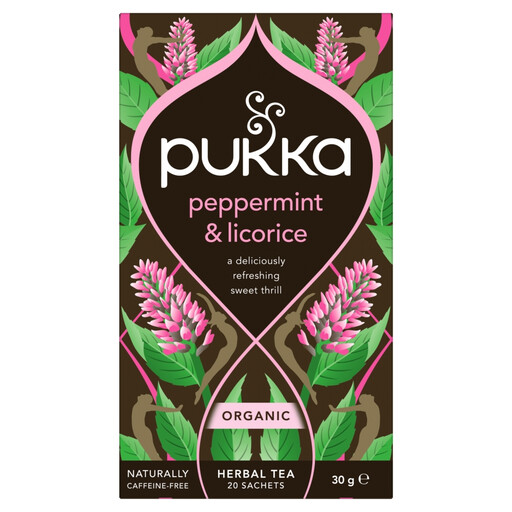 No image available
A mint-and-liquorice blend to consider only if its ingredients and warnings can be communicated clearly at the tea station. Its product information says people with high blood pressure should avoid excessive consumption and advises consultation during pregnancy; check the current pack before ordering.
 No image available
A mint option for a brief that accepts Pukka’s Fair for Life scheme, subject to confirming the exact product. The Joybuy title identifies Three Mint, but other product text describes Three Ginger; check the pack and ingredient list before ordering or displaying attendee information.
No: the wording of the event brief determines which certification is acceptable. Fair for Life is a separate scheme, so ask the client to name the required mark or accepted standards before selecting a herbal tea.
Not necessarily. Fairtrade International permits mass balance for tea, which does not guarantee that the physical tea in each bag was kept separate throughout the supply chain. If physical traceability matters to the event, specify it separately and seek confirmation from the supplier.
Keep current supplier ingredient and allergen information for every tea and make sure attendees can obtain it. The Food Standards Agency says food businesses in the retail and catering sector must provide allergen information; review any additional warnings on individual blends as well.
Check the exact blend before making it the only herbal option. Clipper Tea Shop’s lemon-and-ginger product contains liquorice and carries a warning for people with hypertension; a single-herb peppermint or chamomile infusion offers an alternative, provided its own ingredients and certification meet the brief.
They can make individual portions straightforward to set out and replenish. Clipper Tea Shop lists its Fairtrade Organic peppermint and chamomile catering infusions in 250-envelope formats; check the exact pack format and your station’s replenishment and waste arrangements before ordering.