Families baking with chocolate or cocoa
If the Fairtrade choice is about what goes into the recipe, check the claim on the chocolate or cocoa itself. An ice lolly served afterwards is a separate purchase.


If Fairtrade matters most for the bake, choose chocolate or cocoa with a clear Fairtrade claim, then choose any ice lolly served alongside it separately. The Fairtrade Foundation distinguishes its classic Mark, which covers all ingredients that can be Fairtrade-certified, from its Fairtrade Sourced Ingredient Mark, which identifies a particular ingredient. Check the exact claims on both packs, along with allergens, portion size and frozen-storage instructions for the lolly.
If the Fairtrade choice is about what goes into the recipe, check the claim on the chocolate or cocoa itself. An ice lolly served afterwards is a separate purchase.
Compare the exact lolly packs for ingredients, allergens, individual portions and storage instructions, particularly when children will also be eating the bake.
Look for a claim on the particular frozen product and read which ingredients it covers. A retailer’s Fairtrade range or a chocolate flavour does not establish the claim for an individual lolly.
Decide whether the Fairtrade requirement applies to the baking ingredient, the frozen treat or both; then compare the products that will actually be served.
| Priority | What to check | Your needs |
|---|---|---|
| Fairtrade claim | Find the mark and read its accompanying wording. The Fairtrade Foundation says the classic Mark covers all ingredients that can be Fairtrade-certified, while the Fairtrade Sourced Ingredient Mark identifies a particular Fairtrade ingredient. Check whether the pack also specifies mass balance. | I want the chocolate or cocoa in our recipe to have a clear Fairtrade claim, rather than treating a cocoa-flavoured lolly as evidence of one. |
| Ingredients and allergens | Read the current labels of both the baking ingredient and the lolly. Check declared allergens and precautionary wording such as “may contain”; do not rely on flavour or pack appearance. | If a child has an allergy, I need to check each product against that child’s requirements before we use or serve it. |
| Portions and nutrition | Compare the number of individual lollies and their stated volume. For nutrition, compare figures per lolly or serving as well as any per 100 g or per 100 ml values, using the same measure across products. | The bake is already part of the treat, so I want to know what each child would be served alongside it. |
| Frozen storage | Check the particular lolly pack for its storage temperature and instructions after defrosting. Allow for keeping the lollies frozen until serving. | We may bake before serving the lollies, so I need a way to follow the pack’s storage instructions in between. |
Cocoa in an ingredient list does not, by itself, establish a Fairtrade claim. The Fairtrade Foundation also distinguishes between a claim covering all certifiable ingredients and one identifying a particular sourced ingredient.
Read the mark and its wording on the exact chocolate, cocoa or lolly pack. If Fairtrade is your priority for baking, make that check on the baking ingredient first.
A retailer may list Fairtrade groceries and ice lollies in separate ranges. The category a shop offers does not establish the certification of a particular frozen product.
Check the individual product information and current pack before treating a lolly as Fairtrade.
The product examples from Sainsbury’s and Asda include different milk, wheat, soya, egg and precautionary nut information. A similar-looking flavour is not a substitute for the label of the product being served.
Check both the baking ingredient and the lolly against the child’s allergy requirements. Follow the child’s existing professional allergy advice where applicable.
These examples show different roles in the baking-and-lolly decision; a brand name alone does not establish a Fairtrade claim for every product it makes.
Sainsbury’s describes the Green & Black’s Organic 70% Dark Chocolate Bar as containing 70% cocoa solids and states that its cocoa, sugar and vanilla are traded in compliance with Fairtrade Standards, totalling 100%.
Asda’s Cookie Dough tub listing names Fairtrade sugar, cocoa and vanilla: 65% of the product excluding water and dairy, on a mass-balance basis. It is an ice-cream tub, not an ice lolly or baking-chocolate substitute.
Sainsbury’s and Tesco list Calippo and Twister products among their ice-lolly ranges. They are frozen-treat options to assess separately from chocolate used in a bake.
Sainsbury’s lists own-brand frozen lollies as well as Fairtrade groceries. Assess a lolly’s claim on its own product information rather than transferring a claim from another part of the shop.
Asda lists an assorted pack of eight 35 ml milk lollies in strawberry, chocolate and vanilla flavours.
These options include chocolate and cocoa for the baking ingredient, followed by ice lollies to serve separately. Check each pack’s Fairtrade wording when certification is part of the decision.
 No image available
A chocolate-bar option for a recipe that calls for dark chocolate. The 90g bar states 70% cocoa solids; Joybuy’s product information names Fairtrade cocoa, sugar and vanilla and specifies mass balance. Check the current pack’s claim and its precautionary wording about almonds, hazelnuts and milk before using it.
 No image available
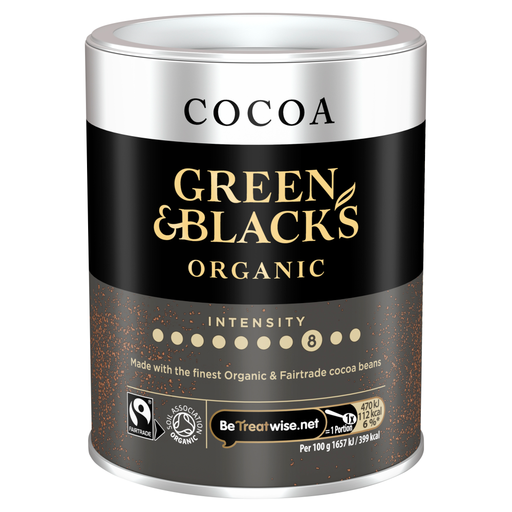
A 125g cocoa option when the recipe calls for powder rather than a chocolate bar. If Fairtrade sourcing is decisive, check the current pack for the precise mark and the ingredients it covers. Check its milk precautionary wording before baking for a child with a milk allergy.
 No image available
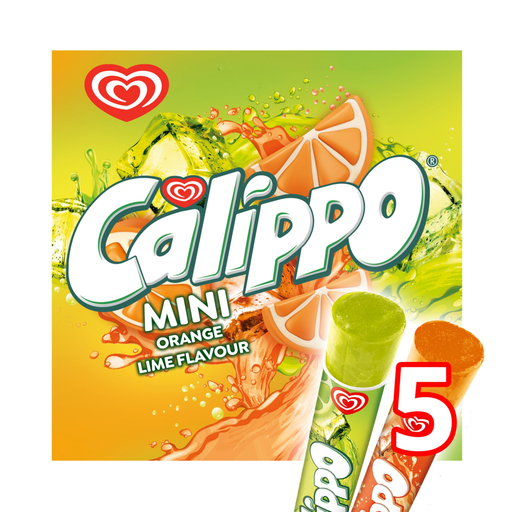
A citrus-flavoured frozen accompaniment after baking, with five 80 ml lollies. Compare the current pack’s ingredients, per-lolly nutrition and allergen information; check its own label if you require a Fairtrade-certified lolly.
 No image available
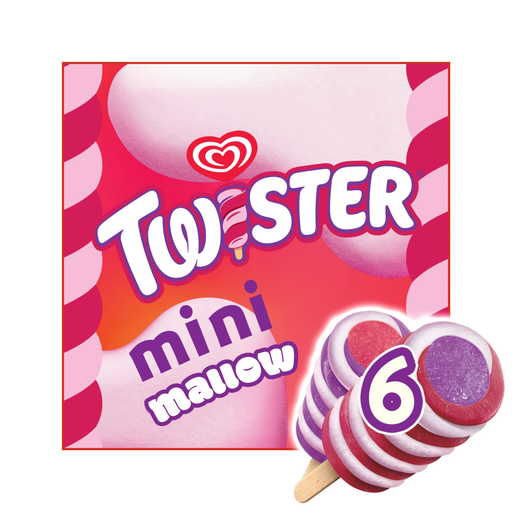
Six 50 ml ice-cream lollies for serving separately from the bake. Check the current pack for milk and precautionary soya and almond information, as well as any Fairtrade claim you need the lolly itself to meet.
 No image available
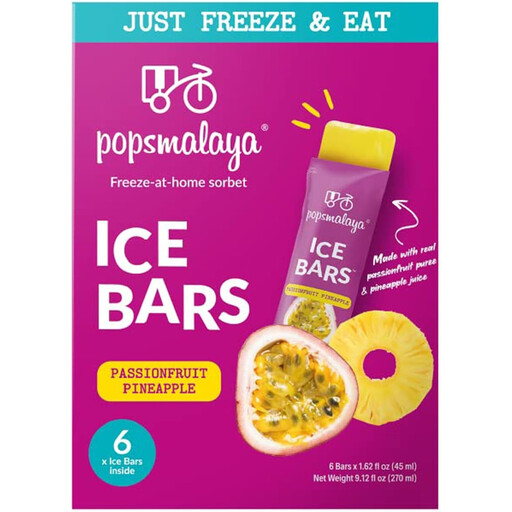
A passion fruit and pineapple frozen-treat option with six 45 ml bars. Read the current pack for ingredients, allergens and storage instructions, and check for a product-specific Fairtrade claim if one matters to your choice.
According to the Fairtrade Foundation, the classic Fairtrade Mark means all ingredients that can be Fairtrade-certified are certified; the Fairtrade Sourced Ingredient Mark identifies a particular Fairtrade-sourced ingredient. Read the wording beside the mark to see what the claim covers on that chocolate pack.
No. Cocoa or chocolate flavour alone does not establish a Fairtrade claim. Check the individual lolly’s pack for a mark and wording that identifies the scope of any claim.
If your priority is the ingredient used in the bake, check the Fairtrade claim on the chocolate or cocoa first. Choose a lolly separately for serving afterwards, and check its own pack if you also want the frozen treat to carry a Fairtrade claim.
Read the current pack’s ingredients, declared allergens, precautionary allergen wording and storage instructions. Milk lollies and other frozen desserts can have different allergen statements, so check the particular product rather than relying on its flavour name or an older listing.
Follow the instruction on that lolly’s pack. For example, Joybuy’s Rowntree’s Fruit Blaster listing says to store its lollies at −18°C or cooler and not to refreeze them after defrosting; check the instructions for any other product separately.