Hosts serving one bar per guest
A case of separate bars avoids dividing a large bar at the table. Divine Chocolate describes its case of 30 × 35g milk bars as a party format; check the current pack’s ingredients and allergens before serving.


For one bar per guest, Divine’s case of 30 × 35g milk chocolate bars offers straightforward portions. For a shared tasting plate, the listed Green & Black’s 85% dark and 37% milk 90g bars give guests two distinct choices. Check the Fairtrade wording and allergen information on each current pack; if a state-funded school in England is providing the food, check the applicable school-food rules before choosing chocolate.
A case of separate bars avoids dividing a large bar at the table. Divine Chocolate describes its case of 30 × 35g milk bars as a party format; check the current pack’s ingredients and allergens before serving.
Dark and milk bars can be broken into pieces so guests can choose between them. Keep the wrappers available: the listed Green & Black’s 85% dark and 37% milk bars have different allergen declarations.
If a state-funded school is providing afternoon tea to pupils, check England’s school-food requirements before selecting chocolate. Fairtrade certification does not create an exemption from those requirements.
Decide how the chocolate will be served, then check the exact bar’s certification wording and packaging before putting it on the table.
| Priority | What to check | Your needs |
|---|---|---|
| Fairtrade claim | Check the mark or wording on the exact variant. The Fairtrade Foundation says the classic FAIRTRADE Mark covers ingredients that can be Fairtrade-certified; a Fairtrade Sourced Ingredient Mark names the ingredient it covers. | I want to know whether the claim applies to the bar’s certifiable ingredients or to a named ingredient such as cocoa. |
| Serving format | Compare separate bars with a bar you intend to break up. Divine Chocolate lists 30 × 35g milk bars in its party case; the cited Green & Black’s dark and milk bars are each 90g. | Will each guest receive a bar, or would I rather set out pieces for people to choose from? |
| Allergens | Read each current wrapper, including ingredients and ‘may contain’ statements. The listed Green & Black’s 85% dark bar may contain nuts and milk; its 37% milk bar contains milk and soya and may contain nuts. | If I break bars onto a shared plate, I need to keep accurate information for each flavour close to the food. |
| School setting | For food provided to pupils by a state-funded school in England, check the Requirements for School Food Regulations 2014 and current Department for Education guidance. The regulations include chocolate within the definition of confectionery. | For a school afternoon tea in England, I cannot assume a Fairtrade label changes the rules on what may be served. |
Organic status, Rainforest Alliance certification and a FAIRTRADE Mark describe different things. KitKat UK, for example, describes its cocoa mass as Rainforest Alliance certified, not as carrying a Fairtrade claim.
If Fairtrade matters to your choice, check the exact bar’s current mark or wording and which ingredients it covers.
Milk and dark variants can have different ingredients and precautionary statements. The cited Green & Black’s 85% dark bar may contain nuts and milk, while its 37% milk bar contains milk and soya and may contain nuts.
Check each current pack, retain the wrappers and keep flavours identifiable when setting out pieces.
England’s school-food regulations include chocolate within their definition of confectionery; certification does not change that definition.
Where a state-funded school in England provides food to pupils, check the applicable regulations, current Department for Education guidance and the school’s food policy before planning the menu.
Divine describes its range as Fairtrade chocolate and says the company is co-owned by cocoa farmers.
The cited 85% dark and 37% milk 90g bars provide two Fairtrade-listed choices for a tasting plate; the claim should not be extended to every product in the range.
Cocoa Loco lists dark, milk and flavoured bars. Amnesty Shop identifies the brand as sourcing beans from Fairtrade farmers.
These bars offer dark, milk and flavoured choices for an afternoon-tea tasting or shared plate. Check each current pack’s Fairtrade wording, ingredients and serving format against your plans.
 No image available
A dark option for a tasting plate, with 85% cocoa stated for this 90g bar. The Joybuy listing names Fairtrade cocoa, sugar and vanilla and qualifies the sourcing with mass-balance wording. It says the bar may contain nuts and milk; check the current pack before serving.
 No image available
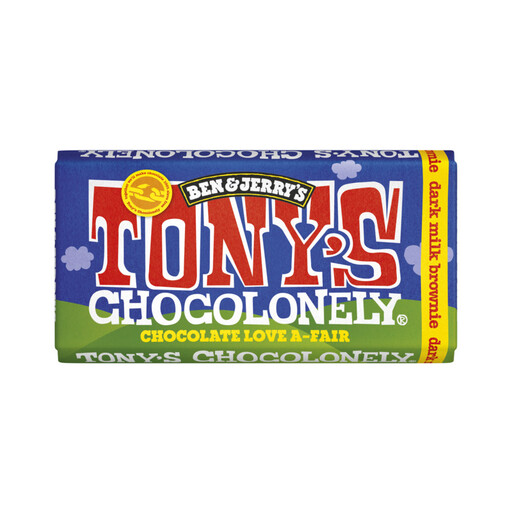
A 180g dark-milk chocolate bar with fudge brownie pieces to consider for a shared plate. Check the current pack for the scope of its Fairtrade cocoa claim and for allergens before serving it to guests.
 No image available
This 90g dark chocolate and raspberry bar offers another flavour for a tasting plate. Check its current Fairtrade wording and ingredients. Product information gives conflicting milk and vegan descriptions, so do not rely on the vegan wording without checking the pack.
 No image available
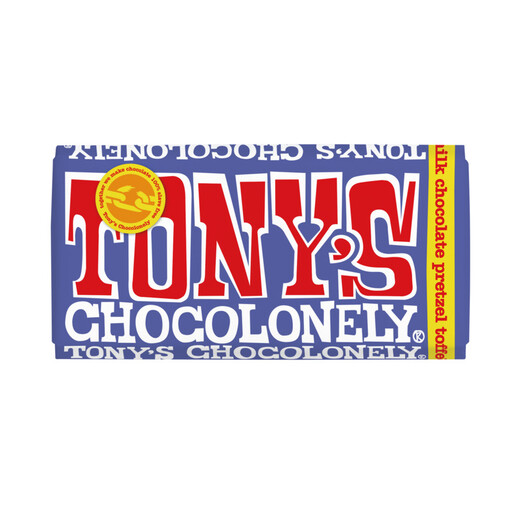
This 180g milk chocolate bar adds pretzel and toffee to a shared tasting plate. Check which ingredients its current Fairtrade wording covers, and read the pack’s ingredient and allergen information before serving.
 No image available
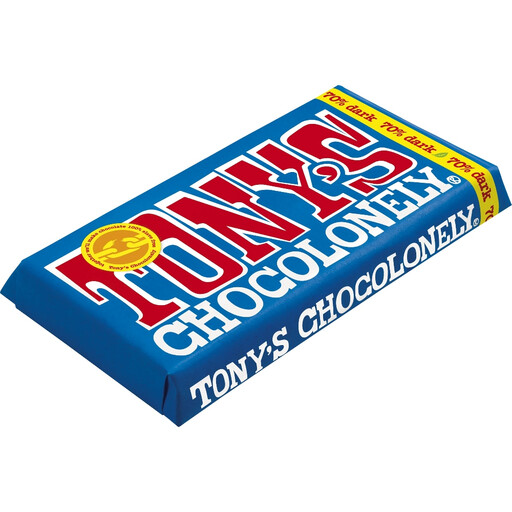
A 180g dark chocolate option for a tasting plate. Check the exact Fairtrade ingredient claim on the current pack, along with its ingredients and precautionary allergen information, before offering pieces to guests.
Read the mark or wording on the exact current pack. The Fairtrade Foundation says the classic FAIRTRADE Mark applies to ingredients that can be Fairtrade-certified, while the Fairtrade Sourced Ingredient Mark identifies a named Fairtrade-sourced ingredient. An organic or Rainforest Alliance claim is not a substitute for either mark.
No. Fairtrade certification does not exempt food from England’s school-food requirements. If a state-funded school is providing food to pupils, check the Requirements for School Food Regulations 2014 and current Department for Education guidance before planning the menu. Proposed changes from September 2027 remain subject to Parliamentary approval.
Keep each current wrapper and make it clear which pieces came from which bar. The Food Standards Agency’s guidance distinguishes allergen-information requirements by how food is packaged and provided. Check flavours separately: the cited Green & Black’s dark and milk bars have different milk, soya and precautionary nut statements.
No. KitKat UK describes the cocoa mass in its UK and Ireland bars as Rainforest Alliance certified, which is different from a Fairtrade claim. If Fairtrade is essential, check the wording on the exact bar you plan to buy.