Fairtrade-first party hosts
If a recognisable Fairtrade claim is part of the party plan, the mark and its wording on the chosen bar matter more than a broad statement about responsible cocoa sourcing.


If Fairtrade certification matters for a birthday party, choose by the wording on the exact chocolate-bar pack, not by a familiar brand name or a general cocoa-sourcing logo. Check whether its mark applies to ingredients that can be Fairtrade-certified or to a named ingredient such as cocoa; then check the current wrapper for guests’ dietary needs and, for a school event, the venue’s food policy.
If a recognisable Fairtrade claim is part of the party plan, the mark and its wording on the chosen bar matter more than a broad statement about responsible cocoa sourcing.
Check each chosen flavour’s current ingredients and allergen statements before handing bars out. Keep the wrappers available so guests or parents can read them.
England’s Requirements for School Food Regulations 2014 include chocolate in their definition of confectionery. Ask the school which food rules and event policy apply before supplying bars there.
Start with the Fairtrade claim on the exact pack, then check the flavour and format against the guest list. A school venue adds a separate policy check.
| Priority | What to check | Your needs |
|---|---|---|
| Fairtrade wording | Look for the FAIRTRADE Mark and read any accompanying wording. The Fairtrade Foundation says the classic mark covers ingredients that can be Fairtrade-certified; Fairtrade International says its Sourced Ingredient mark can identify just one Fairtrade-sourced ingredient. | I want to know whether the claim covers the bar’s eligible ingredients or a named ingredient such as cocoa. |
| Brand and flavour | Check the chosen flavour and pack rather than extending a brand-level sourcing statement to every bar. A different cocoa-sourcing programme does not, by itself, establish a Fairtrade claim. | A familiar brand may appeal to my guests, but I need the particular bar to meet the party’s Fairtrade requirement. |
| Ingredients and serving format | Read the current ingredients, allergen information and any precautionary statement. Check the bar size and whether its packaging suits the way it will be served. | I need guests or parents to be able to check what they are being offered, especially when flavours or dietary requirements differ. |
| School venue | For an event at a school in England, confirm the school’s event policy and applicable food requirements before ordering chocolate. | If the party is at a school, I need to know whether chocolate can be supplied at that particular event. |
Fairtrade International distinguishes its Sourced Ingredient mark from a claim about all ingredients that can be Fairtrade-certified. Company cocoa programmes make different claims.
Read the mark and the named ingredient on the exact wrapper before describing a bar to guests as Fairtrade.
A statement about a brand or range does not establish the wording on another flavour or multipack.
Recheck the pack when changing flavours, sizes or formats, even within the same brand.
A wrapper helps keep product information available, but it does not replace checking the ingredients and precautionary allergen wording for that particular bar.
Keep wrappers available, ask guests or parents about relevant restrictions, and do not guess when a label leaves an allergy concern unresolved.
England’s Requirements for School Food Regulations 2014 define chocolate as confectionery for their purposes. That is a different question from how retailers promote products.
For a school party, ask the venue what applies to the event. Do not assume England’s rules describe the position in every UK nation.
These brand references are starting points for reading a pack, not a guarantee that every flavour or format carries the same claim.
A starting point for a Fairtrade-led choice: Fairtrade International describes Divine as Fairtrade and farmer-owned.
A familiar-brand option to assess separately from a Fairtrade-specific requirement.
A wafer-bar option whose stated cocoa-sourcing claim should not be confused with Fairtrade certification.
These dark and milk chocolate bars offer different flavours and sizes for a birthday party. Where a Fairtrade claim is central to your choice, read the exact pack’s mark and ingredient wording before deciding; check its current allergen statements before serving.
 No image available
A 90g dark chocolate bar for a party where that flavour suits the guests. Check the wrapper for the precise Fairtrade claim and current allergen wording before serving.
 No image available
This 180g milk chocolate bar offers a caramel-and-sea-salt flavour. Read the exact pack to establish which ingredients its Fairtrade wording covers, and check allergens before offering it to guests.
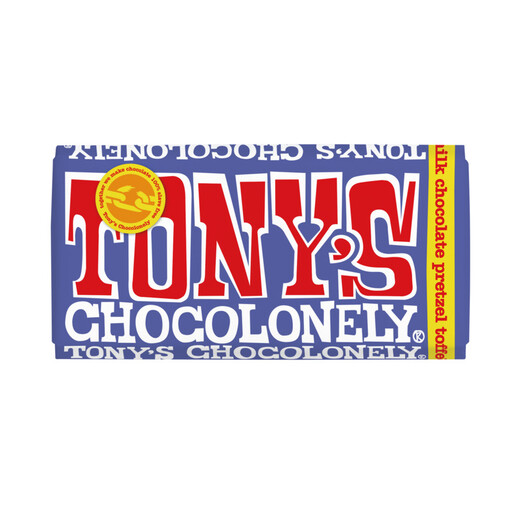 No image available
Consider this 180g bar if pretzel and toffee suit the party’s flavour choices. Check the current wrapper for its Fairtrade wording and ingredients; the pretzel variety particularly warrants an allergen check for guests who need one.
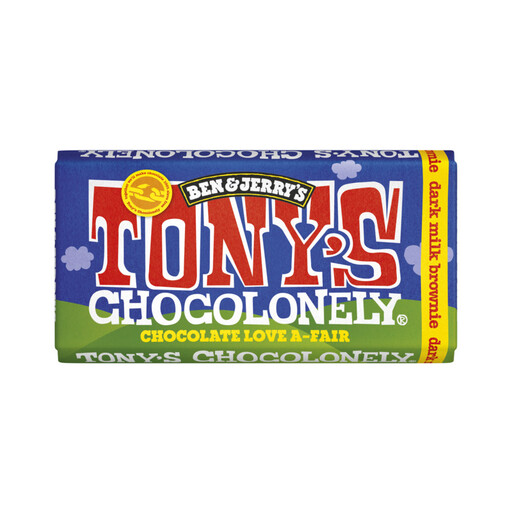 No image available
This 180g dark milk chocolate bar has a fudge-brownie flavour. Its cocoa-focused Fairtrade claim should not be taken to cover every ingredient; read the pack’s wording and allergen statements before serving.
 No image available
This 90g dark chocolate bar offers a raspberry flavour from a Fairtrade-associated brand. Check the exact wrapper for the scope of its Fairtrade claim and its current ingredients; do not assume dietary suitability from the brand or flavour name.
No: a cocoa-sourcing claim alone does not establish Fairtrade certification. Check the exact pack for a FAIRTRADE Mark and read any wording about the ingredient it covers. Cadbury’s Cocoa Life and KitKat’s stated cocoa programme make different sourcing claims.
According to the Fairtrade Foundation, the classic FAIRTRADE Mark indicates that ingredients which can be Fairtrade-certified are certified. Fairtrade International says its Sourced Ingredient mark can identify one ingredient purchased on Fairtrade terms, such as cocoa. Read the named ingredient and any accompanying explanation on the bar you choose.
Read each chosen flavour’s current ingredients, allergen information and any precautionary allergen statement. Keep its wrapper available for guests or parents rather than relying on another flavour’s packaging or an older ingredient list.
Ask the school before supplying them. England’s Requirements for School Food Regulations 2014 include chocolate in the definition of confectionery, but whether and how food may be supplied at a particular event needs to be checked with the venue. Do not apply England’s rules automatically to a school elsewhere in the UK.