Shoppers who require Fairtrade
You want the sourcing claim to apply to the bar you are buying, while keeping the amount you buy in line with your planned shop.


If Fairtrade certification matters to you, choose an exact bar whose current pack carries a Fairtrade Mark or clearly identifies its Fairtrade ingredients; a general responsible-cocoa claim is not the same thing. For a budget shop, consider how much chocolate you want to buy, check any offer conditions, and read the ingredients and allergen information for that particular recipe.
You want the sourcing claim to apply to the bar you are buying, while keeping the amount you buy in line with your planned shop.
You are considering Cadbury, Galaxy, Mars, Snickers, Twix or KitKat and want to distinguish their sourcing statements from a Fairtrade claim on an individual product.
You need to compare the exact recipe’s ingredients, allergen statement and nutrition information as well as its sourcing label.
Start with the exact pack’s sourcing statement, then consider the quantity and recipe you are choosing.
| Priority | What to check | Your needs |
|---|---|---|
| Fairtrade status | Look for a Fairtrade Mark or a statement naming the Fairtrade ingredients on the exact bar. Check which ingredients the statement covers; do not treat a different cocoa-sourcing programme as interchangeable. | I want to know what the Fairtrade claim covers before choosing between a labelled bar and a familiar brand. |
| Pack size | Check the weight of the bar and the conditions of any offer. A small bar and a larger sharing bar serve different quantities. | A smaller bar may fit this shop better, while a larger one only makes sense if I want that quantity. |
| Recipe and label | Read ingredients, the allergen and precautionary statements, and sugars per serving on the current pack. Recheck when switching flavours or formats. | I need the particular recipe to fit my ingredient requirements; a Fairtrade statement does not answer that question. |
Cadbury’s Cocoa Life statement, Galaxy’s Rainforest Alliance sourcing statement and KitKat’s certification describe different approaches. None establishes a Fairtrade claim for every bar sold under those brands.
If Fairtrade is essential, use the mark or ingredient statement on the exact product rather than a brand-wide sourcing page or a different pack format.
A smaller bar changes how much you take home; an offer on a larger bar may also have a loyalty-card condition.
Check the bar’s weight and any offer requirements, then choose the quantity that fits your shop.
Plain, filled and biscuit-containing bars can have different ingredients and allergen statements, even within one brand.
Read the current pack’s ingredients, precautionary allergen wording and nutrition panel for the flavour you intend to buy.
These examples describe particular products or sourcing statements, not every bar a brand makes.
Tesco describes the 180g milk chocolate bar as containing sugar, cocoa butter and cocoa mass traded in compliance with Fairtrade Standards.
Tesco’s listing for the 35g milk chocolate mini bar names Fairtrade sugar, cocoa butter, cocoa mass and vanilla.
Cocoa Life, Mondelēz International’s sourcing programme, says Cadbury Dairy Milk cocoa is sourced through Cocoa Life.
Galaxy describes cocoa sourcing from Rainforest Alliance Certified farms for Galaxy Smooth Milk.
Tesco’s listing for the 51g Mars bar describes responsibly sourced cocoa; a separate Mars-containing selection box lists Fairtrade ingredients.
Snickers is a Mars chocolate-bar range.
Twix is a Mars chocolate, caramel and biscuit bar range.
Nestlé UK and Ireland says two-finger and four-finger KitKat moved from Fairtrade to Rainforest Alliance certification.
These Joybuy options include dark, milk and filled chocolate bars. For a Fairtrade-focused shop, check the sourcing statement on the exact pack, particularly when the wording refers to an ingredient rather than the whole bar.
 Image unavailable
For a smaller dark chocolate bar, this 90g variant is labelled 85% cocoa. Check the current pack for its precise Fairtrade wording and precautionary allergen statement.
 Image unavailable
Consider this 180g milk chocolate bar if you want caramel and sea salt. Its name includes Fairtrade, but check the exact pack for the ingredients covered and its milk, soya and precautionary allergen wording.
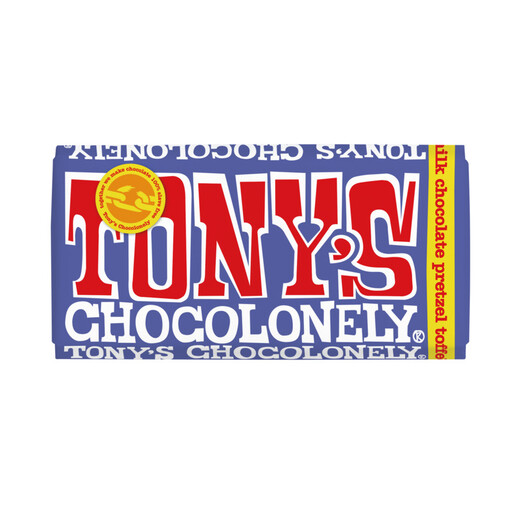 Image unavailable
This 180g variant combines milk chocolate with pretzel and toffee. Check its own Fairtrade ingredient wording and the current allergen statement, including information relevant to wheat.
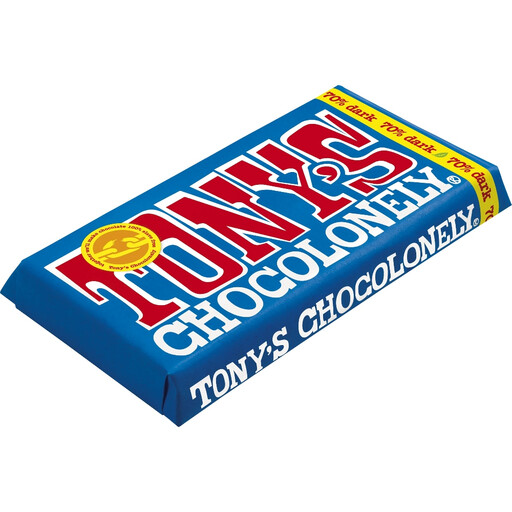 Image unavailable
If you want dark chocolate in a 180g bar, check this variant’s current pack for its Fairtrade ingredient statement. Read the allergen information separately; a dark chocolate name does not settle whether a recipe contains or may contain particular allergens.
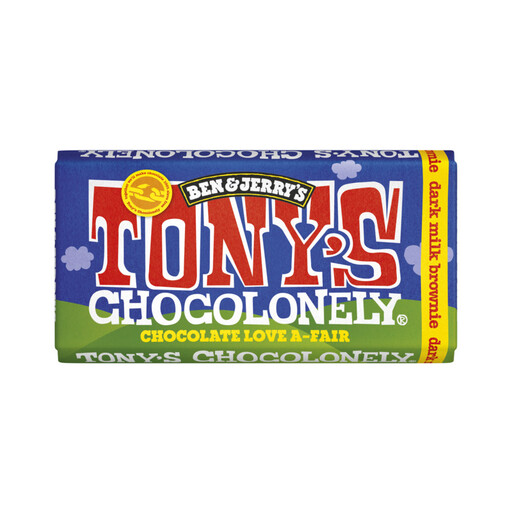 Image unavailable
Choose this 180 g brownie variant only after checking the sourcing claim you require: its product description refers to Fairtrade cocoa beans, not to every eligible ingredient. Check the pack’s allergen statement for this filled recipe.
No. Cocoa Life and Rainforest Alliance sourcing statements are not interchangeable with a Fairtrade claim. If Fairtrade is your requirement, check the mark or named Fairtrade ingredients on the exact bar you plan to buy.
Start with the quantity you want, then check the pack weight and any conditions attached to an offer. A small bar may suit a single treat; a larger bar is a different quantity, not automatically the right choice for your shop.
Yes. Recipes and precautionary statements vary between bars and flavours. Read the current pack’s ingredients and allergen information, particularly when choosing a filled or biscuit-containing variant.
No. Fairtrade wording concerns sourcing, not the bar’s nutrition. Use the current pack’s nutrition panel to compare sugars on the same basis, such as per 100g or per serving.