Solo campers travelling light
A single bar avoids carrying a sharing pack or dividing chocolate at camp. Tony’s Chocolonely lists a 50g Fairtrade milk bar; check its milk and soya ingredients and precautionary allergen wording before choosing it.


Choose a chocolate bar with a clear Fairtrade claim on the exact product, then match the format to your group: a 50g bar is straightforward to pack for one person, a 180g bar can be divided among a small group, and mini bars make more sense when you are supplying a larger camp. Check the wrapper for allergens before sharing, and plan for cool, dark, dry storage rather than leaving chocolate in a hot tent.
A single bar avoids carrying a sharing pack or dividing chocolate at camp. Tony’s Chocolonely lists a 50g Fairtrade milk bar; check its milk and soya ingredients and precautionary allergen wording before choosing it.
Tony’s Chocolonely lists a 180g Fairtrade milk bar that a small group can divide. For distribution to a much larger group, Divine Chocolate lists a pack of 100 mini milk bars at 4.2g each. The pack count matters as much as the size of each piece when deciding what to carry.
The Fairtrade Foundation distinguishes the classic Fairtrade Mark from the Fairtrade Sourced Ingredient Mark: the latter identifies a particular sourced ingredient. Check the claim on the exact bar rather than treating every cocoa-sourcing logo as equivalent.
Start with the Fairtrade claim on the bar you intend to buy, then choose a pack size and check whether its allergen information and storage guidance work for your trip.
| Priority | What to check | Your needs |
|---|---|---|
| Fairtrade scope | Look for the mark or product-specific statement on the exact bar. The Fairtrade Foundation says the classic Mark covers ingredients that can be Fairtrade-certified, while its Sourced Ingredient Mark identifies a particular Fairtrade-sourced ingredient. | I want to know whether the claim applies to the bar’s certifiable ingredients or to a named ingredient such as cocoa. Another cocoa-sourcing logo alone does not answer that question. |
| Pack format | Compare the stated weight and count with the number of people sharing. Tony’s Chocolonely lists 50g and 180g milk bars; Divine Chocolate lists 100 mini milk bars at 4.2g each. | For one camper, I would rather carry one bar than a bulk pack. If I am supplying a group, I need to decide whether we will divide a larger bar or hand out separate mini bars. |
| Allergens | Read the current ingredients and any ‘may contain’ wording on the wrapper. The cited Tony’s milk bars contain milk and soya; Divine’s cited mini milk bars contain milk and may contain nuts and cereals containing gluten. | Before I offer chocolate to other campers, I need to check the exact flavour and pack for ingredients or cross-contact warnings relevant to them. |
| Camp storage | Check the product’s storage directions and keep bars out of direct sun. Tony’s Chocolonely explains that warmth and abrupt temperature changes can cause fat or sugar bloom. | I need somewhere cool, dark and dry to keep the bars, rather than leaving them in a sunny day bag or hot tent. |
Galaxy’s information for Smooth Milk and KitKat UK’s cocoa information describe Rainforest Alliance-related sourcing. Those statements do not establish that a particular bar carries a Fairtrade claim.
If Fairtrade is a requirement, inspect the exact product’s mark or Fairtrade statement rather than deciding from the brand name or a different certification logo.
A 100-piece pack serves a different sharing plan from a 50g single bar or a 180g bar. It also takes more space to carry.
Work out how many people you intend to offer chocolate to before choosing between an individual bar, a bar to divide and individually wrapped mini bars.
An oversized pack may leave you carrying unused bars.
A Fairtrade claim says nothing about whether a bar suits someone with an allergy. The cited Tony’s milk bars and Divine mini bars carry different ingredient and precautionary allergen statements.
Check the wrapper you actually buy, including its ‘may contain’ wording, before sharing. Keep snacks intended for allergy-sensitive campers separate from communal supplies.
Tony’s Chocolonely explains that warmth or sudden temperature changes can cause chocolate bloom, changing its appearance and texture; the brand describes bloom itself as harmless.
Keep sealed bars somewhere cool, dark and dry, away from direct sunlight, and avoid moving them repeatedly between a hot tent and a fridge.
These examples illustrate different Fairtrade-labelled formats; check the claim and wrapper on the specific bar you choose.
Tony’s Chocolonely lists Fairtrade cocoa and sugar for its cited 50g and 180g milk bars, giving individual and sharing formats within the same product line.
Divine Chocolate says it is co-owned by farmers of the Kuapa Kokoo cocoa cooperative. Its cited 100-pack of mini milk bars is made with Fairtrade cocoa and sugar.
Co-op identifies its Irresistible 85% dark chocolate 100g bar as Fairtrade and vegetarian. It is a different flavour and format choice from the cited milk bars.
These Joybuy listings are chocolate bars to consider when packing for a festival, including larger bars to divide and smaller dark bars. Check the Fairtrade statement and allergen wording for the exact variant you buy; these are not the same products as every brand example above.
 No image available
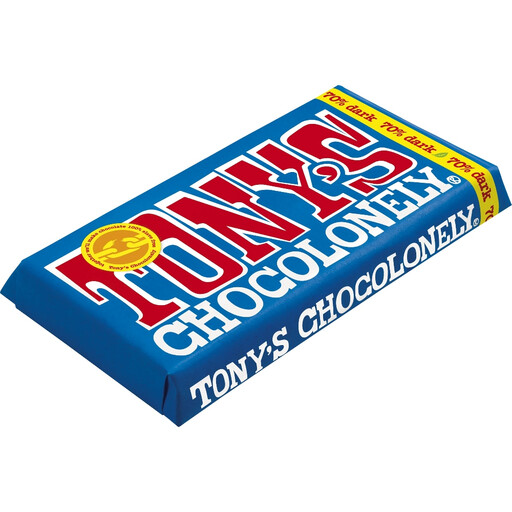
This 180g bar can be divided among campers, and its product information states Fairtrade ingredient sourcing. Check the exact wrapper before sharing: the supplied allergen information lists milk and soya and warns of possible gluten-containing cereals, eggs, nuts and peanuts. Store dry and away from heat.
 No image available
The 180g format suits a group prepared to divide one bar; the product information states Fairtrade ingredient sourcing and specifies caramel pieces and sea salt. It lists milk and soya and warns of possible gluten-containing cereals, eggs, nuts and peanuts. Check the wrapper before sharing and keep the bar dry and away from heat.
 No image available
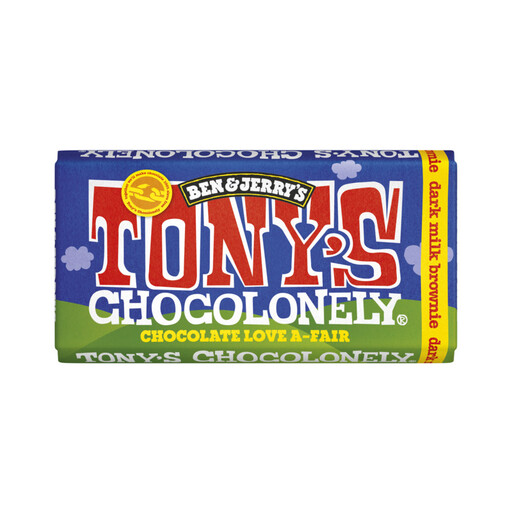
This 180g bar offers another format to divide at camp, with brownie pieces and Fairtrade cocoa stated in its product information. It contains milk, soya and wheat and may contain eggs, nuts and peanuts. Check the wrapper before sharing; the product guidance calls for cool, dry, dark storage rather than refrigeration.
 No image available
For someone who prefers a dark bar, this 90g variant states 85% cocoa solids and identifies Fairtrade cocoa, sugar and vanilla. Its product information says Fairtrade ingredients may be mixed with non-certified ingredients on a mass-balance basis. It may contain almonds, hazelnuts and milk; check the wrapper and protect the bar from heat.
No image available
This 90g raspberry bar is described as Fairtrade-certified dark chocolate with 70% cocoa solids. Its product description gives conflicting information about milk, so do not use the description to decide whether it suits someone avoiding milk or managing an allergy: check the actual wrapper before buying or sharing. Store in a cool, dry place.
Not necessarily. The Fairtrade Foundation says the classic Fairtrade Mark indicates that ingredients able to be Fairtrade-certified are certified on Fairtrade terms; a Fairtrade Sourced Ingredient Mark instead identifies a particular Fairtrade-sourced ingredient. Read the wording on the exact bar to see which claim it makes.
No. They are different certification schemes. Galaxy describes Rainforest Alliance-related sourcing for its Smooth Milk products, and KitKat UK describes Rainforest Alliance-certified cocoa mass; neither statement establishes a Fairtrade claim for those bars. If Fairtrade is your requirement, check the exact product label.
Keep bars somewhere cool, dark and dry, away from direct sunlight. Tony’s Chocolonely says about 20°C is optimum and explains that heat or sudden temperature changes can cause bloom, affecting appearance and texture even though bloom itself is harmless.
Yes. Check the ingredients, ‘may contain’ statements and suitability information on the exact flavour and pack you are taking, particularly before sharing with someone who has an allergy. Co-op specifically advises shoppers to check the physical label rather than relying only on its product-page information.