Fairtrade-first shoppers
If Fairtrade matters to your purchase, check the claim on the specific bar. A general message about responsible cocoa does not establish that the product carries a Fairtrade claim.


If Fairtrade certification is essential, choose by the claim on the exact chocolate bar, then pick a size and cocoa style that suit your passengers. The listed Cadbury Dairy Milk 110g, Divine 70% Dark 35g and Tony’s Chocolonely Milk Chocolate 32% 180g offer different Fairtrade-labelled routes; check whether you are ordering an individual bar, a multipack or a case, and read the current allergen information before travelling.
The starting point is whether Fairtrade is a requirement or one of several cocoa-sourcing claims you would consider.
If Fairtrade matters to your purchase, check the claim on the specific bar. A general message about responsible cocoa does not establish that the product carries a Fairtrade claim.
Choose between individual bars, a sharing bar and a multipack according to how many people will eat them. Check each passenger’s allergen needs and plan how to keep the chocolate away from heat.
Fairtrade, Rainforest Alliance and brand sourcing programmes make different claims. Read what each label covers before deciding whether it meets your requirement.
Settle the certification requirement first. Then compare the pack format, allergen declaration and conditions in which you will carry the bars.
| Priority | What to check | Your needs |
|---|---|---|
| Fairtrade claim | Look for the mark or an explicit claim on the exact product. The Fairtrade Foundation says its classic black-background mark covers ingredients that can be Fairtrade-certified; an ingredient-specific mark identifies the ingredient it covers. | I specifically want Fairtrade, so a different cocoa certification or a broad responsible-sourcing statement will not answer that requirement. |
| Bar and pack size | Compare the bar weight with the number of bars in the pack. The listed Divine 35g bars come in a 30-pack, Cadbury Dairy Milk 110g in a box of 21, and Tony’s Chocolonely Milk Chocolate 32% in a 180g bar. | For individually allocated snacks, I would check how many separate bars the order contains. If we intend to share, one larger bar may fit the plan instead. |
| Allergens | Read the current ingredients and precautionary statement for the exact variant. The listed Divine 70% Dark 35g bar is labelled vegan but may contain milk, gluten and nuts. | Someone travelling with me has an allergy, so a vegan label, dark-chocolate description or familiar brand name is not enough to decide whether they can eat the bar. |
| Heat and storage | Read the pack’s storage instructions and consider where the chocolate will sit during the drive. UK government heatwave guidance advises keeping picnic food in a separate cool bag, closed until needed. | If the car will be hot or we are carrying other picnic food, I want a practical place to keep the bars out of direct heat until we stop. |
A different certification does not establish a Fairtrade claim. Mars says its Galaxy Smooth Milk cocoa sourcing uses mass balance, under which certified and non-certified cocoa can mix and certified cocoa need not be in a particular final bar.
If Fairtrade is essential, check for an explicit Fairtrade claim on the exact product and read which ingredients it covers.
The listed Divine 70% Dark bar is labelled vegan yet may contain milk, gluten and nuts. The listed Tony’s Chocolonely Milk Chocolate 32% bar contains milk and soya and may contain gluten, egg and nuts.
For anyone with an allergy, read the current physical pack’s ingredients and precautionary warnings before sharing the chocolate.
A case or multipack gives you a different number of bars from a single sharing bar. The cited Cadbury Dairy Milk 110g listing is a box of 21; the cited Divine 35g listing is a 30-pack.
Check the unit count and net weight before ordering, then decide whether passengers need separate bars or one bar to share.
Under England’s Requirements for School Food Regulations 2014, chocolate is confectionery, and Schedule 3 says confectionery must not be provided in the school-food setting covered by those regulations.
Do not use a road-trip snack choice as a school-food recommendation in England. Check the rules for the relevant setting separately in Scotland, Wales or Northern Ireland.
These brand examples illustrate claims on particular products or ranges; they do not establish the certification status of every bar a brand makes.
Cadbury Gifts Direct describes its Dairy Milk Chocolate Bar 110g as Fairtrade certified.
Divine Chocolate describes its 70% Dark Chocolate 35g bar as made with Fairtrade cocoa and sugar.
Tony’s Chocolonely UK states that its Milk Chocolate 32% 180g bar uses Fairtrade-certified cocoa.
KitKat describes a Rainforest Alliance cocoa-sourcing route for its UK and Ireland bars, rather than a Fairtrade claim for those bars.
Mars describes Galaxy Smooth Milk cocoa as sourced through Rainforest Alliance-certified farms using mass balance.
These bars offer different weights and chocolate styles for a road-trip snack. If Fairtrade is a requirement, check the current pack’s claim and the ingredients it covers for the exact variant you choose.
 No image available
A 180g bar to consider when passengers plan to share milk chocolate with caramel and sea salt. Check the current pack for the scope of its Fairtrade claim and for allergens; the product information flags milk and soya and precautionary warnings for other allergens.
 No image available
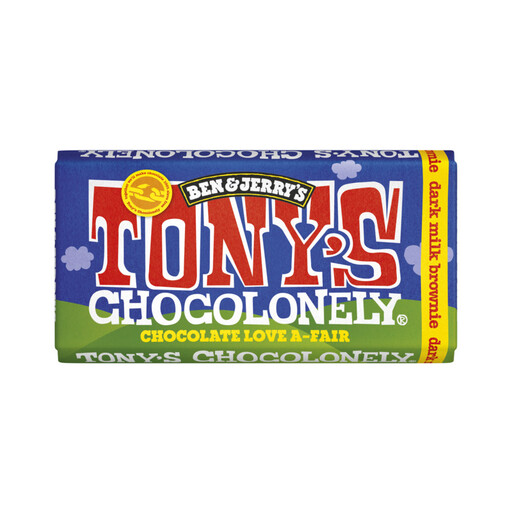
This 180g dark-milk chocolate bar is a sharing-format option for passengers who want the Fudge Brownie variant. Check the exact pack’s Fairtrade wording and allergen declaration; the product information identifies milk, soya and wheat and warns of possible other allergens.
 No image available
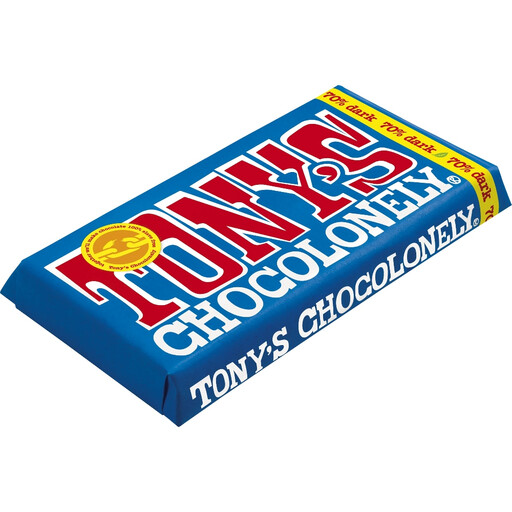
Consider this 180g bar if your group wants dark chocolate to share rather than separate small bars. Read the current pack to establish the precise Fairtrade claim and allergen warnings; the product information identifies soya and warns of possible other allergens.
 No image available
The 90g bar offers a different amount from the 180g sharing bars and is identified as 85% dark chocolate. If Fairtrade matters to you, check the current pack’s ingredient-specific claim; also check its warning about possible almonds, hazelnuts and milk.
Check the exact wrapper for a Fairtrade mark or an explicit product claim, then read what it covers. The Fairtrade Foundation says its classic black-background mark covers ingredients that can be Fairtrade-certified, while an ingredient-specific mark identifies the Fairtrade-sourced ingredient. Rainforest Alliance and brand cocoa programmes are different claims.
Choose by passenger count and how you plan to hand out the chocolate. The cited Divine 70% Dark bar is 35g but is listed in a 30-pack; Cadbury Dairy Milk 110g is listed in a box of 21, while the cited Tony’s Chocolonely Milk Chocolate 32% bar is 180g. Check both bar weight and pack count before ordering.
Yes—read the current physical pack before giving it to someone with an allergy. Ingredients and precautionary warnings differ between the cited bars, and Galaxy’s UK guidance directs shoppers to the back-of-pack information because products can change.
Keep it out of direct heat and follow the bar’s storage instructions. In very hot weather, UK government heatwave guidance advises keeping picnic food in a separate cool bag and leaving it closed until needed; a storage instruction is not a guarantee that chocolate will resist melting in a hot car.
Not in the school-food setting covered by England’s Requirements for School Food Regulations 2014: the regulations define chocolate as confectionery, and Schedule 3 says confectionery must not be provided. This England-specific rule should not be assumed to describe the rules in Scotland, Wales or Northern Ireland.