Parents packing an occasional school snack
Check the claim on the individual product, the school’s food policy and the current allergen statement. A small wrapper can make portioning straightforward, but it does not establish allergy suitability.


For a back-to-school chocolate bar, check the Fairtrade claim on the exact pack before choosing a size: a Fairtrade cocoa claim is not necessarily the same as the standard FAIRTRADE Mark, and other cocoa-sourcing schemes are different. Individually wrapped bars offer a ready-portioned format, while a larger bar makes more sense for sharing or portioning at home. In either case, check the current wrapper for allergens and the school’s food policy before packing it.
The useful format depends on whether the chocolate is going into a school bag or being shared at home.
Check the claim on the individual product, the school’s food policy and the current allergen statement. A small wrapper can make portioning straightforward, but it does not establish allergy suitability.
Look at the exact pack rather than treating Cocoa Life, Rainforest Alliance and Fairtrade as interchangeable claims. The Fairtrade Foundation distinguishes its standard mark from a Fairtrade Sourced Ingredient mark for a named ingredient such as cocoa.
A larger milk or dark bar may suit sharing or portioning at home. If a piece is packed separately, keep its ingredient and allergen information accessible so the portion does not become separated from the details needed to check it.
Start with the claim on the wrapper, then choose the format and flavour. Before a bar goes to school, check its current ingredients and the school’s rules.
| Priority | What to check | Your needs |
|---|---|---|
| Fairtrade claim | Check the exact wrapper for a standard FAIRTRADE Mark or a Fairtrade Sourced Ingredient claim naming cocoa. The Fairtrade Foundation says a mass-balance indication can mean certified and non-certified material was mixed during processing. | I want to know whether the claim covers ingredients that can be Fairtrade certified or specifically names cocoa. A general responsible-sourcing statement does not settle that choice. |
| Bar format | Compare an individually wrapped bar with a larger bar intended for sharing or portioning. Check the weight of the product you are buying rather than assuming a multipack contains separate snack-size bars. | For a packed snack, I would prefer a clearly sized, individually wrapped piece. If the chocolate is for home sharing, I can choose a larger bar and portion it there. |
| Ingredients and allergens | Read the current physical pack for ingredients, highlighted allergens and precautionary statements. Check the school’s food policy and any allergy plan relevant to the child. | I need the information for this particular bar, not an earlier wrapper or a general claim about the brand. Individual wrapping alone does not answer an allergy question. |
| Flavour and cocoa content | Check whether the bar is milk or dark chocolate and compare stated cocoa percentages only for the specific products under consideration. A percentage does not answer the Fairtrade or allergen questions. | A dark bar might suit home sharing, while someone choosing a school snack may put portion format first. I would still check the claim and wrapper whichever flavour I choose. |
Cadbury describes Cocoa Life sourcing for Dairy Milk; Galaxy describes Rainforest Alliance cocoa sourcing; and Nestlé says KitKat moved to Rainforest Alliance certification. Those statements do not, by themselves, establish a Fairtrade claim for a particular wrapper.
If Fairtrade is your requirement, check the exact product for its Fairtrade mark or stated Fairtrade ingredient. Note whether the claim concerns cocoa alone and whether it uses mass balance.
Wrapping changes the format, not the ingredients or precautionary allergen statement. M&S says its Mini Choc Marks are not suitable for nut, peanut or egg allergy; Divine lists milk for its 35g bar and says it may contain gluten and nuts.
Read the current wrapper and follow the school’s policy and the child’s allergy plan where applicable. Do not rely on the appearance of a previous pack.
A 180g bar can be divided at home, but a separately packed piece may no longer carry the ingredient and allergen information printed on the original wrapper.
If a ready-portioned bar is needed, choose a genuinely individually wrapped format. If you portion a larger bar, keep its product information with the portion.
These examples illustrate different claims and formats; a brand name alone cannot confirm the mark, ingredients or suitability of a particular bar.
Divine lists a case of 30 individually wrapped 35g milk-chocolate bars made with Fairtrade Ghanaian cocoa.
Tony’s describes a Fairtrade-certified range of 180g milk and dark bars, a format to consider for home sharing or portioning.
Co-op says it sources cocoa for its own-brand production on Fairtrade terms and lists an own-brand Fairtrade chocolate range.
M&S says Choc Marks use Fairtrade cocoa; its Mini Choc Marks come as individually wrapped, bite-sized bars in a 200g bag.
Cadbury describes Cocoa Life sourcing for Dairy Milk cocoa. That statement is distinct from identifying a Fairtrade Mark on a particular bar.
Galaxy describes Rainforest Alliance-certified cocoa sourcing under mass balance for its listed products.
Nestlé says KitKat moved to Rainforest Alliance certification in the UK and Ireland and describes it as a different scheme from Fairtrade.
These larger bars are options to consider for sharing or portioning at home, including milk and dark varieties. If one is intended for a school bag, confirm its current Fairtrade claim, wrapping, ingredients and allergens on the exact pack.
 No image available
Consider this 180g bar for sharing or portioning at home rather than assuming it is an individually wrapped school snack. Check the current wrapper for the precise Fairtrade claim, ingredients and allergens.
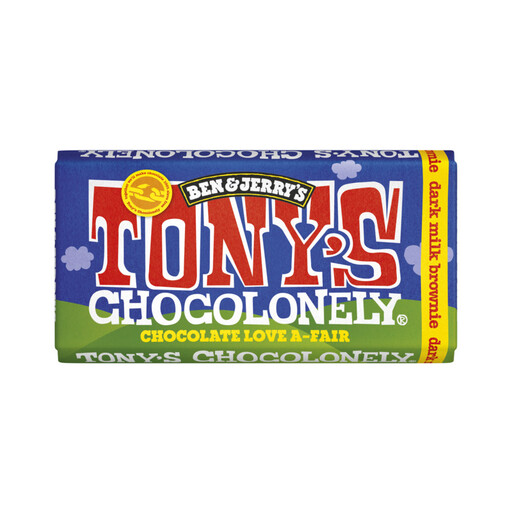 No image available
The 180g format is a choice to examine for home sharing or deliberate portioning. Before buying for a Fairtrade-specific requirement or packing a piece for school, check the exact wrapper’s claim, wrapping and allergen information.
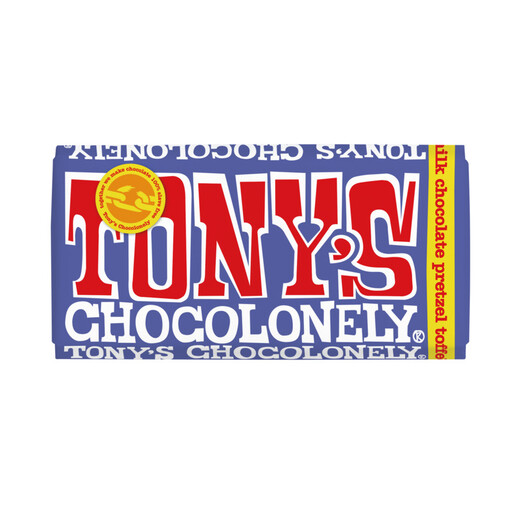 No image available
Choose this variant only if its pretzel and toffee flavour and 180g sharing format fit the occasion. Confirm the Fairtrade wording and current allergen statement on the pack, particularly before taking a portion to school.
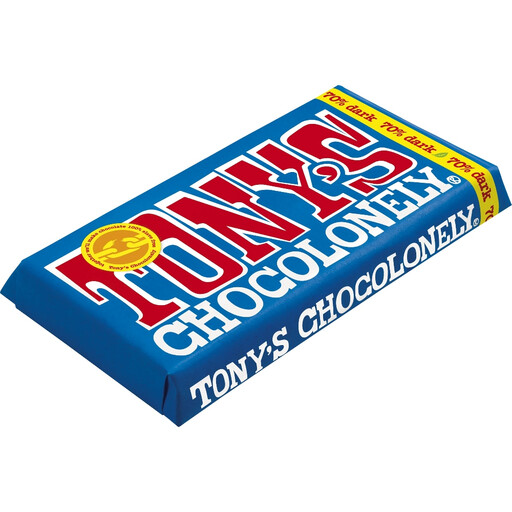 No image available
This dark-chocolate bar offers a 180g format for sharing or portioning at home. Check the exact pack’s cocoa percentage, Fairtrade and mass-balance wording, and allergen information before deciding whether it meets your requirements.
 No image available
For someone choosing a dark bar, the title identifies 85% cocoa and a 90g format. Check the physical pack for its Fairtrade and mass-balance wording, ingredients and allergens, and confirm the format before treating it as a school snack.
Check the exact wrapper for the FAIRTRADE Mark and read which ingredients its claim covers. The Fairtrade Foundation says the standard mark applies to ingredients that can be Fairtrade certified, while a Fairtrade Sourced Ingredient mark names a particular ingredient, such as cocoa. A mass-balance indication means the ingredient may have mixed with non-certified material during processing.
No: their stated sourcing arrangements do not establish a Fairtrade claim on a particular bar. Cadbury describes Cocoa Life for Dairy Milk cocoa; Galaxy describes Rainforest Alliance sourcing; and Nestlé says KitKat moved to Rainforest Alliance certification in the UK and Ireland. Check the exact wrapper if Fairtrade is a requirement.
Check the school’s food policy and the current physical wrapper’s ingredients, highlighted allergens and precautionary statements. If you portion a larger bar into another container, keep its product information with it rather than relying on an online picture or a previous pack.
No. Wrapping tells you about the format, not allergy suitability. M&S says its Mini Choc Marks are not suitable for nut, peanut or egg allergy, while Divine says its 35g milk-chocolate bar may contain nuts. Follow the current pack information and the child’s allergy plan.