Students stocking a new cupboard
A smaller bar may suit a snack kept for yourself; a larger one makes more sense if you expect to offer pieces to new flatmates. Decide which use you have in mind before choosing a flavour or format.


Start with the FAIRTRADE Mark and the wording on the individual bar: a broader cocoa-sourcing programme does not establish that the bar is Fairtrade-certified. For a student move-in, a 100g bar may suit a personal cupboard snack, while a Tony's Chocolonely 180g bar offers a larger format for sharing; check the current wrapper for ingredients and allergens before offering it to flatmates.
A smaller bar may suit a snack kept for yourself; a larger one makes more sense if you expect to offer pieces to new flatmates. Decide which use you have in mind before choosing a flavour or format.
Check the mark and its accompanying wording on the individual pack. A brand's general sustainability statement does not tell you which ingredients in a particular bar are covered.
Read the current ingredients, allergen declaration and any “may contain” warning before eating a bar or offering it to someone else. Flavours within the same range can have different ingredients.
Filter by the Fairtrade claim on the pack, then choose a size and chocolate style that fit how you plan to use the bar.
| Priority | What to check | Your needs |
|---|---|---|
| Fairtrade claim | Look for the FAIRTRADE Mark and read which ingredients the pack says it covers. The Fairtrade Foundation says its classic mark indicates that all ingredients eligible for Fairtrade certification are certified. | I want the claim to apply to this bar, rather than relying on a brand-wide cocoa programme or an unrelated logo. |
| Sourcing method | Read any mass-balance statement. Waitrose & Partners identifies its No.1 Dominican Republic milk chocolate as Fairtrade-certified on a mass-balance basis; that is not a claim that certified ingredients remain physically separate throughout processing. | If physical separation matters to me, I need wording on the individual pack that actually confirms it. |
| Bar size | Compare the stated weight with your plans: the Co-op Irresistible Fairtrade Dark Chocolate 85% bar is 100g, while Tony's Chocolonely UK describes its larger bars as 180g. | A 100g bar suits my own cupboard; I might choose a 180g bar if I expect to share it. |
| Chocolate style | Check whether the bar is milk or dark chocolate, its stated cocoa percentage and any added ingredients. Waitrose & Partners lists 49% cocoa solids for its No.1 Fairtrade Dominican Republic milk bar. | Once I have checked the Fairtrade claim, I can pick a style I actually want to eat or offer. |
| Sharing and allergens | Read the current wrapper for ingredients, declared allergens and “may contain” warnings. Do this for the exact flavour you intend to share, not another bar from the range. | Before putting chocolate out for flatmates, I need to know what is in that particular bar and let them check the wrapper too. |
Cocoa Life, Rainforest Alliance certification and Mars' responsibly sourced cocoa programme describe different sourcing arrangements; none establishes a Fairtrade claim for every individual bar carrying the associated brand name.
If Fairtrade certification is your requirement, check the mark and accompanying wording on the bar before choosing its flavour or size.
With mass balance, certified and non-certified ingredients may mix during processing. A Fairtrade mass-balance claim therefore does not, by itself, establish that the cocoa in one finished bar was kept separate.
Read the sourcing statement on the specific pack if physical traceability affects your choice.
A bar that looks suitable for a shared snack may contain ingredients a flatmate needs to avoid. For example, Joybuy's Tony's Chocolonely plain milk bar listing declares milk and soya and warns of possible cereals containing gluten, eggs, nuts and peanuts.
Keep the wrapper available so everyone can read the current declaration for the exact bar before eating it.
These brand references help distinguish Fairtrade-labelled routes from other cocoa programmes; they do not establish the certification of every bar a brand sells.
An own-label option with a listed Fairtrade Dark Chocolate 85% bar in a 100g format.
An own-label route that includes Fairtrade-labelled milk chocolate.
A larger-bar route with milk, dark and flavoured choices that could be broken up for sharing.
A Fairtrade chocolate brand to consider if its ownership model and dark-chocolate options matter to you.
A familiar chocolate brand whose Dairy Milk cocoa is described by Cocoa Life as sourced through its programme.
Recognisable bars associated with cocoa programmes that should be assessed separately from an individual Fairtrade claim.
These Tony's Chocolonely 180g flavours are larger-format options to consider for a move-in snack. Check each wrapper's Fairtrade wording and allergens before sharing, especially when comparing different flavours.
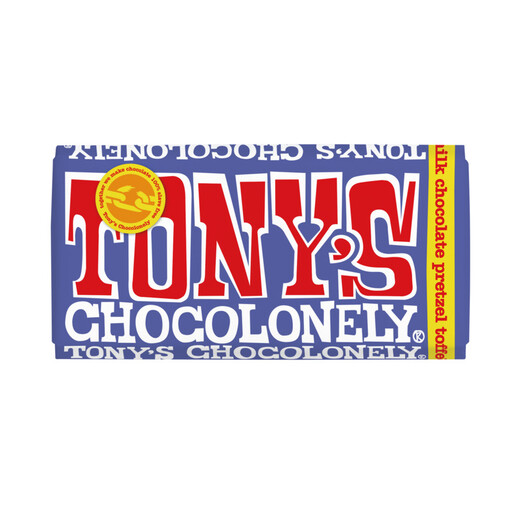 No image available
The 180g format could suit informal sharing. This flavour contains milk, soya and wheat and may contain eggs, nuts and peanuts; check the current wrapper with anyone you plan to share it with.
 No image available
This 180g milk-chocolate flavour is another larger-bar option. It contains milk and soya and may contain gluten-containing cereals, eggs, nuts and peanuts; read the current wrapper before sharing.
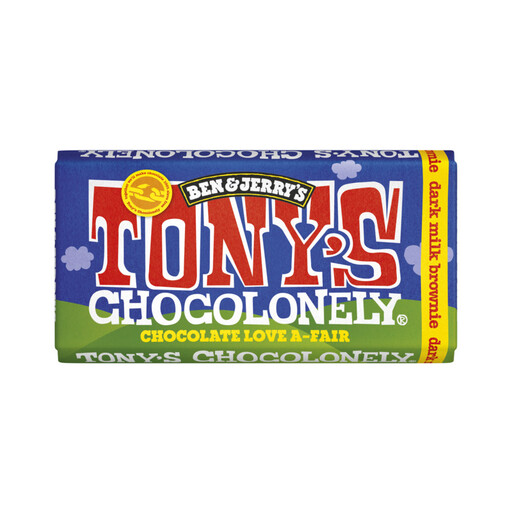 No image available
Choose this 180g variant if its dark-milk chocolate and fudge brownie flavour appeal to the people sharing it. It contains milk, soya and wheat and may contain eggs, nuts and peanuts; check the wrapper's Fairtrade and allergen wording.
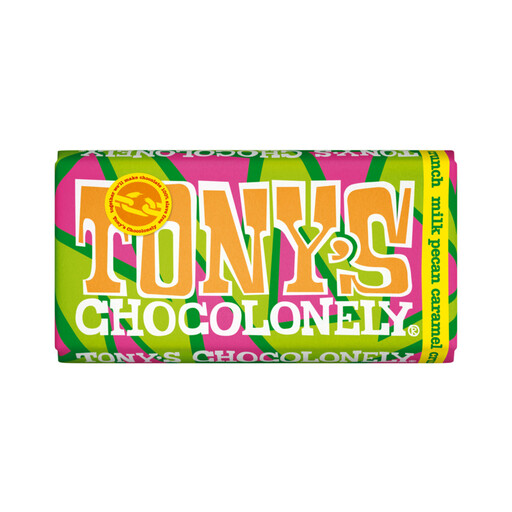 No image available
This 180g bar includes pecan in its named flavour. It contains barley, milk, pecan nuts, soya and wheat and may contain eggs, other nuts and peanuts; keep its current wrapper available when offering it to flatmates.
 No image available
This 180g variant combines several additions, including almond and pretzel. It contains almonds, eggs, milk, soya and wheat and may contain other nuts; check the current pack's Fairtrade statement and allergen declaration before sharing.
Look for the FAIRTRADE Mark on the individual pack and read the wording beside it. The Fairtrade Foundation says its classic mark covers all ingredients that can be Fairtrade-certified; if the pack names only a particular sourced ingredient, check whether that narrower claim meets your requirement.
Not necessarily. Where mass balance applies, certified and non-certified ingredients may mix during processing. Read the specific bar's sourcing statement if physical separation matters to you rather than assuming it from a Fairtrade claim alone.
Do not assume so from their brand names or cocoa-programme statements. Cocoa Life describes Cadbury Dairy Milk cocoa under its programme; Nestlé UK & Ireland announced Rainforest Alliance certified cocoa for KitKat from October 2020; and Mars describes a Europe-wide responsibly sourced cocoa programme covering the annual cocoa volume required for several of its brands. Check the current individual bar for a Fairtrade claim if that is your requirement.
Read the physical wrapper for the exact flavour, including its ingredients, declared allergens and any “may contain” warning, and let flatmates check it themselves. Warnings differ between bars: Joybuy's Tony's Chocolonely plain milk listing, for example, declares milk and soya and warns of possible cereals containing gluten, eggs, nuts and peanuts.