Fairtrade-first tea-table shoppers
If Fairtrade certification is a requirement, check the mark and its scope on the particular bar rather than relying on a claim about the brand.


For tea and biscuits, choose a chocolate bar by checking the Fairtrade claim on the individual pack, then pick a milk or dark style and a size that suit the people sharing it. A familiar brand name or responsible-sourcing message is not a substitute for checking the exact bar; read its current ingredients and allergen statements before serving.
If Fairtrade certification is a requirement, check the mark and its scope on the particular bar rather than relying on a claim about the brand.
A milk bar, a higher-cocoa dark bar and a larger sharing bar answer different preferences. Choose the style and size for the people you are serving.
Read the current pack before serving. Ingredients and precautionary allergen statements matter for the exact bar, not just its flavour or brand.
Start with the certification claim if Fairtrade is essential, then narrow the choice by chocolate style, pack size and the current ingredient label.
| Priority | What to check | Your needs |
|---|---|---|
| Fairtrade claim | Find the mark on the exact wrapper and read what it covers. The Fairtrade Foundation says the classic FAIRTRADE Mark covers ingredients that can be Fairtrade-certified; a sourced-ingredient claim needs a check of the ingredient it names. | I want the Fairtrade claim to apply to the bar I am buying, not merely to a brand or a separate sourcing programme. |
| Style and size | Compare cocoa percentage, milk or dark style, additions and net weight. Tesco lists Tony’s milk bar at 32% minimum cocoa and 180g; Co-op lists its Fairtrade dark bar at 85% and 100g. | For a group sharing pieces, I may want a larger bar. If guests prefer dark chocolate, I would choose that style rather than assume a milk bar suits everyone. |
| Ingredients and allergens | Read the physical pack’s ingredients, declared allergens and any ‘may contain’ statement. Retailer product details can change; the Food Standards Agency explains that precautionary allergen labelling signals possible unintended allergen presence. | Before I serve chocolate with biscuits, I need to know whether the particular bar fits my guests’ dietary requirements. |
Different marks and programmes make different claims. Galaxy, for example, describes a Rainforest Alliance seal on its Smooth Milk bars; that is not a Fairtrade claim.
Check the particular wrapper for a FAIRTRADE Mark or a product-level Fairtrade statement, and read which ingredients the claim covers.
Ingredients and dietary details can change, so an earlier listing cannot settle what is suitable to serve now.
Check the current physical pack for its certification wording, ingredients, allergens, precautionary statements and net weight.
A large milk-chocolate bar and a smaller 85% dark bar serve different tea-table preferences; neither format suits every group.
Ask whether guests prefer milk or dark chocolate, then choose a pack size that fits how it will be shared.
These brand examples illustrate different Fairtrade-labelled chocolate styles; check the claim and ingredients on whichever individual bar you choose.
Divine offers milk and dark chocolate options, including a 70% dark bar in a 90g format.
Tony’s describes its 180g big-bar range as Fairtrade-certified, with milk and dark options.
Co-op lists its Irresistible Fairtrade Dark Chocolate 85% as a 100g bar.
These Joybuy options cover dark and milk chocolate for a tea table, including 180g bars and a smaller 90g dark bar. If Fairtrade certification is essential, check each bar’s current wrapper for the exact mark and scope of its claim.
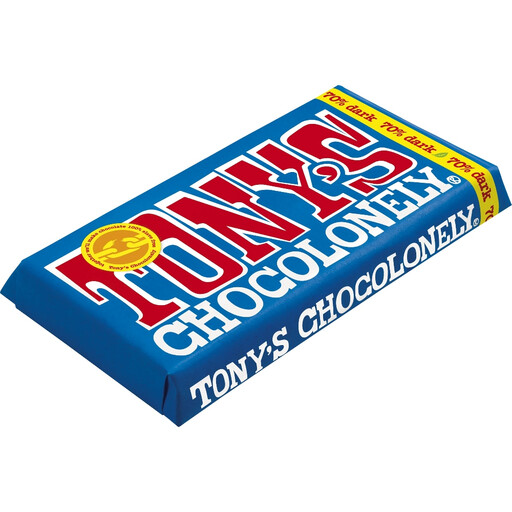 No image available
A dark-chocolate option in a 180g bar for people sharing tea. The listing describes Fairtrade-sourced ingredients; check the wrapper for the exact mark and its scope. It lists soya and precautionary statements for cereals containing gluten, eggs, milk, nuts and peanuts.
 No image available
A smaller dark-chocolate bar for a tea table where an 85% cocoa option is wanted. The listing describes Fairtrade ingredients on a mass-balance basis; check the wrapper for the exact claim. It also says the bar may contain almonds, hazelnuts and milk.
 No image available
A 180g milk-chocolate option with caramel and sea salt for sharing. Its listing identifies Fairtrade ingredients, but the wrapper should be checked for the mark and its scope. The listing names milk and soya, with precautionary statements for cereals containing gluten, eggs, nuts and peanuts.
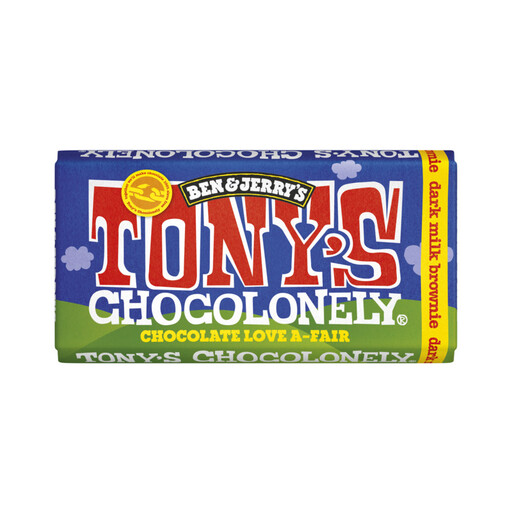 No image available
A 180g dark milk-chocolate bar with a brownie element for guests who want an added flavour. The listing makes a Fairtrade cocoa claim; check its precise wording on the pack. It lists milk, soya and wheat, and says it may contain eggs, nuts and peanuts.
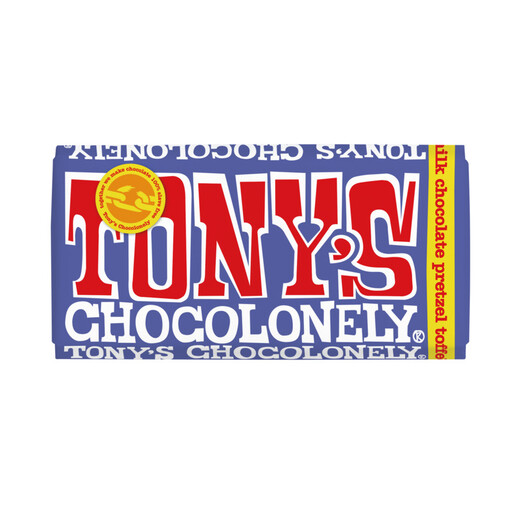 No image available
A 180g milk-chocolate bar with pretzel and toffee for sharing. Its listing gives conflicting descriptions of how much of the recipe is Fairtrade, so read the current wrapper before choosing it for that requirement. The listing names milk, soya and wheat, with precautionary statements for eggs, nuts and peanuts.
Check the exact wrapper for its FAIRTRADE Mark and read what the claim covers. The Fairtrade Foundation says the classic mark indicates that ingredients which can be Fairtrade-certified are Fairtrade-certified; if the claim names a sourced ingredient, check which ingredient it identifies.
No: check for a Fairtrade claim on the individual product rather than treating another sourcing programme as equivalent. Galaxy describes a Rainforest Alliance seal on its Smooth Milk products, which makes a different claim.
Check with your guests and read the current wrapper first. Tesco’s listing for this exact bar names milk and soya and says it may contain gluten, egg, peanuts and nuts; the physical pack is the relevant check before serving.