Shoppers seeking an explicit Fairtrade claim
If Fairtrade matters more to you than a general company sourcing commitment, check the claim on the exact bar or its current wrapper.


If Fairtrade is a firm requirement for your lunch treat, check the exact bar for a Fairtrade Mark or a product-level statement identifying Fairtrade ingredients. Divine lists Fairtrade ingredients for its 35g bars, and Tony’s Chocolonely identifies Fairtrade cocoa and sugar in its 50g milk bar; Cocoa Life, Rainforest Alliance and other cocoa-sourcing programmes are not interchangeable with a Fairtrade claim. Choose a size that suits how you will carry the bar, and check the current pack’s ingredients and allergen warnings.
If Fairtrade matters more to you than a general company sourcing commitment, check the claim on the exact bar or its current wrapper.
If you usually choose Cadbury, Galaxy, Mars, Snickers, Twix or KitKat, distinguish each product’s cocoa-sourcing claim from a Fairtrade Mark before deciding whether it meets your preference.
Bar weight, ingredients and may-contain warnings matter when you want a small treat that fits your dietary requirements.
Start with the sourcing claim on the exact product, then compare bar size and the current ingredients panel.
| Priority | What to check | Your needs |
|---|---|---|
| Fairtrade scope | Check whether the exact bar carries the classic Fairtrade Mark, the Fairtrade Sourced Ingredient Mark or a statement naming Fairtrade ingredients. The Fairtrade Foundation says the classic mark covers ingredients that can be Fairtrade-certified; the sourced-ingredient mark applies to the named ingredient. | I want to know whether this bar meets my Fairtrade preference, rather than relying on a company-wide cocoa claim. |
| Bar size | Compare the stated weight and whether the product is an individual bar or a larger format. Divine lists 35g milk and dark bars, while Tony’s Chocolonely lists a 50g small milk bar. | A defined small bar is easier to choose as a treat to carry with lunch; a larger bar would serve a different purpose for me. |
| Ingredients and allergens | Read the exact pack’s ingredients and may-contain warnings. Divine describes its 35g 70% dark bar as vegan but also warns that it may contain milk, gluten and nuts. | If particular ingredients or cross-contact warnings matter to me, a Fairtrade or vegan description cannot replace the pack check. |
| Place in lunch | Choose chocolate as an addition to lunch rather than assuming a bar replaces the meal. If comparing products, use the nutrition information on the exact packs, including the stated per-100g and per-serving bases. | I’m choosing a sweet treat to take alongside lunch, not choosing lunch on the strength of a sourcing label. |
Cocoa Life, Rainforest Alliance certification and company sourcing programmes do not, by themselves, establish that a particular bar meets a strict Fairtrade requirement.
For a Fairtrade-specific purchase, check the exact product for the Fairtrade Mark or a statement identifying Fairtrade ingredients.
Mars and Galaxy explain that cocoa covered by their respective sourcing claims can mix with other cocoa during processing. A volume-based sourcing claim does not guarantee physical separation in each bar.
Read the programme claim for what it covers, and check for an explicit Fairtrade claim if that is your requirement.
A 180g bar is a different format from the 35g Divine and 50g Tony’s Chocolonely small bars when you want a defined treat to carry with lunch.
Check the weight and packaging of the exact product rather than assuming every Fairtrade-claimed bar is individually portioned.
Neither claim tells you that a bar is free from ingredients or cross-contact warnings relevant to you.
Read the current pack’s ingredients and may-contain statement before buying.
These examples distinguish product-level Fairtrade statements from other cocoa programmes; a brand’s inclusion here does not mean every bar it makes carries the same claim.
Divine lists 35g milk and 70% dark bars with Fairtrade ingredient statements.
Tony’s Chocolonely lists a 50g small milk bar with Fairtrade-certified cocoa and Fairtrade cocoa and sugar.
Fairtrade International has identified Mars bars in the UK as carrying the Fairtrade Mark.
Mars includes Snickers and Twix in its European responsibly sourced cocoa programme.
Galaxy says its Smooth Milk products use volumes of cocoa sourced from Rainforest Alliance-certified farms under a mass-balance approach.
Mondelēz International describes Cadbury Dairy Milk cocoa as sourced through Cocoa Life.
Nestlé UK & Ireland says KitKat moved to Rainforest Alliance certification.
These Joybuy options have weights ranging from 90g to 180g. If you want a small bar to carry with lunch, compare their formats with the 35g and 50g examples above, and check the exact pack for the Fairtrade claim and ingredients you require.
 No image available
A 90g dark bar to consider if you prefer that format to a larger sharing bar. If Fairtrade scope or a milk warning matters to you, check the current wrapper: the listing’s dietary wording and milk information need careful comparison.
 No image available
The 90g raspberry variant is distinct from Divine’s 35g plain dark bar. Check this variant’s own Fairtrade claim and current ingredients; the listing’s vegan wording and milk information should not be used in place of the pack’s allergen statement.
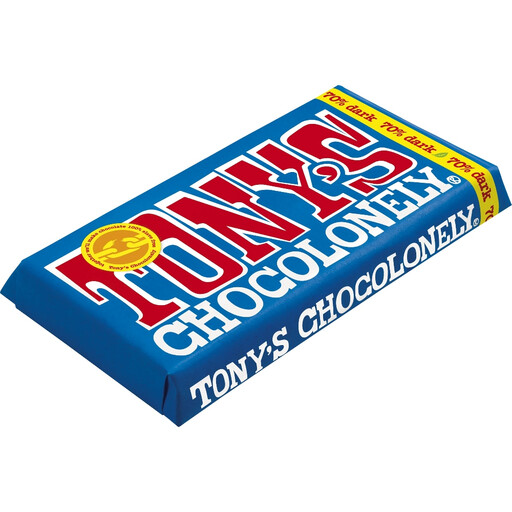 No image available
At 180g, this is a larger format than the 35g and 50g individual bars discussed above. Check the exact wrapper’s Fairtrade statement and allergen information if you plan to take some with lunch.
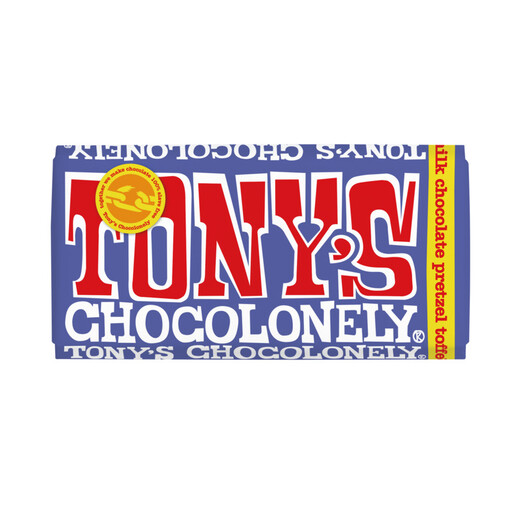 No image available
This 180g pretzel-and-toffee variant is a larger bar, not the brand’s 50g small milk bar. Check its own Fairtrade ingredient statement and current allergen panel, particularly if the added ingredients matter to you.
 No image available
The product name identifies a Fairtrade-claimed caramel-and-sea-salt variant in a 180g format. Check the current wrapper for the claim’s scope and for ingredients and allergens before choosing it as a lunch treat.
Check the current wrapper or the exact product page. The Fairtrade Foundation says the classic Fairtrade Mark covers ingredients that can be Fairtrade-certified, while the Fairtrade Sourced Ingredient Mark identifies the particular ingredient covered, such as cocoa.
No. They identify different sourcing programmes or certifications, not an interchangeable Fairtrade claim for the exact bar. If Fairtrade is your requirement, check that bar for a Fairtrade Mark or a product-level Fairtrade ingredient statement.
Not necessarily. Mars and Galaxy explain that cocoa covered by their respective sourcing claims may mix with other cocoa during processing. Read a mass-balance statement as a claim about sourcing volumes, not a guarantee that the cocoa in an individual bar was kept separate.
Choose it as a sweet addition to lunch rather than assuming the sourcing label makes it a meal. University College London Hospitals NHS Foundation Trust describes chocolate as a treat rather than a regular snack.
Read the ingredients and may-contain warnings on the exact current pack. For example, Divine’s 35g 70% dark bar is described as vegan but carries warnings for possible milk, gluten and nut content; a vegan or Fairtrade description is not an allergen clearance.