Bakers using melted or chopped chocolate
Start with the form of chocolate the biscuit recipe specifies. If Fairtrade sourcing matters to you, check which ingredients the mark and pack wording cover.


Choose dark cooking chocolate when the biscuit recipe calls for melted chocolate or chunks, and cocoa powder when it calls for a dry cocoa ingredient. Milk chocolate with caramel notes is a different option where the recipe allows it; if you need actual toffee pieces, check Fairtrade status on the exact toffee pack rather than assuming it from the recipe.
Start with the form of chocolate the biscuit recipe specifies. If Fairtrade sourcing matters to you, check which ingredients the mark and pack wording cover.
Look for cocoa powder rather than a chocolate bar when the recipe calls for a dry cocoa ingredient.
Chopped toffee serves a different purpose from chocolate or cocoa powder. Check the exact confectionery pack if Fairtrade status is also a requirement.
Match the ingredient to the recipe first, then check its Fairtrade wording and current allergen declaration.
| Priority | What to check | Your needs |
|---|---|---|
| Ingredient form | Check whether the recipe calls for cocoa powder, melted chocolate or chopped chocolate. Cocoa powder does not provide a bar’s meltable texture. | My dough calls for cocoa powder, so a chocolate bar would change the ingredient form. |
| Fairtrade wording | Check the mark, the ingredients it covers and any mass-balance explanation. Fairtrade International permits mass balance for cocoa and sugar, so the claim does not necessarily mean physical separation throughout production. | I want to know whether the cocoa, sugar or other named ingredients carry the Fairtrade claim, and what its traceability wording means. |
| Chocolate type | Compare the recipe’s stated chocolate type with the pack. Tesco lists Green & Black’s cooking chocolate at 70% cocoa; Waitrose describes its 72% dark chocolate for melting. Marks & Spencer describes its 46% milk chocolate as having caramelised-butter notes. | For dark chocolate chunks, I would choose a dark product; for a recipe that allows milk chocolate, I may want its different flavour and composition. |
| Toffee pieces | Check whether the recipe requires pieces of toffee rather than a caramel-like chocolate flavour. A baking use does not establish a Fairtrade claim. | I want pieces of toffee in the biscuits, so I need to check Fairtrade status on the toffee pack separately. |
| Allergens | Read the current ingredients and precautionary statements on the exact pack, including any references to milk, soya, nuts or peanuts. | When I’m baking for someone with an allergy, the product type or cocoa percentage cannot replace a check of the current pack. |
Fairtrade International permits mass balance for cocoa: certified and non-certified supplies can be mixed while equivalent Fairtrade volumes are accounted for.
Read the mark and traceability explanation on the pack if physical separation matters to your choice.
Cocoa powder and chocolate have different compositions and roles in a biscuit recipe. Milk and dark chocolate also differ in their ingredients and flavour.
Follow the recipe’s specified ingredient form before choosing a Fairtrade-sourced product within that form.
Ingredient and precautionary statements differ between products, and formulations can change.
Check the physical pack before baking, particularly when sharing biscuits with someone who has a food allergy.
Werther’s Original uses chopped Creamy Toffees in its cookie recipe, but the recipe establishes their baking use, not the toffees’ Fairtrade status.
If certification is essential, check the claim on the exact toffee pack.
Tesco lists Green & Black’s Organic Cooking Chocolate as a 70% cocoa product intended for cooking.
Waitrose describes its Belgian Dark Chocolate as 72% cocoa and suitable for melting.
Sainsbury’s lists Food Thoughts Organic Cocoa Powder as a baking ingredient and reports that its cocoa comes from Fairtrade partners.
Marks & Spencer describes its Dominican Republic 46% Milk Chocolate as using cocoa sourced from Fairtrade growers.
Werther’s Original publishes a cookie recipe using chopped Creamy Toffees.
These options cover cocoa powder for recipes calling for it and milk chocolate with caramel pieces for recipes that allow that ingredient. Check the recipe and each product’s current pack before choosing.
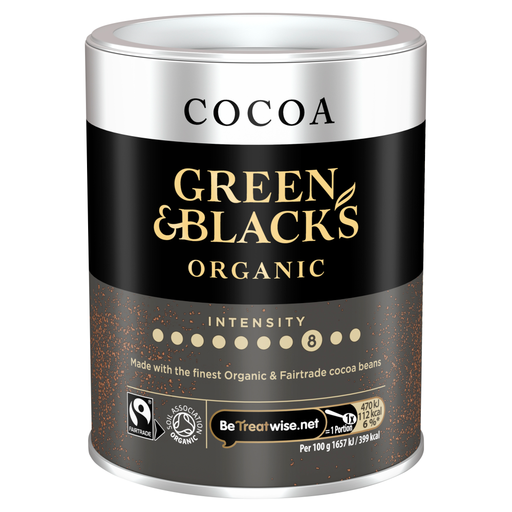 No image available
A cocoa-powder option for a biscuit recipe that calls for cocoa rather than meltable chocolate. Check the current pack for its Fairtrade wording, cocoa composition and allergen declaration; the product information includes a milk precaution.
 No image available
A milk-chocolate bar with caramel pieces to consider only where the biscuit recipe allows those ingredients. Check the recipe before using it for melting or baking, and read the current pack for Fairtrade wording and allergens; the product information identifies milk and soya and lists further precautionary warnings.
No. Fairtrade International permits mass balance for cocoa, under which certified and non-certified supplies can be mixed while equivalent Fairtrade volumes are accounted for. Check the mark and traceability wording on the exact product if physical separation matters to you.
Use the form specified by the recipe. Cocoa powder suits a dough that calls for a dry cocoa ingredient; a cooking-chocolate bar suits instructions calling for melted or chopped chocolate. Tesco describes Green & Black’s 70% product as cooking chocolate, while Waitrose describes its 72% product for melting.
Use toffee sweets when the recipe calls for toffee pieces, not as an automatic substitute for chocolate. Werther’s Original uses chopped Creamy Toffees in a cookie recipe; check the exact sweet’s pack separately if Fairtrade status is required.
Read the ingredients and precautionary statements on the current pack of each chocolate, cocoa or toffee product. The products discussed here carry different milk, soya, nut or peanut information, so a Fairtrade claim or dark-chocolate label is not an allergen check.
No. Choose the chocolate type and ingredient form the recipe calls for, rather than cocoa percentage alone. Tesco’s 70% cooking chocolate and Waitrose’s 72% dark chocolate address dark-chocolate uses; Marks & Spencer’s 46% milk chocolate is a different choice for a recipe that allows milk chocolate.