Fairtrade-first chocolate biscuit shoppers
You want to know whether the claim covers every certifiable ingredient or one named ingredient, such as cocoa, before choosing a biscuit.


Choose a chocolate biscuit for its Fairtrade credentials only after checking the mark on the current pack. The Fairtrade Foundation says the classic FAIRTRADE Mark covers all ingredients that can be Fairtrade-certified, while the Fairtrade Sourced Ingredient Mark identifies a named ingredient. For a mid-morning treat, check the serving size, sugars and allergens separately; a Fairtrade claim does not answer those questions.
You want to know whether the claim covers every certifiable ingredient or one named ingredient, such as cocoa, before choosing a biscuit.
You want a sweet snack and plan to compare the declared serving and sugars alongside any Fairtrade claim.
You need to assess the exact product and how it will be provided. A general statement about chocolate biscuits and HFSS does not settle whether a product meets the requirements for a state-funded school in England.
Start with the Fairtrade mark if certification is essential, then assess the portion, ingredients and intended setting on their own terms.
| Priority | What to check | Your needs |
|---|---|---|
| Fairtrade scope | Read the mark and its accompanying wording on the current pack. The Fairtrade Foundation says the classic FAIRTRADE Mark covers all certifiable ingredients; the Fairtrade Sourced Ingredient Mark names the Fairtrade-sourced ingredient. | I want to know whether the claim covers the biscuit’s certifiable ingredients or specifically an ingredient such as cocoa. |
| Serving and sugars | Compare the stated serving size with the nutrition figures per serving and per 100g. The NHS identifies biscuits and chocolate as foods containing free sugars. | For a mid-morning treat, I want to judge the amount I would eat rather than assume a Fairtrade mark says anything about its sugar content. |
| Ingredients and allergens | Read the current ingredient list, emphasised allergens and any may-contain statement. Check the exact product rather than relying on another flavour or format. | Milk, wheat, soya or precautionary allergen wording may affect which product I can choose. |
| School-food setting | Identify the product, the school and how the food will be provided. Department for Education school-food guidance concerns state-funded schools in England; the Food (Promotion and Placement) (England) Regulations address promotion and placement in relation to England. | If I am buying for a school, I need a product- and setting-specific check, not a blanket conclusion about chocolate biscuits across the UK. |
The Fairtrade Foundation distinguishes the classic FAIRTRADE Mark from the Fairtrade Sourced Ingredient Mark, which identifies a particular Fairtrade-sourced ingredient.
Read the wording beside the mark. If Fairtrade cocoa is your requirement, check that cocoa is the named ingredient.
Fairtrade sourcing does not describe the biscuit’s sugar content or serving size. The NHS identifies biscuits and chocolate as foods containing free sugars.
Compare the nutrition panel with the amount you intend to eat. As a separate example, Sainsbury’s lists 14g sugars per 30g serving for Tony’s Chocolonely Milk Chocolate Chip Cookie, a chocolate bar with biscuit pieces rather than a conventional chocolate biscuit.
Tesco Groceries lists McVitie’s and Fox’s chocolate-biscuit formats, but a brand name or category listing does not establish the Fairtrade status of a particular pack.
If certification is essential, check the mark and its wording on the product you intend to buy.
Department for Education school-food guidance covers food and drink provided in state-funded schools in England. The Food (Promotion and Placement) (England) Regulations concern promotion and placement in relation to England, not a blanket school-meal ruling for every chocolate biscuit across the UK.
For school procurement, check the exact product’s details against the requirements for that school and how the food will be provided.
These examples illustrate different product formats and claims; brand recognition alone does not establish a Fairtrade claim for an individual biscuit.
Sainsbury’s describes Tony’s Chocolonely Milk Chocolate Chip Cookie 180g as Fairtrade milk chocolate containing biscuit and dark-chocolate pieces. It is a chocolate bar, not a conventional chocolate biscuit.
Tesco Groceries lists McVitie’s chocolate Digestives and Club products among its chocolate-biscuit formats.
Tesco Groceries lists Fox’s Chocolate Viennese and Chocolatey Rounds in its chocolate-biscuit category.
This wafer is an option for a mid-morning snack. If Fairtrade certification is essential, check its current pack for the mark and ingredient scope you require before choosing it.
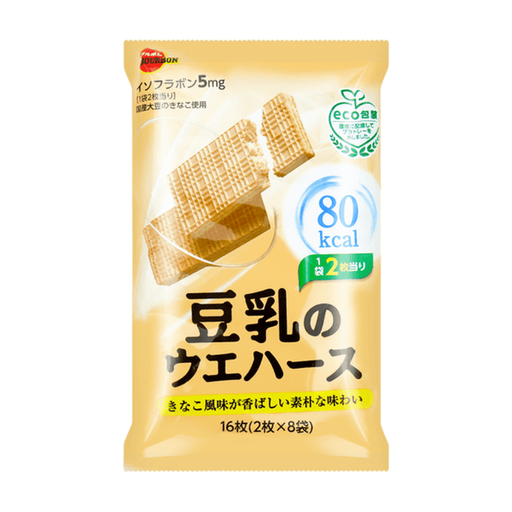 Image unavailable
A 112.8g pack of wafers to consider for a mid-morning snack. Check the current pack’s Fairtrade mark, serving information, sugar declaration and allergen statement against your requirements.
According to the Fairtrade Foundation, the classic FAIRTRADE Mark means all ingredients that can be Fairtrade-certified are certified. The Fairtrade Sourced Ingredient Mark applies to the named Fairtrade-sourced ingredient, so read the wording beside it to see what the claim covers.
No. The mark concerns sourcing, not serving size or nutrition. Check the pack’s sugars per serving and per 100g against the amount you intend to eat; the NHS identifies biscuits and chocolate as foods containing free sugars.
Read the current pack’s ingredient list, emphasised allergens and any may-contain statement for the exact product. For example, Sainsbury’s lists milk, wheat and soya for Tony’s Chocolonely Milk Chocolate Chip Cookie, with a may-contain warning for egg, nuts and peanut; that bar’s information cannot be applied to another biscuit.
A blanket UK conclusion does not follow from the rules cited here. Department for Education school-food guidance concerns food and drink provided in state-funded schools in England, while the Food (Promotion and Placement) (England) Regulations apply to promotion and placement in relation to England. Check the exact product and the requirements for the school and food-provision setting before buying.