If Fairtrade matters to the school sale, check the certification mark and its explanation on the exact biscuit pack rather than treating every cocoa-sourcing claim as certification for the whole biscuit. Then choose a portion format that works at the stall, and check the school’s rules, the purchased pack’s allergen information and how the biscuits will be served.
Who is buying for the sale?
Organisers making a Fairtrade claim
If the stall will describe its biscuits as Fairtrade, you need to know what the mark on each pack covers. Fairtrade International distinguishes certification for a multi-ingredient product from a claim about a named ingredient such as cocoa.
Parents supplying ready-portioned biscuits
A multipack can give helpers defined servings without dividing a larger pack at the stall. Keep the outer packaging available so the manufacturer’s ingredient information can still be checked.
Organisers planning for allergies
Check the school’s policy and the purchased packs before deciding what to offer. The biscuit listings considered here include wheat, milk and other allergy warnings; a product’s format alone cannot establish its suitability for a particular child.
What should you check before buying?
Settle what the stall intends to say about Fairtrade first; then choose portions and serving arrangements that let helpers retain the information buyers need.
| Priority | What to check | Your needs |
|---|
| Fairtrade claim |
Read the mark and its explanation on the exact pack. Fairtrade International says its mark for multi-ingredient products such as biscuits covers ingredients available under Fairtrade conditions; a supplier’s cocoa-sourcing statement alone does not identify the mark on a particular pack. |
I need to describe what the biscuits’ Fairtrade claim actually covers, rather than put a broader claim on the stall sign. |
| Allergen information |
Check the purchased batch’s ingredients and precautionary statements, alongside the school’s rules. Keep the original packaging accessible and plan how helpers will handle and serve the biscuits. |
If someone asks about wheat, milk or another allergen, I want helpers to be able to consult the pack instead of guessing from the biscuit’s appearance. |
| Portions |
Compare the number and size of servings in a multipack with the work of serving from a sharing pack. For wrapped items, check whether the individual wrapper retains the information needed at the stall. |
Will we hand out defined portions, or will helpers divide biscuits while keeping the ingredients information available? |
| Case contents |
Confirm the seller’s case count and individual pack size before planning quantities for the sale, particularly when ordering a bulk case. |
I need to know how many packs will arrive, not just the weight printed beside a bulk listing. |
What can go wrong at the stall?
-
Treating every cocoa-sourcing label as a Fairtrade biscuit claim
Different schemes and claims do not say the same thing. For example, Sainsbury’s lists Rainforest Alliance Certified cocoa on its milk chocolate digestives; that is not a Fairtrade certification claim.
Read the mark and wording on the exact pack before writing a Fairtrade description for the stall.
-
Discarding the pack before checking allergens
Helpers can lose access to ingredient and precautionary information when factory-packed biscuits are set out without their packaging. Anaphylaxis UK’s bake-sale guidance recommends preparing helpers to answer questions about ingredients and preparation.
Keep the original packs accessible, follow the school’s rules and plan serving arrangements that avoid mixing items or utensils.
-
Planning portions from an unclear bulk listing
A case description can give conflicting pack-count information, making it difficult to plan the number of servings. A Premcrest listing for Wish4 double-chocolate biscuits contains differing case-count figures.
Confirm the case contents and availability with the seller before relying on a bulk order for a fixed sale date.
Which brands and product lines are relevant?
These examples illustrate different certification claims and serving formats; a brand’s presence here does not establish what is printed on every product it makes.
Wish4 Fairtrade
Its listed chocolate cookies include 60 g packs sold in cases of 14, while its double-chocolate biscuits use a larger-pack format.
- The portioned cookie cases give organisers a stated pack size and case count to plan around.
- Check the delivered pack’s certification wording, ingredients and case contents before making a stall claim.
Co-op
Co-op says the cocoa in its own-brand products, including the chocolate chips in its Irresistible cookies, is sourced on Fairtrade terms.
- Its cocoa statement gives shoppers a specific sourcing claim to investigate.
- Check the particular cookie pack for its certification mark, wording and allergens before describing that product at the sale.
McVitie's
Penguin and Club are biscuit-bar lines with listed multipack formats, distinct from sharing packs of chocolate digestives.
- Listings for Penguin and Club state pack counts that can help with portion planning.
- Their checked listings include wheat and milk ingredients. A palm-sourcing claim on Club does not establish a Fairtrade cocoa claim.
Fox's
The listed Rocky Original multipack contains seven individually wrapped biscuit bars.
- Individual wrappers provide defined portions for a stall.
- The retailer’s listing includes wheat and milk and warns that the bars may contain nuts and peanuts; check the purchased pack.
Tesco
Its listed milk chocolate digestives come in a 300 g sharing pack.
- A sharing pack is an option when helpers will serve the biscuits.
- The listed ingredients include wheat and milk. Tesco advises checking the physical label because product information can change.
Sainsbury's
Its listed 300 g milk chocolate digestives are another sharing-pack format.
- The product listing identifies its cocoa claim as Rainforest Alliance Certified, allowing organisers to describe that claim accurately.
- That claim is not Fairtrade certification. The listing flags cereals containing gluten and says the product is not suitable for people with an oat allergy because of manufacturing methods.
Chocolate-biscuit formats on Joybuy
These Joybuy multipacks offer portion formats to consider for a school stall. If the sale requires a Fairtrade-labelled biscuit, check the certification wording on the exact pack before choosing one for that purpose.
 No image available
Tunnocks Milk Chocolate Caramel Wafer 8 Pack
The eight-pack gives organisers a stated number of wafer bars for portion planning. The product information identifies milk, soya and wheat as allergens; keep the purchased pack available for checking at the stall.
View on Joybuy
 No image available
McVitie's Gold Bars, 7 bars, 128.4 g
This seven-bar multipack gives helpers a defined number of servings to plan for. Its product information identifies barley, milk, soya and wheat as allergens; check the actual pack against the school’s requirements.
View on Joybuy
 No image available
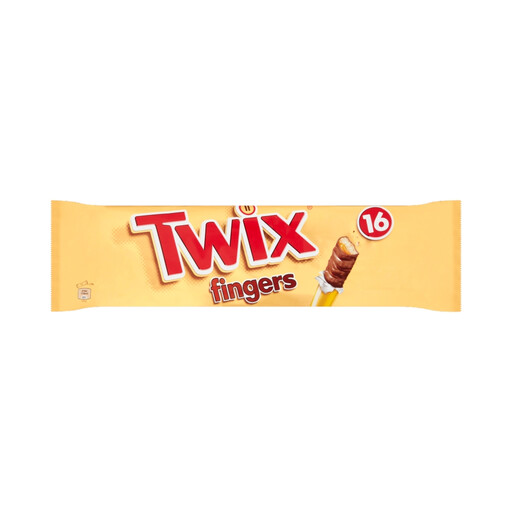
Twix Biscuits Chocolate and Caramel Multipack, 16 × 20 g
The 16-pack provides a stated 20 g per biscuit for planning stall portions. The product information identifies milk, wheat, soya and barley as allergens; retain the original packaging for ingredient checks.
View on Joybuy
Common questions
Does a Fairtrade cocoa claim mean the whole biscuit is Fairtrade-certified?
No: a cocoa-sourcing claim alone does not establish the certification scope of a particular biscuit. Fairtrade International distinguishes marks for multi-ingredient products from claims about a named sourced ingredient, so read the mark and explanation on the exact pack before describing it at the stall.
How should biscuits be stored before the sale?
Follow the purchased pack’s storage directions and keep its label available. Food Standards Scotland advises community-event organisers to plan safe storage and not use food past its use-by date.
Does a one-off school bake sale automatically need food-business registration?
Not automatically. Food Standards Scotland says occasional food handling is unlikely to require registration and advises checking with the local authority food safety team; organisers elsewhere in the UK should check the guidance and local authority advice applicable to their event. Registration is a separate question from keeping food safe to eat.
Do proposed changes to England’s school food standards already apply to the sale?
No. In guidance updated on 14 September 2026, the Department for Education described the proposed September 2027 changes as subject to parliamentary approval. For this sale, check the school’s event policy and make sure the food is handled safely rather than treating a proposed change as a current requirement.


