Shoppers prioritising Fairtrade cocoa
If chocolate biscuits are part of your first food shop, check which ingredient the Fairtrade wording covers. The Fairtrade Foundation distinguishes its Sourced Ingredient mark from its classic Fairtrade mark.


If Fairtrade cocoa matters, choose a biscuit whose exact pack makes a Fairtrade claim naming cocoa; a familiar brand or a different cocoa-sourcing scheme does not establish the same claim. For a move-in shop, weigh the pack size against how quickly you will use it, follow its storage instructions and check the current allergen information before sharing.
If chocolate biscuits are part of your first food shop, check which ingredient the Fairtrade wording covers. The Fairtrade Foundation distinguishes its Sourced Ingredient mark from its classic Fairtrade mark.
Consider how many biscuits your household will use and where an opened packet will go. Waitrose, for example, recommends an airtight container for its Essential Bourbon Creams after opening.
Read the ingredients and precautionary warnings on the specific pack before serving it. A cocoa-sourcing claim does not tell you whether a biscuit suits someone with an allergy.
Start with the cocoa claim if Fairtrade is a requirement, then choose a format your household can store and use.
| Priority | What to check | Your needs |
|---|---|---|
| Fairtrade cocoa | Read the mark and the ingredient it names. The Fairtrade Foundation says its Sourced Ingredient mark identifies a covered ingredient; mass balance does not guarantee physically segregated Fairtrade cocoa in each biscuit. | If Fairtrade cocoa is my reason for choosing the biscuits, I want that claim on the exact product, not just a general cocoa-sourcing statement. |
| Pack format | Check the net weight or biscuit count and whether you are buying one packet, a small bakery pack or a case. Waitrose lists Essential Bourbon Creams as a 400 g packet and its Belgian Milk Chocolate Cookies as a pack of four. | For a first cupboard shop, I want a quantity we are likely to use; for one occasion, a four-cookie pack may fit better than a larger packet. |
| Storage | Read the instructions for the exact product, particularly what to do after opening. Waitrose recommends an airtight container and consumption within seven days for the best quality of its Essential Bourbon Creams. | Will I have somewhere to keep an opened packet, and will we use it within the time advised on the pack? |
| Sharing and allergens | Check the current ingredients, emphasised allergens and any precautionary warnings. Waitrose lists a precautionary allergen warning for its Belgian Milk Chocolate Cookies; the warning for another recipe may differ. | Before I offer biscuits to housemates, I need the allergy information for the packet we will actually eat. |
The examined Sainsbury’s milk-chocolate digestives identify Rainforest Alliance Certified cocoa, while the examined Waitrose biscuits state Fairtrade-sourced cocoa. Those are different claims.
Read the wording on the exact pack and check which ingredient it covers if Fairtrade cocoa is your priority.
Wish4 Fairtrade lists its double-chocolate biscuits as twelve 220 g packs. That is considerably more to store than a single packet.
Check the selling unit and whether you have space for it before choosing a case for a first food shop.
A case also commits you to storing and using multiple packs.
A Fairtrade mark concerns sourcing, not the biscuit’s ingredients or precautionary allergen warnings. Recipes differ even when products make similar cocoa claims.
If someone has an allergy, read the current packet’s ingredients and precautionary information before sharing.
These examples show why the claim and recipe need checking product by product; a brand name alone does not establish Fairtrade status.
Waitrose describes its Essential Bourbon Creams and selected Belgian chocolate cookies as using Fairtrade-sourced cocoa.
McVitie’s describes milk-chocolate digestives, Penguin sandwich bars and orange-flavoured Club bars as distinct biscuit formats.
Tesco’s own-label milk-chocolate digestives are a conventional packet-biscuit example.
Sainsbury’s own-label milk-chocolate digestives provide another packet-biscuit example.
Fox’s half-coated milk-chocolate cookie is an option to consider if you prefer a chunky cookie to a digestive or sandwich biscuit.
Wish4 Fairtrade describes its double-chocolate biscuits as made with Fairtrade-certified cocoa and lists them as a case of twelve 220 g packs.
These digestives, biscuit bars and wafers offer packet and multipack formats for a student cupboard or shared snacks. If Fairtrade cocoa is essential, check the exact pack for an explicit claim before choosing among them.
 No image available
The twin-pack format is worth considering if your household expects to use more than one packet of dark-chocolate digestives. Check the current pack’s cocoa claim and ingredients; the product information identifies wheat, milk and soya.
 No image available
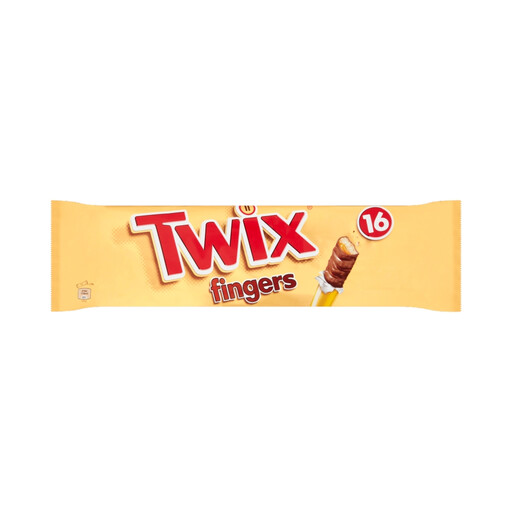
Sixteen individually wrapped biscuit bars offer separate portions for snacks or sharing. If Fairtrade cocoa matters, check the exact pack for a claim; also read its allergy information, including the precautionary nuts warning.
 No image available
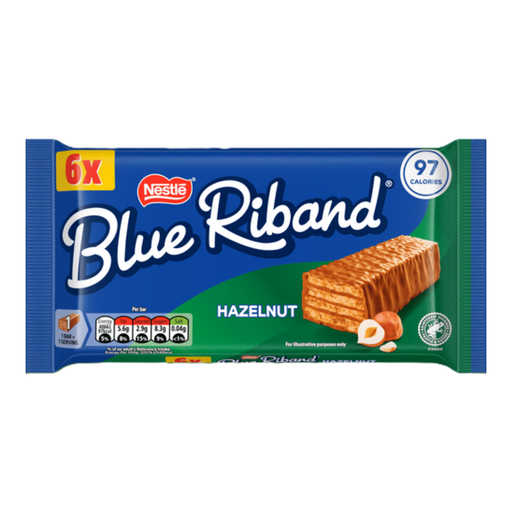
This six-pack provides individually wrapped hazelnut wafer bars. Its stated cocoa-sourcing scheme should not be mistaken for a Fairtrade claim; check the pack for allergens, including hazelnuts, before sharing.
 No image available
The 12-pack offers individually wrapped wafer bars for separate snacks. A cocoa programme name is not itself a Fairtrade claim; check the current pack’s sourcing wording and its allergy advice before offering the bars to others.
 No image available
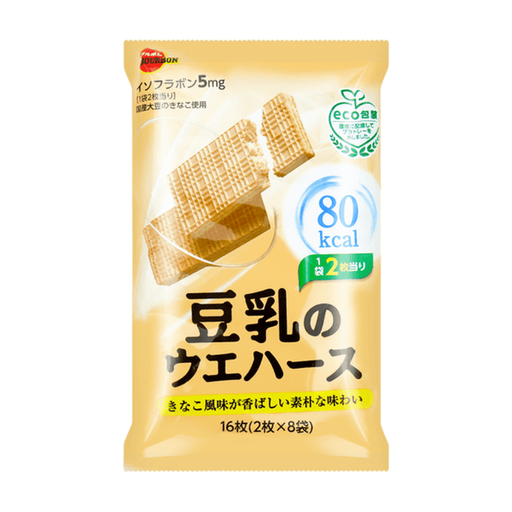
This 112.8g packet is a smaller cupboard option than the listed multipacks. The product information advises eating the wafers promptly after opening for the best freshness; check the current pack for a Fairtrade claim and for its wheat, soya, milk and precautionary egg information.
No. The Fairtrade Foundation says its Sourced Ingredient mark identifies the ingredient covered, while its classic mark concerns ingredients that can be Fairtrade-certified. Read the wording on the biscuit you are buying.
No. The Fairtrade Foundation explains that certified and non-certified commodities may mix under mass balance, while a corresponding Fairtrade quantity is purchased. The claim concerns sourcing rather than physical separation in an individual biscuit.
Follow the instructions on that packet. Waitrose recommends keeping its Essential Bourbon Creams in an airtight container after opening and consuming them within seven days for the best quality; other biscuits may have different directions.
Read the ingredients, highlighted allergens and any precautionary warnings on the current packet. UK government food-labelling guidance includes ingredient and allergen information among the required information for prepacked food; a Fairtrade claim is not an allergy statement.
Check the delivered packet before serving it, particularly where an allergy matters. Compare it with what you ordered and contact the retailer or manufacturer about a product-specific discrepancy; ingredients and warnings can change.