Hosts giving each hunter a sealed treat
Look for individually wrapped bars in a suitable size. A sharing bar needs portioning and will not leave each hunter with an intact wrapper.


For a Fairtrade-focused Easter egg hunt, check the certification mark on the exact chocolate pack rather than relying on a familiar brand name or a general cocoa-sourcing claim. Choose sealed mini bars if each hunter needs their own treat; a larger bar works when you can divide it before the hunt or share it afterwards. Check every flavour’s ingredients and allergen wording against the needs of the group.
The right format depends on whether treats will be handed out individually or divided, and on who can eat them.
Look for individually wrapped bars in a suitable size. A sharing bar needs portioning and will not leave each hunter with an intact wrapper.
Check the ingredients and precautionary allergen wording on each chosen flavour’s wrapper. Do not assume that a Fairtrade claim or a familiar brand tells you whether the bar suits a particular child.
If Fairtrade certification is the deciding requirement, check the mark on the specific pack. A brand’s responsible-cocoa programme or another certification is a different claim.
Decide how treats will be distributed, then check certification and each recipient’s food requirements on the packs you intend to buy.
| Priority | What to check | Your needs |
|---|---|---|
| Fairtrade claim | Look at the exact pack’s Fairtrade mark and which ingredients its claim covers. The Fairtrade Foundation says its classic black-background FAIRTRADE Mark covers ingredients that can be Fairtrade-certified. | I want the chocolate I hand out to meet my Fairtrade preference, rather than relying on a general cocoa-sourcing statement. |
| Portion format | Count the hunters and check whether each bar is individually wrapped. Seed & Bean lists 25 g mini bars; the cited Divine and Tony’s Chocolonely examples are 90 g and 180 g bars that would need dividing for individual portions. | Will everyone receive a sealed bar during the hunt, or can I prepare portions or arrange sharing afterwards? |
| Ingredients and allergens | Read the current wrapper for declared allergens and any precautionary, such as ‘may contain’, wording. Check each flavour separately. | I need a treat plan that accounts for the particular children taking part, including an alternative where a chosen bar is unsuitable. |
| Quantity | Compare the number of sealed bars or portions you plan to provide with the number of recipients. Keep the pack’s certification claim as a separate check when comparing formats. | If I choose a sharing bar, I need to portion it before the hunt rather than count one large bar as several ready-to-hide treats. |
Mars describes a responsible-cocoa programme for named bars made at its direct European factories, while KitKat describes Rainforest Alliance-certified cocoa mass in UK and Ireland bars. Neither statement establishes Fairtrade certification for the pack in your hand.
If Fairtrade is required, inspect the exact pack for an applicable Fairtrade mark and read what the mark covers.
A 90 g or 180 g bar needs dividing before it can provide separate portions; a 25 g mini bar is already a single bar.
Count participants before choosing a format. Use individually wrapped bars for sealed treats, or prepare portions ahead of time if you choose a larger bar.
Chocolate bars can have declared allergens and precautionary statements that differ between products. The UK Food Standards Agency explains that precautionary allergen labelling communicates possible unintended allergen presence.
Ask about allergies before planning the treats, check the current wrapper of every flavour and arrange an appropriate alternative where needed.
These brand references illustrate different bar formats and cocoa claims; certification and allergen decisions still depend on the individual pack.
Divine’s 45% Milk Chocolate 90 g bar is an example to consider if you plan to divide milk chocolate into portions.
Seed & Bean lists 25 g mini bars for hosts considering individual treats.
A 180 g milk-chocolate bar listed by Tesco is an example for hosts planning to divide or share chocolate.
These familiar names may be on a shopping list, but a brand name alone does not establish Fairtrade certification.
KitKat is a wafer-bar option to assess on its own cocoa-sourcing terms, rather than treating its stated certification as Fairtrade.
These 180 g Tony’s Chocolonely bars are options for dividing before the hunt or sharing afterwards, rather than sealed mini bars for individual hiding. Check the exact wrapper’s Fairtrade mark, ingredients and allergen wording before choosing one for your group.
 No image available
This 180 g bar is a sharing format: prepare portions before the hunt if each participant needs a separate treat. The listing describes Fairtrade ingredients; check the wrapper for the certification mark and for ingredients and allergen wording relevant to your group.
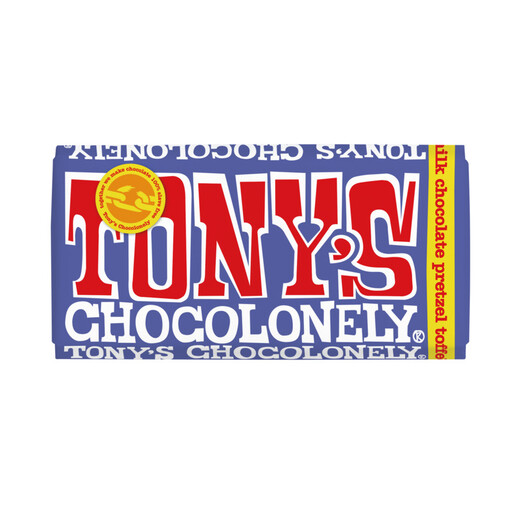 No image available
Choose this 180 g sharing format only if you can divide it before individual distribution or plan to share it afterwards. The listing names Fairtrade ingredients; check the exact pack’s mark and its current ingredients and allergen wording, particularly when choosing for a mixed group.
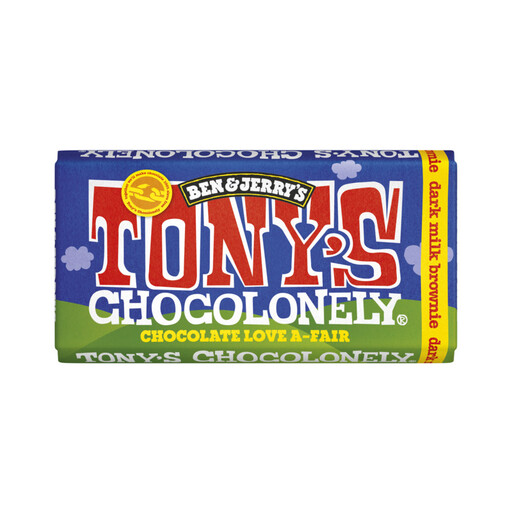 No image available
This 180 g bar suits planned portioning or sharing rather than one sealed bar per hunter. Its listing makes a Fairtrade cocoa claim; read the wrapper to establish the mark’s scope and to check ingredients and allergens for the recipients.
Look for an applicable Fairtrade mark on the exact wrapper and check what its claim covers. The Fairtrade Foundation says the classic black-background FAIRTRADE Mark means that ingredients which can be Fairtrade-certified are Fairtrade-certified.
No. Mars’s responsible-cocoa statement and KitKat’s Rainforest Alliance claim describe different programmes. If Fairtrade certification is your requirement, check the individual chocolate pack for the relevant Fairtrade mark rather than treating those statements as equivalent.
An individually wrapped mini bar works when each hunter should receive a sealed item. A 90 g or 180 g bar needs dividing if you intend to give out separate portions; it can instead be shared after the hunt.
Read each flavour’s current wrapper for declared ingredients and precautionary allergen statements, then assess it against the particular child’s needs. The UK Food Standards Agency explains that precautionary labelling communicates possible unintended presence of regulated allergens. Arrange an appropriate alternative when a chosen bar is unsuitable.
Use the physical pack you buy for the final ingredient, allergen and certification checks. Tesco advises shoppers to read food labels because product information, including ingredients and allergens, can change.