Fairtrade-first gym-goers
You want an occasional chocolate treat, but only if you can check its Fairtrade claim on the current packaging.


For an occasional gym-bag treat where Fairtrade certification matters, look for an explicit claim on the current bar: Divine lists 90g bars, while Tony’s Chocolonely lists 180g bars that you may prefer to divide before carrying. Check the exact pack’s Fairtrade wording, ingredients and allergens; neither format establishes that the bar meets your individual training-food needs.
A Fairtrade claim, bar size and the exact ingredient label can matter for different reasons when choosing chocolate to carry to the gym.
You want an occasional chocolate treat, but only if you can check its Fairtrade claim on the current packaging.
You would rather decide how much chocolate to carry before leaving home. Divine lists 90g bars, while Tony’s Chocolonely lists 180g bars that you can divide or share.
You want to tell a Fairtrade claim apart from the Cocoa Life, Rainforest Alliance or mass-balance sourcing statements associated with other chocolate brands.
Start with the sourcing claim on the exact bar, then consider its size, ingredients and place in your wider food choices.
| Priority | What to check | Your needs |
|---|---|---|
| Fairtrade claim | Look for the current Fairtrade Mark and read which ingredients it covers. The Fairtrade Foundation distinguishes its classic Mark from the Fairtrade Sourced Ingredient mark, which identifies a particular ingredient. | I want to know what the certification claim applies to, rather than treating every cocoa-sourcing statement as Fairtrade. |
| Bar size | Read the net weight and any serving information. Divine lists 90g bars; Tony’s Chocolonely lists 180g bars. Neither weight defines an individual portion. | I would prefer to choose the amount I carry, especially if buying a larger tablet. |
| Ingredients and allergens | Read the ingredient list and allergen statement for the exact flavour and current pack; do not rely on another bar from the same brand. | If an ingredient or allergen matters to me, the label on the bar I choose needs to meet that requirement. |
| Gym-bag use | Consider the bar alongside your usual food choices and training schedule. The UK Sports Institute advises a varied, balanced, food-first approach rather than relying on one food for training needs. | I am choosing an occasional treat, not assuming chocolate alone covers what I need around exercise. |
A different sourcing programme does not establish that the individual bar carries a Fairtrade claim. Mars and Galaxy describe mass-balance arrangements under which certified and non-certified cocoa may be mixed.
Check the precise wording and Mark on the current pack, including whether a Fairtrade claim covers the product or a named ingredient.
Divine lists 90g bars and Tony’s Chocolonely lists 180g bars. A bar fitting in your bag does not determine how much you intended to eat at once.
Check the net weight and decide before leaving home whether to carry the whole bar or divide it.
Food choices around exercise depend on individual circumstances. The UK Sports Institute recommends a varied, balanced, food-first approach.
Treat a chocolate bar as an optional food rather than relying on it alone for training or recovery.
Ingredients and precautionary warnings differ between products and flavours; a familiar brand name cannot settle whether a particular bar meets an allergy requirement.
Read the current pack for the flavour you intend to carry, including its precautionary allergen statement.
These brand statements describe different products or sourcing programmes; check the claim on the particular bar before deciding whether it meets your Fairtrade requirement.
Divine describes itself as Fairtrade and farmer co-owned, and its shop lists 90g dark-chocolate bars.
Tony’s UK shop describes its 180g milk and dark bars as Fairtrade certified.
Cadbury Dairy Milk cocoa is described by Cocoa Life as sourced through that programme.
Galaxy describes Rainforest Alliance-related cocoa sourcing for its Smooth Milk products using mass balance.
Mars describes a European cocoa-sourcing programme covering brands including Mars, Snickers and Twix.
KitKat describes Rainforest Alliance-certified cocoa sourcing for its chocolate and biscuits in the UK and Ireland.
These chocolate bars include a 90g Divine option and 180g Tony’s Chocolonely options for shoppers considering an occasional gym-bag treat. Check each current pack for the Fairtrade claim and ingredient details that matter to you.
 No image available
The 90g bar is an option if you prefer to plan what you carry without starting with a 180g tablet. Check its current Fairtrade wording and allergen label; the listing’s vegan-friendly description conflicts with its statement that the bar contains milk.
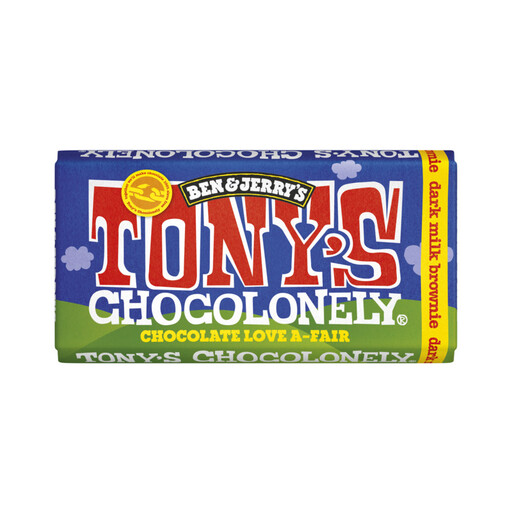 No image available
This 180g bar suits a plan to divide or share a larger tablet rather than carry it as one snack. Check the current pack’s Fairtrade wording and allergens; the listing identifies milk, soya and wheat and warns of possible eggs, nuts and peanuts.
 No image available
The 180g caramel and sea-salt bar is one to divide in advance if you want to carry less than the whole tablet. Check which ingredients its current Fairtrade claim covers; the listing identifies milk and soya and gives further precautionary allergen warnings.
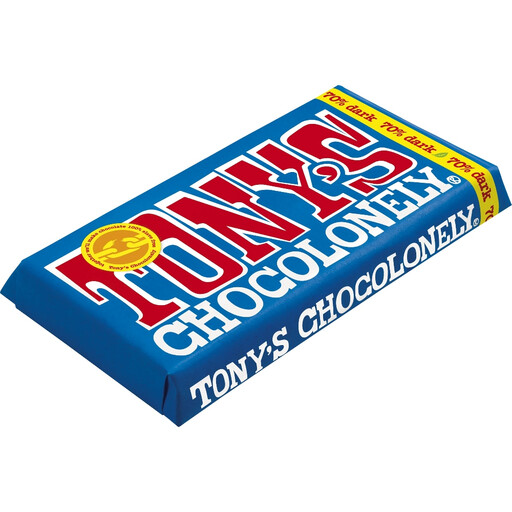 No image available
This 180g dark-chocolate bar is another larger-tablet option if you intend to divide it before taking it to the gym. Read the current pack for the precise Fairtrade ingredient claim and allergens; the listing identifies soya and gives further precautionary warnings.
No. The Fairtrade Foundation says its classic Fairtrade Mark covers ingredients that can be Fairtrade-certified, while its Fairtrade Sourced Ingredient mark identifies a particular ingredient. Cocoa Life, Rainforest Alliance and companies’ other sourcing statements have different scopes, so check the exact bar’s label.
Do not assume a chocolate bar alone meets your needs around exercise. The UK Sports Institute advises a varied, balanced, food-first approach, with choices considered in light of individual training needs.
Read the current label for the exact product and flavour. For example, the official Snickers 40g bar lists peanuts and milk ingredients and warns that it may contain other nuts; another bar’s ingredients or warnings may differ.