Runners practising with solid food
If you want to carry chocolate on a long training run, try the portion at a comparable effort. Chewing, opening the wrapper and eating it repeatedly are separate questions from whether you enjoy it as a snack.


Choose a clearly labelled Fairtrade chocolate bar as a snack around marathon training if you like it and have checked that the portion suits you. For the marathon itself, plan how you will take in carbohydrate repeatedly at your running pace; a solid chocolate bar is not an automatic substitute for sports fuel. Check the Fairtrade claim on the particular pack rather than inferring it from a brand’s wider cocoa programme.
If you want to carry chocolate on a long training run, try the portion at a comparable effort. Chewing, opening the wrapper and eating it repeatedly are separate questions from whether you enjoy it as a snack.
If sourcing matters to your snack choice, check the Fairtrade Mark and accompanying statement on the specific bar. A responsible-cocoa claim from a familiar brand does not establish the same product-level claim.
Read the current pack’s ingredients and allergen statements before buying or carrying a bar. This matters even when you have bought the same flavour before, because product information can change.
Decide whether the bar is a training snack or part of an on-run fuelling plan, then check its portion, handling and sourcing claim.
Consider it: As a snack around training, or as solid food on an easy-paced run after trying the same portion in training.
Bear in mind: Chocolate still needs chewing and handling, and its carbohydrate per portion must be considered alongside the rest of your plan.
Consider it: For a marathon plan that calls for carbohydrate you can take in at regular intervals while running.
Bear in mind: Practise with the exact product, amount and timing; a sports-food label does not establish your individual tolerance.
| Priority | What to check | Your needs |
|---|---|---|
| Carbohydrate planning | Read carbohydrate per serving, not just per 100g. Work out how a portion fits the amounts and intervals you intend to practise; the Australian Institute of Sport gives duration-dependent guidance for endurance exercise. | I want to know what a portion contributes without treating one chocolate bar as my whole marathon plan. |
| Eating while running | Try the exact portion at a relevant running effort. Check whether you can carry, unwrap, chew and consume it alongside your planned fluids. | A snack I enjoy after a run might be awkward to eat while I am moving. |
| Fairtrade claim | Look for the applicable Fairtrade Mark and read the pack’s ingredient-sourcing statement. The Fairtrade Foundation distinguishes the classic Mark from claims about a named Fairtrade-sourced ingredient. | I want the claim on the bar I buy to match the sourcing standard I have in mind, rather than relying on a brand-wide cocoa message. |
| Ingredients and allergens | Check the current ingredients, emphasised allergens and precautionary statements on the physical pack. Repeat the check if you buy a different flavour or size. | Before I pack a bar for a run, I need to know whether its current ingredients and warnings suit my requirements. |
Fairtrade describes sourcing; it does not tell you whether a bar’s portion, texture or carbohydrate content works in your marathon plan.
Choose a chocolate snack for its stated sourcing claim, then assess any on-run use separately against your practised fuelling plan.
Fairtrade certification, Rainforest Alliance cocoa sourcing and a company’s own cocoa programme make different claims. Galaxy explains that certified and non-certified cocoa can mix under mass balance.
If you specifically want Fairtrade, check the Mark and sourcing statement on the exact pack rather than relying on a general brand claim.
A familiar flavour does not establish that you can carry, unwrap and eat the same portion comfortably at race effort.
Trial the bar’s portion and timing on training runs before deciding whether it belongs in your race-day plan.
Different chocolate flavours can have different ingredients and precautionary statements, and pack information can change.
Read the physical pack’s ingredients and allergen wording before buying it and again before taking it on a run.
These references concern the stated products or product lines, not every bar sold under each brand.
Its 50g Milk Chocolate Small Bar is an individually sized option for someone seeking a stated Fairtrade cocoa claim.
Divine’s 35g milk chocolate bar offers a smaller portion with a product-level Fairtrade ingredient statement.
Cadbury Dairy Milk is relevant if you are considering Cocoa Life sourcing rather than assuming a Fairtrade-certified bar.
Galaxy Smooth Milk carries a cocoa-sourcing claim that should be distinguished from Fairtrade certification.
KitKat describes a Rainforest Alliance cocoa-mass claim for its UK and Irish bars.
These are 180g chocolate bars to consider as portioned snacks around marathon training, not individually sized race-fuel products. Check the current pack if a particular Fairtrade Mark, ingredient statement or allergen warning matters to you.
 No image available
The 180g format is a larger bar from which to choose a training-snack portion. Check the pack’s Fairtrade statement, carbohydrate per portion and allergens; try the portion during training before considering it for a run.
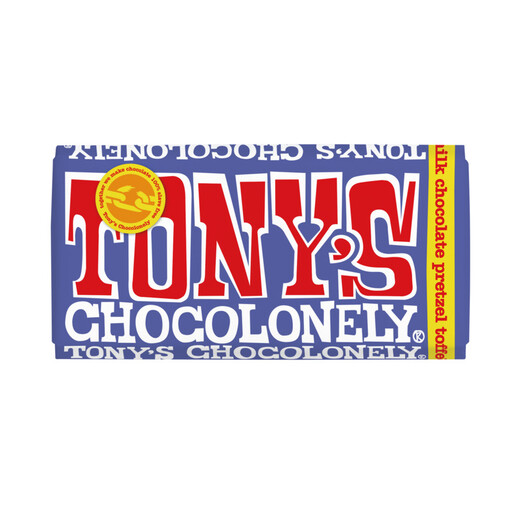 No image available
This 180g pretzel-and-toffee bar is another option for a portioned training snack. Read its current sourcing statement and ingredients, and check the carbohydrate in the portion you intend to carry rather than assuming the whole bar is one serving.
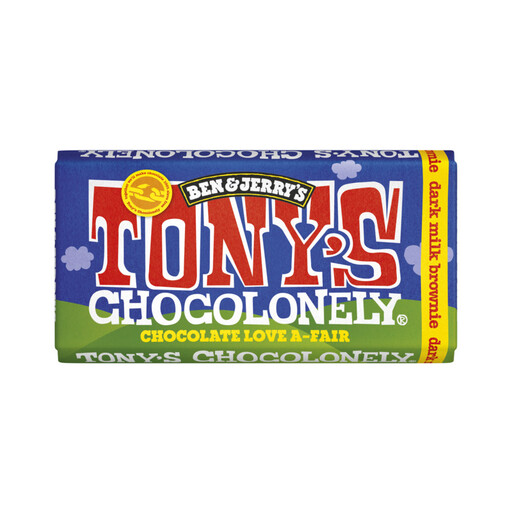 No image available
This 180g fudge-brownie bar is a solid-food snack option to portion and test during training. If Fairtrade certification is essential, check the Mark and its wording on this pack; also read the current ingredients and allergens.
You can try a portion during training, but do not treat a Fairtrade claim as evidence that the bar will meet your marathon fuelling needs. Plan the carbohydrate you intend to take in, then practise eating the exact product at a relevant running effort; sports foods offer other formats to consider for repeated intake.
The Australian Institute of Sport gives 30–60g per hour for endurance exercise lasting 1–2.5 hours and up to 90g per hour for events lasting more than 2.5–3 hours. Those are duration-based guidance figures, not a personal target: practise your planned amounts, timing and fluids in training.
Look at the specific pack’s Fairtrade Mark and ingredient-sourcing statement. The Fairtrade Foundation says the classic Mark indicates that all ingredients that can be Fairtrade-certified are certified; a claim naming a Fairtrade-sourced ingredient has a narrower scope.
No. A Rainforest Alliance cocoa-sourcing claim does not establish Fairtrade certification for the finished chocolate bar. Check the particular pack for the Fairtrade Mark if that is the claim you want.
Read the current physical pack’s ingredients, emphasised allergens and precautionary statements for the exact flavour and size you plan to carry. Do not rely on an older listing or assume another bar from the same brand has the same ingredients.