Who is each option for?

Fairtrade-first coffee commuters

If you want chocolate and mint with your coffee, look for a Fairtrade claim on the exact product rather than assuming that every item in a retailer’s Fairtrade range qualifies. Waitrose & Partners lists Divine Fairtrade Dark Chocolate After Dinner Mints; the Fairtrade Foundation explains that the classic Fairtrade Mark covers ingredients that can be Fairtrade-certified.

People who use pocket mints regularly

If you reach for a mint after coffee throughout the week, a sugar-free format may fit that routine better than a chocolate treat. Peppersmith lists 0g sugars per 100g for its English Peppermint Xylitol Mints and warns that excessive consumption may produce laxative effects.

Convenience-led grocery shoppers

If you want a familiar roll or multipack to pick up with groceries, Tesco and Waitrose & Partners list Polo and Trebor formats. Check the individual product for ingredients, nutrition and any Fairtrade claim; a place in a supermarket catalogue does not establish those details.

What matters when choosing mints for coffee?

Fairtrade chocolate and mint

Choose when: you want a Fairtrade-labelled chocolate treat with coffee. Waitrose & Partners lists Divine Fairtrade Dark Chocolate After Dinner Mints.

Bear in mind: chocolate confectionery is not a sugar-free breath mint; Divine Chocolate lists 32.3g sugars per 100g for its 70% Dark Chocolate with Mint Crisp bar, a different product from the after-dinner mints.

Sugar-free pocket mint

Choose when: you want a mint to carry for regular post-coffee use. Peppersmith’s English Peppermint Xylitol Mints come in a resealable 50g pouch.

Bear in mind: sugar-free does not establish Fairtrade certification, and Peppersmith warns that excessive consumption may produce laxative effects.

Standard mint multipack

Choose when: a familiar mint format that you can keep in several places matters most. Tesco and Waitrose & Partners list Polo Original multipacks.

Bear in mind: a multipack listing alone establishes neither Fairtrade certification nor the sugar and allergen details of the pack you buy.

Priority What to check Your needs
Fairtrade sourcing Look for a Fairtrade claim or Mark on the exact pack or current listing. The Fairtrade Foundation says its classic Mark applies to ingredients that can be Fairtrade-certified. I want the product I buy to substantiate its Fairtrade claim, not just to come from a shop with a Fairtrade range.
Sugar and sweeteners Compare sugars per 100g and read the sweetener ingredients on each product. Divine Chocolate lists 32.3g sugars per 100g for its 70% mint bar; Peppersmith lists 0g per 100g for its English Peppermint Xylitol Mints. If I use mints repeatedly after coffee, I want to distinguish a sugar-free mint from a chocolate treat rather than treat them as interchangeable.
Ingredients and allergens Read the current pack’s ingredients and any may-contain statement. Divine Chocolate states that its 70% mint bar may contain gluten, milk and nuts; Waitrose & Partners warns that recipes and allergen information can change. Before eating something bought on my commute, I need to know whether its current ingredients suit my dietary requirements.
Pack format Compare pack size and whether it reseals. Peppersmith describes a resealable 50g pouch; Waitrose & Partners lists Divine After Dinner Mints in a 200g pack. A small pack I can carry suits regular mint use; a larger chocolate pack makes more sense when I specifically want a treat to share or keep for later.

Mistakes to avoid when buying mints

  • Assuming a retailer’s Fairtrade range makes every mint Fairtrade

    A retailer category can contain different kinds of products. The Fairtrade Foundation describes what its classic Mark means for eligible ingredients, but the claim still needs to apply to the particular item.

    Check the exact mint or chocolate-mint pack, or its current product listing, for the Fairtrade claim or Mark.

  • Treating a chocolate mint like a sugar-free pocket mint

    The formats answer different coffee-break needs. Divine Chocolate lists 32.3g sugars per 100g for its 70% Dark Chocolate with Mint Crisp bar; that figure must not be assumed to describe Divine’s separate after-dinner mints.

    If you use mints frequently, compare the nutrition panels of the exact chocolate and sugar-free products you are considering.

  • Relying on an online allergen description alone

    Waitrose & Partners warns that recipes and allergen information can change, so an earlier listing may not describe the pack in your hand.

    Read the current pack’s ingredient and allergen declarations before eating, particularly if an allergy or intolerance affects your choice.

  • Assuming sugar-free xylitol mints have no usage warning

    Peppersmith warns that excessive consumption of its English Peppermint Xylitol Mints may produce laxative effects.

    Follow the warning on the pack and read its ingredients if a particular sweetener or ingredient matters to you.

Brands illustrating the different choices

Divine Chocolate

A chocolate-and-mint route when Fairtrade sourcing is part of the coffee-break decision. Waitrose & Partners lists Divine Fairtrade Dark Chocolate After Dinner Mints.

  • Divine Chocolate identifies Fairtrade ingredients and provides nutrition and may-contain information for its separate 70% Dark Chocolate with Mint Crisp bar.
  • Those bar details do not describe every Divine product. Check the current after-dinner-mint pack for its own ingredients and allergens.

Peppersmith

An example of a sugar-free peppermint mint to consider for regular use after coffee, rather than as a chocolate treat.

  • Peppersmith lists 0g sugars per 100g and a resealable 50g pouch for its English Peppermint Xylitol Mints.
  • The manufacturer warns that excessive consumption may produce laxative effects. Check the ingredient declaration, including its stated oats reference, if relevant to you.

Polo

A conventional mint format for shoppers considering a multipack; Tesco and Waitrose & Partners list Polo Original multipacks.

  • The listed multipack format lets you consider how many mint tubes you want to carry or keep in different places.
  • The catalogue listings alone do not establish Fairtrade certification or dietary suitability for the exact pack.

Trebor

A conventional strong-peppermint option listed in Tesco and Waitrose & Partners mint catalogues.

  • An Extra Strong Peppermint roll is listed for shoppers who specifically want that flavour and format.
  • Check the exact pack for Fairtrade claims, sugar content and ingredients rather than inferring them from its catalogue category.

Pocket mints and multipacks on Joybuy

These Joybuy options cover sugar-free mints and a conventional mint multipack to carry on a coffee commute. If Fairtrade sourcing is essential, check the claim on the exact product rather than treating mint flavour or pack format as proof.
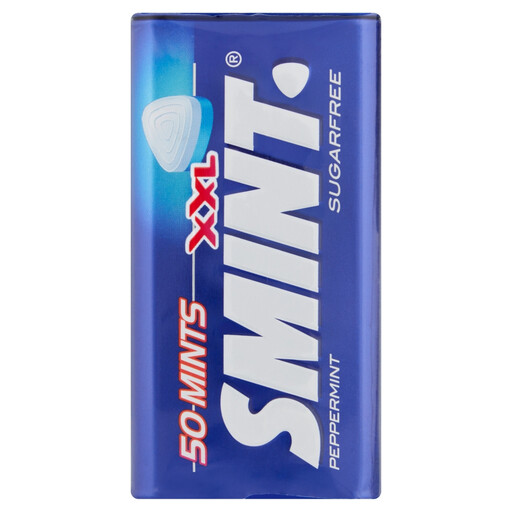
Smint Peppermint Sugar Free Mints 35g

Smint Peppermint Sugar Free Mints 35g

A 35g sugar-free peppermint option to carry for mints after coffee. If you specifically want xylitol, check the current pack: the product’s promotional wording and ingredient list disagree about it. Check the exact pack for any Fairtrade claim.

View on Joybuy
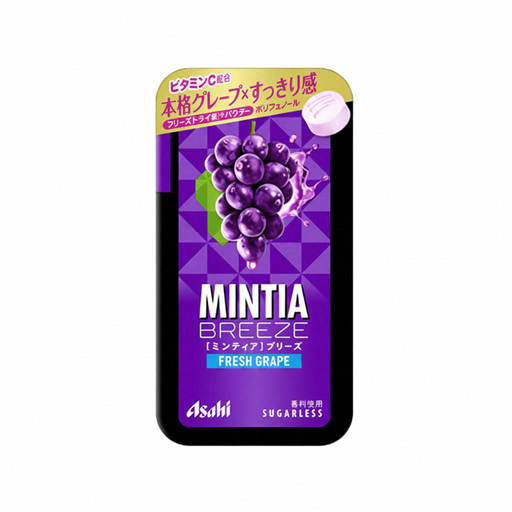
Asahi Mintia Sugar-Free Refreshing Grape Mints 22g

Asahi Mintia Sugar-Free Refreshing Grape Mints 22g

These 22g sugar-free grape mints offer a different flavour from peppermint for a coffee commute. Read the current pack for ingredients and allergens, and confirm any Fairtrade claim on the exact product if certification matters.

View on Joybuy
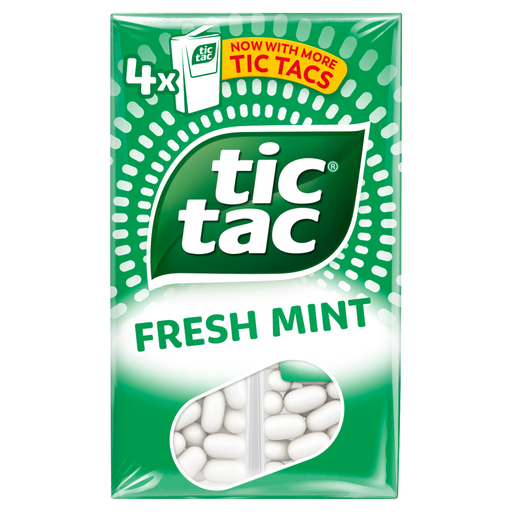
Tic Tac Mint 4 Pack 72g

Tic Tac Mint 4 Pack 72g

This 72g four-pack offers separate mint packs to carry or keep in different places. The product information lists sugar, so compare the current nutrition panel if that affects your choice; check the exact pack for any Fairtrade claim.

View on Joybuy

Coffee-commute mint questions

How can I tell whether a mint or chocolate mint is Fairtrade?

Check the exact pack or current product listing for a Fairtrade claim or Mark. The Fairtrade Foundation says its classic black-background Mark indicates that all ingredients that can be Fairtrade-certified are certified; a retailer’s general Fairtrade range is not proof for an individual mint.

Can Fairtrade chocolate mints replace sugar-free mints after coffee?

They serve different purposes: a Fairtrade-labelled chocolate mint is a coffee-break treat, while a sugar-free pocket mint may suit repeated use. Divine Chocolate lists 32.3g sugars per 100g for its 70% mint bar, whereas Peppersmith lists 0g per 100g for its English Peppermint Xylitol Mints and warns about excessive consumption.

What should I check for allergens in a chocolate mint?

Read the current pack’s ingredients and any may-contain statement before eating. Divine Chocolate says its 70% Dark Chocolate with Mint Crisp bar may contain gluten, milk and nuts; do not assume that statement describes a different Divine mint product.

Is a supermarket’s online ingredient listing enough?

Use it to compare candidates, then check the pack you buy. Waitrose & Partners warns that recipes change and that shoppers should not rely solely on website information for product details.

Does a Fairtrade claim tell me how much sugar a mint contains?

No. The Fairtrade Mark concerns certification of eligible ingredients, as the Fairtrade Foundation explains; sugar content is a separate question for the exact product’s nutrition panel. Check ingredients and allergens separately too.