Fairtrade-first shoppers
If certification is a condition of purchase, look for the mark on the individual bar. Broad ethical-sourcing wording or a different certification does not answer the same question.


If Fairtrade certification is essential, check the bar’s on-pack FAIRTRADE Mark: the classic mark covers every ingredient that can be Fairtrade-certified, while the Fairtrade Sourced Ingredient mark identifies a particular ingredient, such as cocoa. For a routine snack 60–90 minutes before exercise, University College London Hospitals NHS Foundation Trust describes a different combination—carbohydrate and protein with minimal fat—and treats chocolate as an occasional treat rather than a regular snack.
If certification is a condition of purchase, look for the mark on the individual bar. Broad ethical-sourcing wording or a different certification does not answer the same question.
If you want chocolate as an occasional treat, consider the timing and portion separately from its sourcing. University College London Hospitals NHS Foundation Trust describes carbohydrate and protein with minimal fat for a snack 60–90 minutes before training.
If the bars are intended for a school food service, check the rules applicable to that setting before ordering. England’s school-food regulations define chocolate as confectionery; a Fairtrade mark does not settle whether it may be provided.
Start with the certification requirement, then assess the proposed snack against workout timing and the information on the individual pack.
| Priority | What to check | Your needs |
|---|---|---|
| Fairtrade status | Check the on-pack mark and its scope. The Fairtrade Foundation says the classic FAIRTRADE Mark covers ingredients that can be Fairtrade-certified; the Fairtrade Sourced Ingredient mark identifies a particular ingredient, such as cocoa. | I want to know exactly what the certification covers, rather than rely on a general sourcing claim. |
| Workout timing | Consider when you last ate and how long remains before exercise. University College London Hospitals NHS Foundation Trust describes carbohydrate and protein with minimal fat for snacks 60–90 minutes beforehand; its guidance discusses faster-acting carbohydrate closer to a session. | My snack choice needs to reflect when I plan to exercise, not just the fact that a bar contains sugar. |
| Portion and nutrition | Read the serving size and nutrition information on the selected pack, including fat and sugar. A whole sharing bar and a stated serving are not necessarily the same amount. | I would enjoy some chocolate, but I want to judge the portion I actually plan to eat. |
| School setting | For school food in England, establish the current rules for the setting and service. The Department for Education describes changes planned for September 2027 as subject to Parliamentary approval. | If I am buying for a school, I need to check the applicable food rules separately from the bar’s sourcing credentials. |
Rainforest Alliance certification, a brand sourcing programme and Fairtrade certification describe different claims. A bar bearing one does not thereby carry another.
Read the certification mark on the chosen pack and distinguish the classic FAIRTRADE Mark from a mark covering a specified sourced ingredient.
A Fairtrade claim concerns sourcing, not the snack combination described in University College London Hospitals NHS Foundation Trust’s guidance for 60–90 minutes before exercise. The Trust also describes chocolate as an occasional treat rather than a regular snack.
Consider workout timing and what you last ate, then compare the portion and nutrition information with the snack you intend to have.
England’s school-food rules have a defined jurisdiction. The Department for Education describes its September 2027 changes as proposed and subject to Parliamentary approval, not rules already in force.
Before buying chocolate for a school food service, check the nation, setting and rules currently applicable to that service; do not treat Fairtrade certification as an exemption.
These brand statements help distinguish Fairtrade certification from other cocoa-sourcing approaches; check the claim on the particular bar you choose.
A Fairtrade chocolate brand that says cocoa farmers in Ghana’s Kuapa Kokoo cooperative co-own the company.
A Fairtrade-certified chocolate brand with additional stated sourcing principles concerning cocoa-sector exploitation.
A different certification reference for shoppers who do not require Fairtrade: Mars describes specified Galaxy Smooth Milk products as using cocoa sourced from Rainforest Alliance Certified farms under mass balance.
Nestlé says KitKat bars in the UK and Ireland use cocoa mass from its income accelerator programme and describes it as Rainforest Alliance certified with Mixed Identity Preserved traceability.
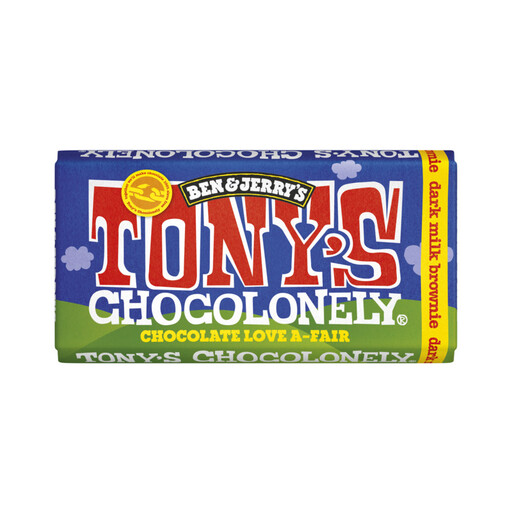
These Tony’s Chocolonely and Divine bars offer different flavours and bar sizes for someone considering an occasional chocolate treat. If Fairtrade certification is essential, confirm the mark and its scope on the particular pack before choosing; bar size alone does not establish a suitable pre-workout serving.
 No image available
A 180 g chocolate bar to consider as an occasional treat rather than routine pre-workout fuel. Check the pack’s Fairtrade mark and serving information before choosing a portion.
 No image available
This 180g milk chocolate bar is an occasional-treat option. If Fairtrade status is your deciding criterion, confirm the mark and its scope on the pack; use the pack’s serving information when considering a portion.
 No image available
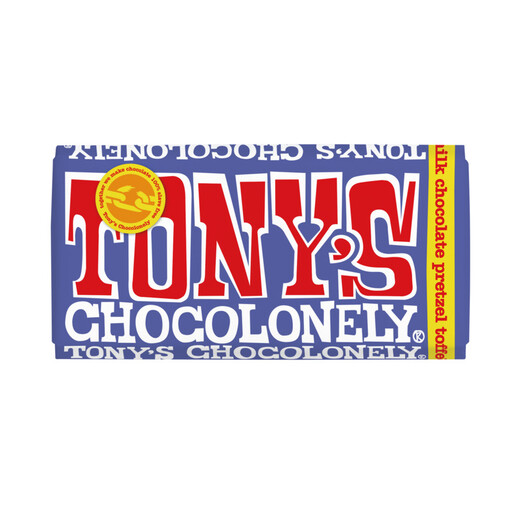
A 180g milk chocolate bar with pretzel and toffee for an occasional chocolate choice. Check the pack’s Fairtrade mark and serving information rather than assuming the whole bar is one snack portion.
 No image available
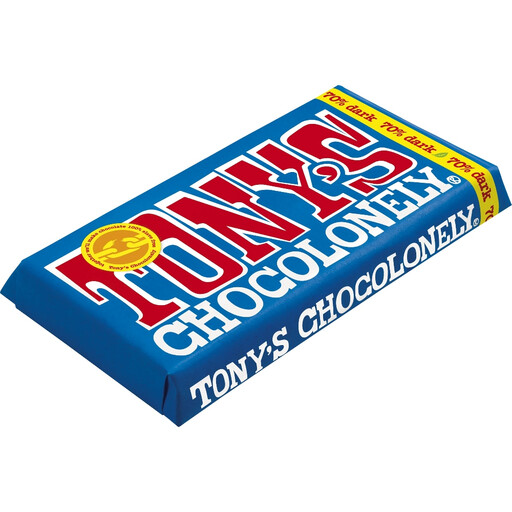
Choose this 180g bar if you prefer dark chocolate for an occasional treat. Confirm the certification mark on the individual pack and check its serving information before deciding how much to have.
 No image available
A 90g raspberry dark chocolate bar for someone considering a smaller-format occasional treat; 90g is the bar size, not a suggested serving. Confirm the Fairtrade mark on the pack. Product information conflicts on vegan suitability and lists milk as an allergen, so check the pack before relying on a dietary claim.
Look for the FAIRTRADE Mark on the individual pack, not just ethical-sourcing wording. The Fairtrade Foundation says the classic mark covers all ingredients that can be Fairtrade-certified, whereas the Fairtrade Sourced Ingredient mark identifies a particular Fairtrade-sourced ingredient, such as cocoa.
Fairtrade certification does not establish that a bar fits a regular pre-workout snack. University College London Hospitals NHS Foundation Trust describes carbohydrate and protein with minimal fat for a snack 60–90 minutes before training when the previous meal was 2–3 hours earlier, and treats chocolate as an occasional rather than regular snack.
University College London Hospitals NHS Foundation Trust describes faster-acting carbohydrate for people using a snack to top up glucose shortly before exercise; the amount depends on individual circumstances and the activity. If you manage diabetes or use insulin, follow your individual clinical plan rather than a generic chocolate-bar portion.
No. The certifications describe different sourcing claims. Mars describes specified Galaxy Smooth Milk cocoa sourcing as Rainforest Alliance certified under mass balance, while Nestlé describes Rainforest Alliance certification for cocoa mass in UK and Ireland KitKat bars; neither statement establishes a FAIRTRADE Mark on those bars.
Check the current rules for the particular school setting and service before ordering. England’s school-food regulations define chocolate as confectionery, while the Department for Education says changes planned for September 2027 remain subject to Parliamentary approval. A Fairtrade mark does not determine whether the bar may be provided.