For a routine toddler snack, choose a non-chocolate option: NHS snack guidance lists fruit, vegetables, yoghurt and toast, while Fairtrade certification concerns sourcing rather than a food’s role at snack time. If you buy chocolate separately as an occasional treat and Fairtrade matters to you, check the mark on the exact pack; other responsible-cocoa claims do not establish the same certification.
Who is making this choice?
Parents and carers planning everyday snacks
If you are choosing food between meals for a toddler, decide on the snack before considering a chocolate bar’s sourcing claim. NHS guidance offers fruit, vegetables, yoghurt, toast and other non-chocolate examples.
Shoppers buying chocolate separately
If the purchase is an occasional treat rather than a routine toddler snack, check the exact pack for its FAIRTRADE Mark. The classic mark and the Fairtrade Sourced Ingredient mark describe different certification scopes, as the Fairtrade Foundation explains.
People planning food for an England school
For food served during the school day in England, the Department for Education’s guidance published on 14 September 2026 says chocolate and chocolate-coated products must not be served. Check an individual nursery’s policy separately rather than assuming school rules describe every early-years setting.
What should you check first?
Decide whether you are filling a usual snack slot or buying chocolate separately. Then assess any sourcing claim on the particular pack, not just the brand’s wider cocoa programme.
| Priority | What to check | Your needs |
|---|
| Everyday snack |
Start with the snack’s purpose. NHS guidance lists fruit, vegetables, yoghurt, toast and other non-chocolate options for young children; Fairtrade status does not change a chocolate bar’s role. |
For a usual snack between meals, I want an option from the NHS’s non-chocolate examples rather than choosing confectionery for its sourcing label. |
| Fairtrade claim |
Look for the FAIRTRADE Mark on the exact pack. The Fairtrade Foundation says the classic mark covers all ingredients that can be Fairtrade-certified; check which ingredient a Fairtrade Sourced Ingredient mark names. |
If I buy chocolate separately and require Fairtrade sourcing, I need to know whether the claim covers certifiable ingredients generally or a named ingredient such as cocoa. |
| Other cocoa claims |
Read the stated scope of a Cocoa Life, responsible-cocoa or Rainforest Alliance claim. These do not, by themselves, confirm a FAIRTRADE Mark on a particular bar. |
I may accept another sourcing programme, but I do not want to mistake its wording for Fairtrade certification. |
| England school food |
For school-day provision in England, follow the Department for Education guidance published on 14 September 2026: chocolate and chocolate-coated products must not be served across the whole school day. Check an individual nursery’s policy separately. |
When arranging food for an England school, I need a non-chocolate choice regardless of the cocoa-sourcing claim. |
Common mistakes to avoid
-
Treating Fairtrade as a snack-nutrition label
Fairtrade addresses sourcing; it does not make a chocolate bar one of the routine snack examples in NHS guidance for young children.
Choose the everyday snack first from options such as fruit, vegetables, yoghurt or toast. Make any chocolate purchase a separate decision.
-
Reading every ethical cocoa claim as Fairtrade
Brand cocoa programmes and Rainforest Alliance certification have their own scopes. Galaxy also says certified and non-certified cocoa may mix in its mass-balance process; that wording does not establish a Fairtrade claim.
If Fairtrade is required, inspect the exact pack for a FAIRTRADE Mark and, for a Sourced Ingredient mark, the ingredient it names.
-
Assuming sourcing certification changes school-food rules
The Department for Education’s guidance published on 14 September 2026 says chocolate and chocolate-coated products must not be served across the whole school day in England, regardless of a sourcing claim.
Use a non-chocolate option for England school-day provision and check the food policy of the particular nursery or school.
Brand and sourcing references
A brand’s cocoa programme is not a substitute for checking the certification claim on the bar you intend to buy.
Divine
Divine describes its chocolate as Fairtrade and farmer co-owned.
- A Divine 70% dark product description names Fairtrade cocoa mass, sugar, cocoa butter and vanilla.
- Check the ingredients and certification information on the specific variety and pack; those details do not determine whether it belongs in a routine toddler snack.
Cadbury
Cocoa Life says Cadbury Dairy Milk cocoa is sourced through its programme.
- Cocoa Life identifies a sourcing programme for the named Cadbury Dairy Milk line.
- That programme statement does not establish that a particular Cadbury bar carries a FAIRTRADE Mark.
Mars, Snickers and Twix
Mars describes Responsible Sourced Cocoa as a supply-chain programme.
- The manufacturer sets out a cocoa-sourcing initiative at programme level.
- Check the specific Mars, Snickers or Twix pack if a Fairtrade-certified product is required.
Galaxy
Galaxy describes responsible-cocoa and Rainforest Alliance mass-balance sourcing for named Smooth Milk products.
- Galaxy explains that certified and non-certified cocoa may mix during processing under mass balance.
- Its Rainforest Alliance information should not be read as a FAIRTRADE Mark on a specific Galaxy bar.
KitKat
KitKat describes Nestlé Cocoa Plan and Rainforest Alliance sourcing for cocoa used in its UK and Ireland chocolate and biscuits.
- The manufacturer identifies the programme and certification behind its stated cocoa-sourcing claim.
- Rainforest Alliance certification is not the same claim as Fairtrade certification; inspect the particular pack if Fairtrade is essential.
Chocolate options for a separate purchase
These chocolate bars are options to consider for an occasional purchase where Fairtrade-related ingredient claims matter. They are not presented as routine toddler snacks; check the exact pack’s certification mark and ingredients before choosing.
 No image available
Green & Black's Dark Chocolate 85% 90g
For a chocolate purchase separate from everyday toddler snacks, this 85% dark bar is listed with Fairtrade-related cocoa, sugar and vanilla claims. If certification scope matters, check the FAIRTRADE Mark on the exact pack rather than relying on ingredient wording alone.
View on Joybuy
 No image available
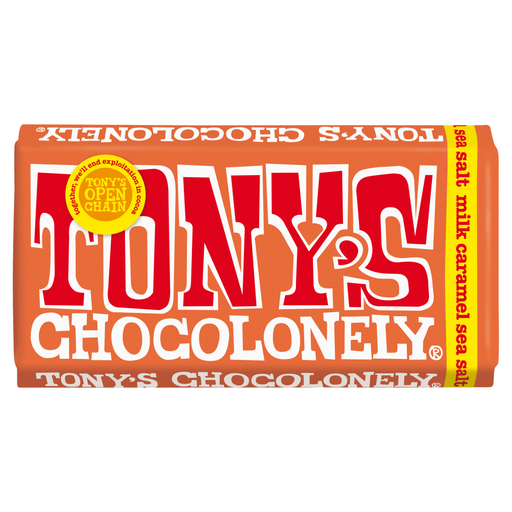
Tony's Chocolonely Milk Chocolate Caramel Sea Salt 180g
This milk chocolate, caramel and sea salt bar is an option for a separate occasional purchase, not a routine toddler snack. Its listing names Fairtrade-sourced ingredients; check the exact pack’s mark, ingredient information and allergen information before buying.
View on Joybuy
No image available
Divine Chocolate 70% Dark Chocolate with Raspberries 90g
For chocolate bought separately from a toddler’s usual snacks, this 70% dark raspberry bar has a Fairtrade-related cocoa and sugar claim in its listing. Check the certification mark, ingredients and allergen information on the exact pack.
View on Joybuy
Questions about snacks and Fairtrade
Is a Fairtrade chocolate bar a routine snack for a toddler?
No. Fairtrade describes sourcing, not a bar’s suitability as an everyday snack. NHS guidance instead offers non-chocolate options for young children, including fruit, vegetables, yoghurt and toast.
How can I check a chocolate bar’s Fairtrade claim?
Look at the exact pack for its FAIRTRADE Mark. The Fairtrade Foundation says the classic mark covers all ingredients that can be Fairtrade-certified; if the pack uses a Fairtrade Sourced Ingredient mark, check which ingredient it identifies.
Is responsibly sourced cocoa the same as Fairtrade?
No. A brand programme or Rainforest Alliance claim has its own stated scope and does not establish that the bar carries a FAIRTRADE Mark. Read the particular pack if Fairtrade certification is your requirement.
Can chocolate be served during the school day in England?
For England school-food provision, the Department for Education guidance published on 14 September 2026 says confectionery, chocolate and chocolate-coated products must not be served across the whole school day. Check the applicable rules or policies separately for other UK nations and individual early-years settings.
Do children under one need snacks?
No. NHS guidance says children under one should not be given snacks. Its snack examples for older young children should not be treated as a reason to offer a chocolate bar routinely.


