Fairtrade-first shoppers
If Fairtrade coverage is the deciding factor, check the mark on the exact bar. Terms such as organic or responsibly sourced describe different attributes and do not, by themselves, establish Fairtrade certification.


For a Bonfire Night gathering, start with the Fairtrade mark and its ingredient coverage, then choose a cocoa percentage your guests are likely to enjoy: a documented 70–75% option is a practical starting point when preferences vary, while 85% is better reserved for people who already favour intense dark chocolate. Organic, vegan and responsible-sourcing claims do not establish the same Fairtrade coverage; check each current wrapper for allergens before sharing.
If Fairtrade coverage is the deciding factor, check the mark on the exact bar. Terms such as organic or responsibly sourced describe different attributes and do not, by themselves, establish Fairtrade certification.
For a group with mixed preferences, consider a documented 70–75% cocoa bar before choosing an 85% option for guests who already enjoy stronger dark-chocolate flavours. Keep the wrapper available when sharing.
Check the current label of every bar. A vegan description does not remove a may-contain warning or make a product suitable for someone with an allergy.
Decide what the Fairtrade claim needs to cover, then narrow the choice by flavour preference and the practicalities of sharing.
| Priority | What to check | Your needs |
|---|---|---|
| Fairtrade coverage | The Fairtrade Foundation says the classic black-background Fairtrade Mark covers every ingredient that can be Fairtrade-certified. A Fairtrade Sourced Ingredient mark names the certified ingredient; also read any mass-balance wording. | I want to know whether the claim covers all eligible ingredients or a named ingredient such as cocoa. |
| Cocoa intensity | Compare the stated cocoa percentages, then read the maker’s flavour description. Divine describes its 70% bar as having subtle sweetness; M&S documents 75% and 85% dark-chocolate options. | For guests whose preferences I do not know, I would start with a 70–75% option. I would choose 85% for someone who already likes intense dark chocolate. |
| Allergens and diet | Read the ingredients, allergy advice and suitability statement on the current wrapper. Check the exact variant rather than relying on a brand-wide or vegan description. | I need to make sure each guest can assess the bar being served, especially where milk, nuts or other allergens are a concern. |
| Taking it to a gathering | Follow the bar’s storage instructions and keep its packaging with it. The reviewed M&S and Morrisons products specify a cool, dry place away from sunlight. | I want the chocolate protected before serving and its ingredient information available to guests. |
Organic, ethical and responsible-sourcing statements do not establish that a particular dark bar is Fairtrade-certified.
If Fairtrade is essential, inspect the exact pack for the mark and read which ingredients it covers.
Cocoa percentage describes the chocolate’s composition, not the scope of its Fairtrade claim. Morrisons states that the Fairtrade cocoa in its 85% Ecuador bar may be mixed with non-certified cocoa on a mass-balance basis.
Choose the percentage for flavour preference, then check the certification wording separately.
Divine’s reviewed vegan 70% bar carries may-contain warnings for gluten, milk and nuts. M&S says its reviewed 75% and 85% bars are not suitable for people with milk, nut or peanut allergy.
Use the current wrapper of the exact bar to check ingredients and allergy advice before serving.
The reviewed M&S and Morrisons products call for storage in a cool, dry place away from sunlight, which matters when transporting chocolate to an outdoor gathering.
Keep the bar protected in its packaging until it is time to share it.
Divine documents Fairtrade ingredients for its plain 70% dark bar and says it uses every ingredient that can be bought on Fairtrade terms.
M&S product pages describe Fairtrade cocoa in reviewed 75% single-origin and 85% dark-chocolate bars.
Green & Black's describes its ingredients as organic and ethically sourced.
Montezuma's lists an organic 74% FitzRoy dark bar and says its cocoa is certified.
Hotel Chocolat offers dark chocolate in bar and gifting formats and describes its own Better Way farming-funding approach.
Lindt describes cocoa sourcing through its Farming Program or other responsible-sourcing standards and lists dark bars at several cocoa percentages.
These bars offer different cocoa and flavour choices for a Bonfire Night gathering. Check each current pack for the precise Fairtrade claim and allergy information before sharing.
 No image available
Consider this 85% cocoa bar for someone who already enjoys intense dark chocolate. Morrisons states that its Fairtrade cocoa may be mixed with non-certified cocoa on a mass-balance basis; that claim does not establish Fairtrade coverage for every eligible ingredient. The listing warns of possible cereals containing gluten, milk, nuts and peanuts, so check the current wrapper before sharing.
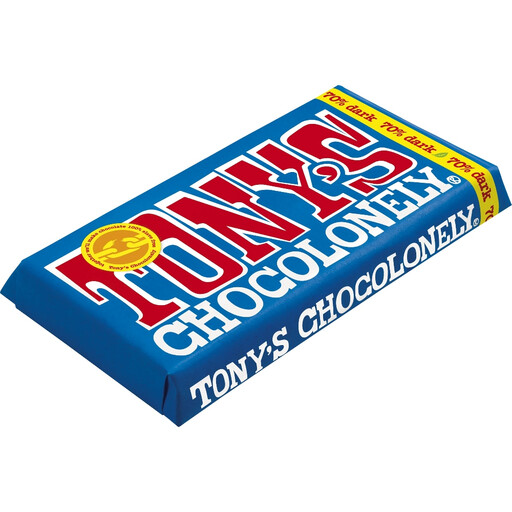 No image available
For a bar to share, inspect the current pack to establish the Fairtrade mark and its coverage. The listing says cocoa mass, sugar and cocoa butter are traded in compliance with Fairtrade Standards, but that wording alone does not identify the pack’s mark. Its allergy information names soya and warns of possible cereals containing gluten, eggs, milk, peanuts and nuts.
 No image available
This raspberry variant offers a 70% cocoa choice. Check its own pack for the Fairtrade mark and coverage rather than applying claims from Divine’s plain 70% bar. The listing’s ingredient and allergen information names milk despite a vegan-friendly description, and it warns of possible gluten and nuts; resolve that conflict on the current wrapper before choosing it for anyone avoiding milk.
Read both the mark and the wording beside it. The Fairtrade Foundation says its classic black-background mark means all ingredients that can be Fairtrade-certified are certified; a Fairtrade Sourced Ingredient mark instead identifies a particular certified ingredient, such as cocoa.
Not when the product uses mass balance. Under that approach, certified and non-certified cocoa may mix during processing while Fairtrade volumes are accounted for; Morrisons explicitly describes its reviewed 85% Ecuador bar’s Fairtrade cocoa on this basis.
Not automatically. Divine’s reviewed plain vegan 70% bar may contain gluten, milk and nuts, while M&S describes its reviewed vegan 75% and 85% bars as unsuitable for people with milk, nut or peanut allergy. Check the current wrapper of the exact bar before serving it.
A documented 70–75% option is a practical starting point if you do not know everyone’s preferences, but there is no percentage that suits every guest. Divine describes its plain 70% bar as having subtle sweetness; choose an 85% bar for someone who already enjoys more intense dark chocolate, and check allergens whichever percentage you pick.
Keep it packaged in a cool, dry place away from sunlight until serving, as instructed for the reviewed M&S and Morrisons bars. Retain the wrapper so guests can check the ingredients and allergy advice themselves.