What should you check before choosing?
Start with the sourcing claim if it is essential to your purchase, then choose a cocoa level you enjoy with tea and check the current allergen label.
| Priority |
What to check |
Your needs |
| Fairtrade wording |
Find the claim on the exact bar. Check whether it covers certifiable ingredients, names a particular ingredient or uses mass-balance wording; these do not describe identical sourcing arrangements. |
I want a Fairtrade claim I can identify on the chocolate I am buying, rather than relying on a broad ethical-sourcing message. |
| Cocoa intensity |
Compare the stated cocoa percentage and the bar’s flavour description. Divine describes its 70% bar as bold with subtle sweetness and its 85% bar as bittersweet; M&S lists a 75% single-origin option. |
For an everyday tea break, I might prefer some sweetness with the cocoa. If I enjoy a stronger bittersweet finish, I can consider 85%, particularly with a robust tea. |
| Allergen suitability |
Read the current ingredients and may-contain statement for the exact bar. Do not use vegan, organic or dark-chocolate wording in place of an allergen check. |
If I am serving someone with an allergy, I need to check the pack they will actually eat, not assume another bar from the same brand has the same warning. |
Which brands are relevant?
These brand references help distinguish product-level Fairtrade wording from other dark-chocolate choices; they do not imply that every bar from a brand makes the same claim.
Divine
Divine lists 70% and 85% dark-chocolate bars for shoppers choosing between subtle sweetness and a more bittersweet finish.
- Its product information identifies Fairtrade ingredients for the bars discussed here.
- Check each bar’s current may-contain statement; a vegan label is not milk-allergy clearance.
Green & Black's
UK retailer listings identify its organic 70% dark-chocolate bar as Fairtrade.
- A Sainsbury’s listing states that the bar’s cocoa, sugar and vanilla are traded in compliance with Fairtrade Standards.
- Read the mass-balance wording and current milk and nut warnings on the exact pack.
M&S
M&S describes Fairtrade cocoa sourcing on its 75% single-origin bar and calls its 85% bar Fairtrade dark chocolate.
- The two cocoa percentages give shoppers a choice of intensity while retaining product-specific sourcing wording.
- The product information says these bars are not suitable for people with milk, nut or peanut allergies; check the current pack.
Montezuma's
Montezuma’s lists a 74% cocoa FitzRoy dark-chocolate bar.
- The FitzRoy listing identifies the bar as vegan and gives its cocoa percentage.
- The listing warns that it may contain milk, nuts and peanuts. Check for a claim on the exact product if Fairtrade is essential.
Lindt
Lindt offers EXCELLENCE dark-chocolate bars at different cocoa percentages and publishes tea-pairing suggestions.
- Lindt suggests its EXCELLENCE 85% alongside Assam as one possible flavour pairing.
- Its company sourcing programme is not a product-level Fairtrade claim for the 70% bar. Lindt also says that bar’s vegan recipe is not suitable for a milk allergy.
Hotel Chocolat
Hotel Chocolat’s dark-chocolate collection offers a range of formats and flavours for a varied tea table.
- The collection provides a place to compare dark-chocolate formats when flavour or gifting is the main consideration.
- Check the individual product if a Fairtrade claim is a condition of purchase; a collection-wide sourcing message does not establish one.
Dark-chocolate options on Joybuy
These 70% and 85% bars offer choices for a tea break, including fruit-flavoured and higher-cocoa options. For the raspberry, Green & Black’s 85% and Morrisons bars, check the exact pack’s Fairtrade wording if that claim is essential to your choice.
 No image available
Green & Black's 70% Dark Chocolate 90g
A 70% cocoa option if you prefer this level of intensity alongside tea and biscuits. The listing describes Fairtrade cocoa, sugar and vanilla under mass-balance wording. Check the current pack for its milk and nut warnings, particularly before serving someone with an allergy.
View on Joybuy
 No image available
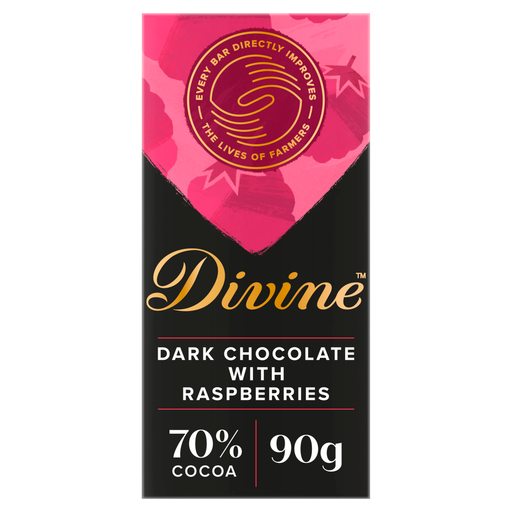
Divine 70% Dark Chocolate with Raspberries 90g
For a fruit-flavoured option with tea, the listing states at least 70% cocoa solids and 3% freeze-dried raspberry pieces. It also describes the cocoa and sugar as Fairtrade; check that wording on this raspberry variant’s current pack. The listing identifies milk as an allergen despite also using vegan-friendly wording, so do not rely on that wording for vegan or allergy suitability; check the pack for gluten and nut warnings too.
View on Joybuy
 No image available
Green & Black's 85% Dark Chocolate 90g
Consider this 85% cocoa bar if you want a more pronounced bitter cocoa profile with tea. Its listing uses mass-balance Fairtrade wording; check the claim on this specific variant’s current pack. The listing also warns that it may contain milk and nuts, including almonds and hazelnuts.
View on Joybuy
 No image available
Morrisons The Best 85% Cocoa Ecuador Dark Chocolate 100g
An 85% cocoa option for someone seeking an intense bar; the listing describes Ecuadorian cocoa with tropical-fruit and cinnamon notes. Check its Fairtrade wording on the current pack if that claim matters to your purchase. The listing says it may contain gluten, milk, nuts and peanuts.
View on Joybuy
Questions about chocolate for tea
How do the Fairtrade Mark and a Fairtrade Sourced Ingredient claim differ?
The Fairtrade Foundation says the classic Fairtrade Mark means that ingredients which can be Fairtrade-certified are certified. A Fairtrade Sourced Ingredient claim identifies a named ingredient, so check which one it covers. If the pack also mentions mass balance, read that wording rather than assuming physical segregation through processing.
Should I choose 70%, 75% or 85% dark chocolate with tea?
Choose by the flavour you want beside your usual tea: Divine describes its 70% bar as bold with subtle sweetness, while its 85% bar has a bittersweet finish; M&S offers a 75% bar between those cocoa percentages. Lindt suggests pairing 85% chocolate with Assam, but tea pairings remain a matter of taste rather than a rule for every chocolate.
Does vegan dark chocolate suit someone with a milk allergy?
Not necessarily. Divine’s 70% bar is labelled vegan but may contain milk, and Lindt says its EXCELLENCE 70% vegan-recipe bar is not suitable for people with a milk allergy. Check the current allergen statement for the exact bar before serving it.
Which allergen details should I check before buying?
Check the current pack’s ingredients and precautionary allergen warnings for the exact chocolate you intend to serve, and compare them with the retailer or manufacturer listing if needed. Food Standards Agency guidance for England, Northern Ireland and Wales says food businesses must provide allergen information; a bar’s recipe and warning details can change.


