Gym-goers carrying a small treat
If Fairtrade is your specific sourcing requirement, look for a claim on the bar rather than relying on general ethical wording. Pack size also matters when you want to know how much chocolate you are carrying.


Choose the Fairtrade claim before the cocoa percentage: the Fairtrade Foundation says its classic mark covers all ingredients that can be Fairtrade-certified, while its Fairtrade Sourced Ingredient mark identifies a particular sourced ingredient. For a gym bag, decide whether an individual bar or a portion from a larger bar suits you, then check the specific pack’s nutrition, allergens and storage instructions.
If Fairtrade is your specific sourcing requirement, look for a claim on the bar rather than relying on general ethical wording. Pack size also matters when you want to know how much chocolate you are carrying.
A 70%, 75% or 85% label tells you the stated cocoa level, not the amount you will eat. Compare flavour preferences and the nutrition panels of the particular bars you are considering.
A dark chocolate or vegan-recipe description does not settle allergy suitability. Read the current pack’s ingredients, allergen statement and any may-contain warning for the exact variant.
Start with the Fairtrade claim, then compare a portion you would carry, the nutrition information and any dietary restrictions.
| Priority | What to check | Your needs |
|---|---|---|
| Fairtrade claim | Look for the mark on the specific bar. The Fairtrade Foundation says the classic FAIRTRADE Mark covers all ingredients that can be Fairtrade-certified; the Fairtrade Sourced Ingredient mark identifies a particular sourced ingredient. A separate responsible-sourcing programme does not establish either claim. | I want to know whether the claim covers the bar’s certifiable ingredients or a named ingredient such as cocoa. |
| Pack and portion | Check the bar’s weight and whether it is individually sized. Divine Chocolate describes its 70% dark bar as 35g; the cited M&S 75% and 85% bars are 100g each. | A single 35g bar would give me a defined amount to carry. If I choose a larger bar, I can decide how much to take before leaving. |
| Cocoa and nutrition | Compare labels on the same per-100g basis, then consider the amount you will eat. Marks & Spencer lists 25.5g sugars and 582 kcal per 100g for its 75% bar, versus 15.9g sugars and 612 kcal per 100g for its 85% bar. | I prefer a particular cocoa intensity, but I do not want the percentage alone to decide my portion or nutrition comparison. |
| Allergens and storage | Read the current ingredients and allergen statement, including may-contain wording. Check storage instructions if the bar will spend time in a warm bag or vehicle. | I need the exact pack’s allergy information, and I want to avoid leaving chocolate somewhere hot. |
The Fairtrade Foundation distinguishes its classic mark from its ingredient-specific mark. A brand’s own responsible-sourcing programme makes a different claim and may not meet a Fairtrade-specific requirement.
Check the mark on the bar and, for an ingredient-specific mark, identify which ingredient it names.
Cocoa percentage does not tell you how much of a bar you will eat. The cited Divine Chocolate 70% bar is 35g, while the cited M&S 75% and 85% bars are 100g.
Compare nutrition values on the same basis and decide how much of the actual pack you intend to carry.
The cited product information includes may-contain warnings and bars described as unsuitable for people with particular allergies, including milk and nuts.
Use the current pack’s allergen statement, not its cocoa percentage or vegan-recipe wording, to assess the exact product.
The Department for Education’s school-food guidance applies to England. Derbyshire County Council describes restrictions on chocolate and confectionery in covered school-food provision; that is a different setting from an adult’s personal gym bag.
For food supplied through a school, check the rules and school policy applicable to that setting and UK nation.
Divine Chocolate’s cited 70% dark bar is an individually sized 35g example with stated Fairtrade cocoa and sugar.
Marks & Spencer describes Fairtrade cocoa sourcing for the cited 75% and 85% dark bars, both in 100g formats.
Joybuy’s listing for a Green & Black's 85% 90g bar states a Fairtrade ingredient claim.
Lindt describes its Farming Program and other responsible sourcing standards. Those statements are distinct from a Fairtrade claim on a particular bar.
Montezuma's describes its cited FitzRoy bar as a 90g organic, vegan 74% dark chocolate.
These bars offer different pack sizes and stated cocoa percentages to consider for a gym bag. Check each received pack for the Fairtrade claim you require and for current allergen information.
 No image available
The 90g bar is an option if you plan to carry a portion rather than an individually sized snack. Joybuy’s listing identifies Fairtrade cocoa, sugar and vanilla, which may be mixed with non-certified equivalents on a mass-balance basis. Check the received pack’s claim and allergens, and protect the bar from heat.
 No image available
This 70% cocoa, 90g bar suits a shopper considering a different cocoa level from the 85% variant. Decide how much of the bar to carry, and check its current Fairtrade mark, nutrition panel and allergen statement.
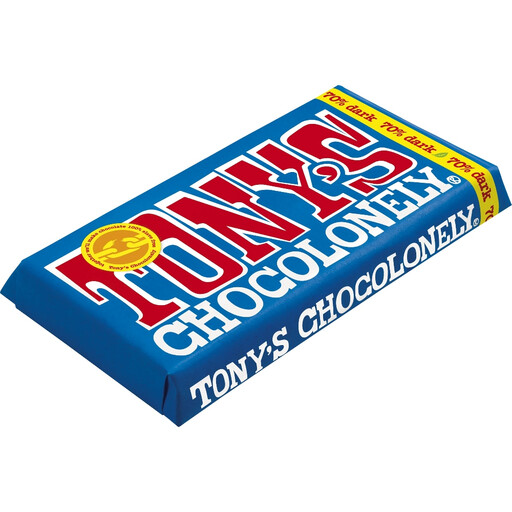 No image available
At 180g, this is a larger bar to portion before putting chocolate in a gym bag. Check the received pack for its precise Fairtrade claim, cocoa percentage, nutrition information and allergen statement.
 No image available
This 85% cocoa, 100g bar is one to consider if you prefer to divide a full-size bar yourself. Check the pack’s Fairtrade mark, allergen statement and storage instructions before choosing it for a gym bag.
 No image available
This raspberry variant is a 70% cocoa, 90g bar, not Divine’s individually sized 35g bar. Its supplied dietary wording conflicts about milk, so do not rely on a vegan-friendly description for an allergy or dietary decision: check the current pack’s ingredients and allergens before buying. Check its Fairtrade mark and portion the bar as needed.
Look for the mark on the specific pack. The Fairtrade Foundation says its classic FAIRTRADE Mark covers all ingredients that can be Fairtrade-certified, while its Fairtrade Sourced Ingredient mark identifies a particular Fairtrade-sourced ingredient. General responsible-sourcing wording alone does not establish either claim.
Not by itself: compare the amount you will eat and the bars’ nutrition panels on the same basis. Marks & Spencer lists 15.9g sugars and 612 kcal per 100g for its 85% bar, compared with 25.5g sugars and 582 kcal per 100g for its 75% bar. Both cited bars are 100g, so cocoa percentage does not decide your portion.
No. Lindt says its cited 85% bar is made to a vegan recipe but is not suitable for people with a milk allergy; the cited M&S bars also carry milk, nut and peanut allergy restrictions. Read the current pack’s allergen and may-contain statements for the exact bar.
Follow the particular bar’s storage instructions and avoid leaving it somewhere hot. Joybuy’s Green & Black's 85% listing says to protect the chocolate from heat, so a bag left in direct sun or a hot car would not meet that instruction.
Check the applicable school-food rules rather than treating a personal gym-bag snack as the same situation. The Department for Education’s school-food guidance applies to England, and Derbyshire County Council describes restrictions on chocolate and confectionery in covered school-food provision. For a particular school, check its policy and the requirements applicable in its UK nation.